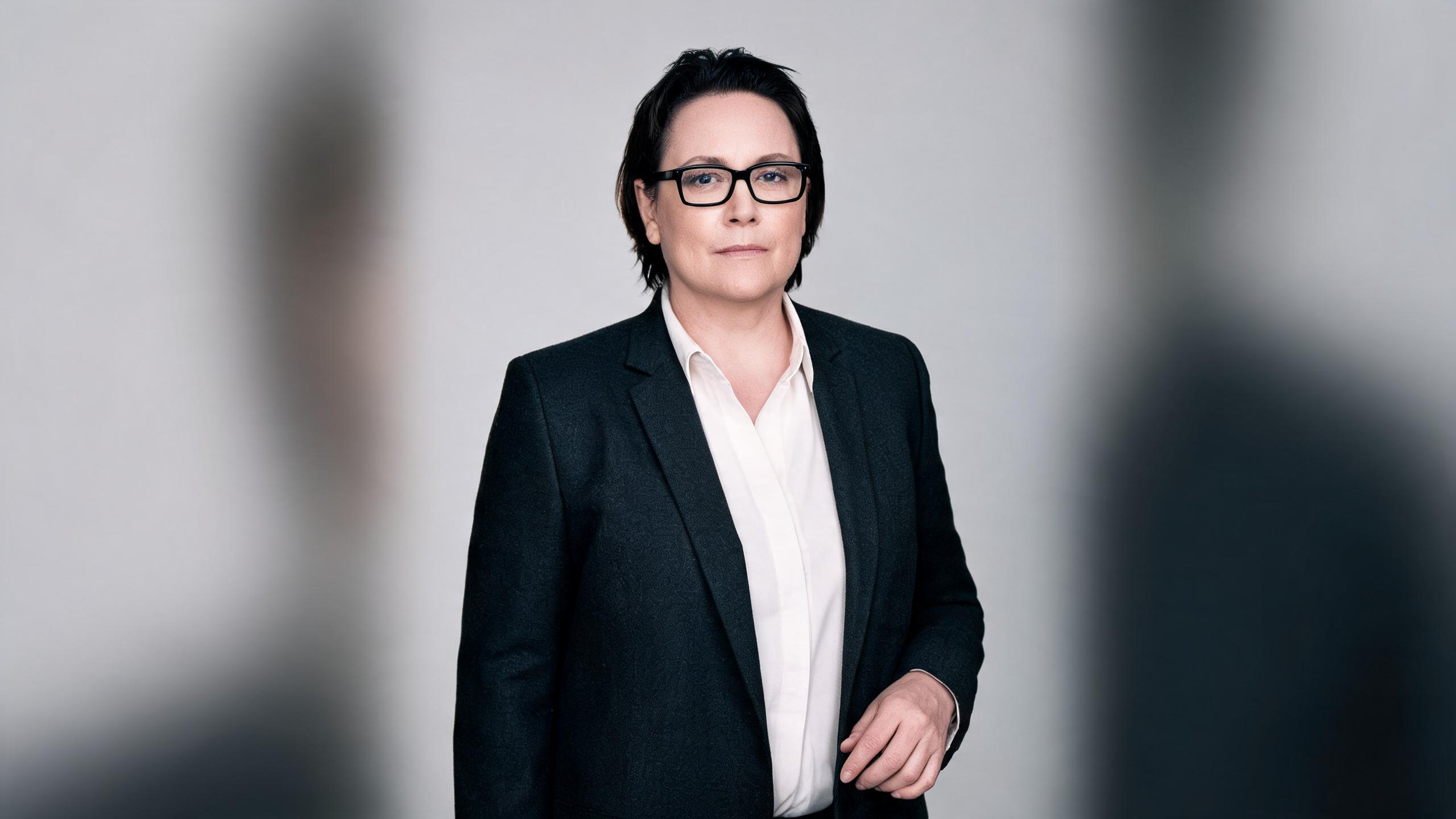
Lilly Wachowski, the filmmaker known for co-creating The Matrix films, has shared a blunt assessment of the current studio system. She says Hollywood will not finance or produce an action movie that features an all-trans cast, a statement that highlights ongoing barriers facing trans performers and creators seeking mainstream studio support.
Wachowski made the comments during a recent interview about her next project, an ambitious action film she envisions as a vehicle for trans actors in roles typically reserved for cisgender performers. She described encountering resistance from decision makers who view an all-trans ensemble as a commercial risk. Wachowski frames the project as both a creative challenge and a statement about opportunity in an industry that remains cautious about altering familiar casting formulas.
The director has a long career that includes work on major franchise films and earlier independent projects. Her new proposal seeks to bring trans talent to the center of a genre that often demands physical rigor, stunt work, and high production values. Wachowski argues that action cinema can showcase range and capability while expanding representation. She also said that the refusal to back the project is not only a commercial objection but a reflection of industry assumptions about audience comfort and marketability.
Studio reluctance to support unconventional casting is not new. Executives frequently evaluate projects based on projected box office and international sales potential. For a film built around a group of trans actors, financiers raise questions about overseas distribution, marketing, and how to sell the concept to wide audiences. These concerns translate into practical obstacles: difficulty securing production budgets, reluctance among international distributors, and limited access to mainstream advertising resources.
Wachowski's description of these roadblocks underscores a tension between creative ambition and business imperatives. It also points to the limited pathways that remain for filmmakers who deviate from industry norms. While independent producers and streaming platforms have opened doors for a broader range of stories, large-scale action films still tend to require the deep-pocketed involvement of major studios or global distributors.
In response to those challenges, Wachowski said she is exploring alternative routes to make the project happen. Options include independent financing, partnerships with smaller studios, co-productions, and festival-driven release strategies. These paths often demand compromises in budget or scope, but they provide a route for filmmakers who prioritize representation and creative control over the immediate backing of traditional studio pipelines.
The conversation about an all-trans cast in a mainstream action film also intersects with wider shifts in casting practices. In recent years, more trans actors have received recognition in film and television roles, both in supporting parts and as leads. Award recognition, festival attention, and some successful independent releases have demonstrated audience appetite for diverse storytelling. Still, scaling those successes to blockbuster-level production remains a hurdle.
Industry observers note that a successful model for mainstream inclusion requires attention to several moving parts. Financing must be secured with investors who see long-term value. Distributors need confidence in international sales and ancillary revenue streams. Marketing teams must craft campaigns that translate the film's appeal beyond niche audiences. Finally, production must ensure that stunt coordination, fight choreography, and other action elements accommodate the safety and performance needs of the cast.
Wachowski's remarks have prompted conversation among filmmakers, advocates, and industry professionals about the potential for new pathways. Supporters point to independent festivals, boutique distribution, and direct-to-consumer platforms as mechanisms to prove commercial viability. Others emphasize that long-term change may require more sustained shifts in how studios assess risk and invest in talent from underrepresented communities.
Whatever the outcome, the debate around this proposed action film highlights the larger question of how the film industry adapts to changing norms. Wachowski's project, whether realized through studio backing or independent means, is likely to remain a touchstone for conversations about inclusion in genre filmmaking. Its progress will be watched for signs that new strategies can move projects from concept to production and into mainstream viewership.
In the short term, Wachowski continues to develop the concept while exploring nontraditional financing and production models. The filmmaker's candid account of studio resistance serves as a reminder that creative ambition and structural inertia often collide. How the industry responds could influence not only who gets to star in major genre films but also how stories are conceived and supported going forward.
Roundup opinion
Wachowski's experience brings focus to a practical problem in contemporary film production. It is not a reflection on the talent of trans actors or the artistic merits of the idea. Rather it reflects how commercial calculations, distribution considerations, and entrenched practices shape what projects receive the resources needed to reach broader audiences. If this action film moves forward outside the traditional studio system, it will test new models for financing and distribution and may chart a path for future work that combines large-scale spectacle with inclusive casting.





0 Comments