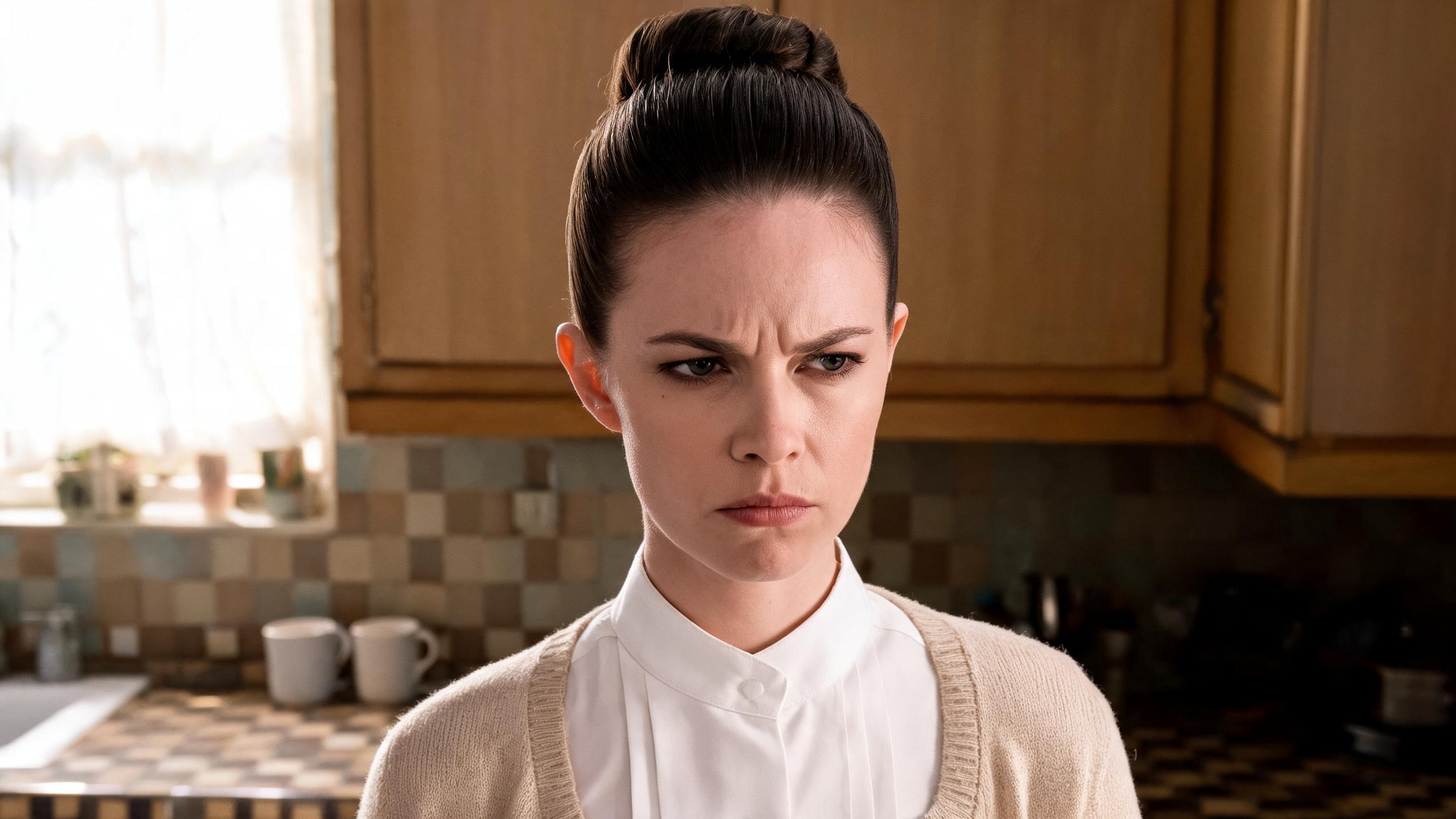
Bel Powley, who was recently announced for the role of Petunia Dursley in HBO’s planned television adaptation of the Harry Potter novels, has publicly distanced herself from author J.K. Rowling’s statements on transgender people. In a conversation with reporters, Powley said she does not share those views and spoke in support of transgender rights, an intervention that adds to ongoing public discussion as the high-profile series moves toward production.
Powley, a British actor known for her work on screen and stage, will portray Petunia Dursley, the sister of Harry Potter’s late mother and a figure often written as intolerant in the original novels. The casting brought renewed attention to the character and to the wider adaptation, already under scrutiny as fans and observers consider how beloved source material will be turned into a long-form television project.
In the interview, Powley described her own perspective on inclusion and identity and said she wanted to be clear about where she stands. She emphasized solidarity with transgender people and signaled that those beliefs inform how she will approach playing Petunia. Powley framed her position as separate from the author’s, indicating that actors and other artists can hold differing views from the creators whose work they adapt.
The move follows a pattern in which contributors to major adaptations find themselves addressing social questions connected to a work’s creator. J.K. Rowling’s public comments about gender identity in recent years have become a focal point for debate, prompting responses from some actors and industry figures who have taken different positions. Powley’s statement is the latest example of an actor using a public platform to clarify personal values while participating in a project tied to a controversial creator.
Reactions to Powley’s remarks were visible across social platforms. Supporters praised the actor for speaking in defense of transgender people and applauded the commitment to inclusive values inside the cast of a major franchise adaptation. Others were more measured, noting the complexities of separating an author’s public stance from a work that remains culturally significant for many readers. Comment threads reflected the usual mix of appreciation, disagreement, and calls for the production to address inclusion more broadly behind the scenes.
Industry watchers say statements from actors can influence public relations around a production but do not determine the creative path. HBO’s adaptation of the Harry Potter books, announced as a multi-season undertaking, has drawn attention for its scale and the choices it will make in casting, tone, and narrative emphasis. How the series will handle sensitive themes and whether it will address contemporary social conversations directly remain open questions.
Powley’s intent, as she communicated it, is to play Petunia with care, understanding the character’s place in the story while also bringing a clear moral compass to her own public stance. Actors who take part in adaptations sometimes reinterpret characters for new audiences, and Powley’s remarks suggest she is preparing to approach the role with nuance rather than mere replication.
The conversation highlights broader challenges for adaptations built around works that remain deeply influential but are also the subject of modern cultural debates. Productions face choices on whether to foreground an author’s voice, emphasize fidelity to original texts, or adapt characters and themes in ways that speak to contemporary sensibilities. Cast members speaking publicly about their beliefs can become part of that broader conversation and shape expectations for how a series may reflect or reinterpret its source material.
For viewers and fans, the situation underscores an ongoing negotiation between attachment to a cultural text and responses to its author’s public persona. Powley herself acknowledged that playing Petunia will require navigating the character’s less sympathetic qualities while also engaging responsibly with real-world issues.
The announcement and Powley’s statement do not change the fact that a significant production is underway. The series will likely prompt further public discussion as casting continues and as creative teams reveal more about their approach. In the meantime, Powley’s clear rejection of the author’s views and her expressed support for transgender people are likely to remain part of the public record around the project.
Powley’s comments are a reminder that large-scale adaptations bring together many voices. Actors, writers, producers, and audiences now converge on questions about representation and responsibility in storytelling. How the HBO series will resolve those questions will unfold over time, but for now the casting and the conversation it created have already set the tone for public expectations.



0 Comments