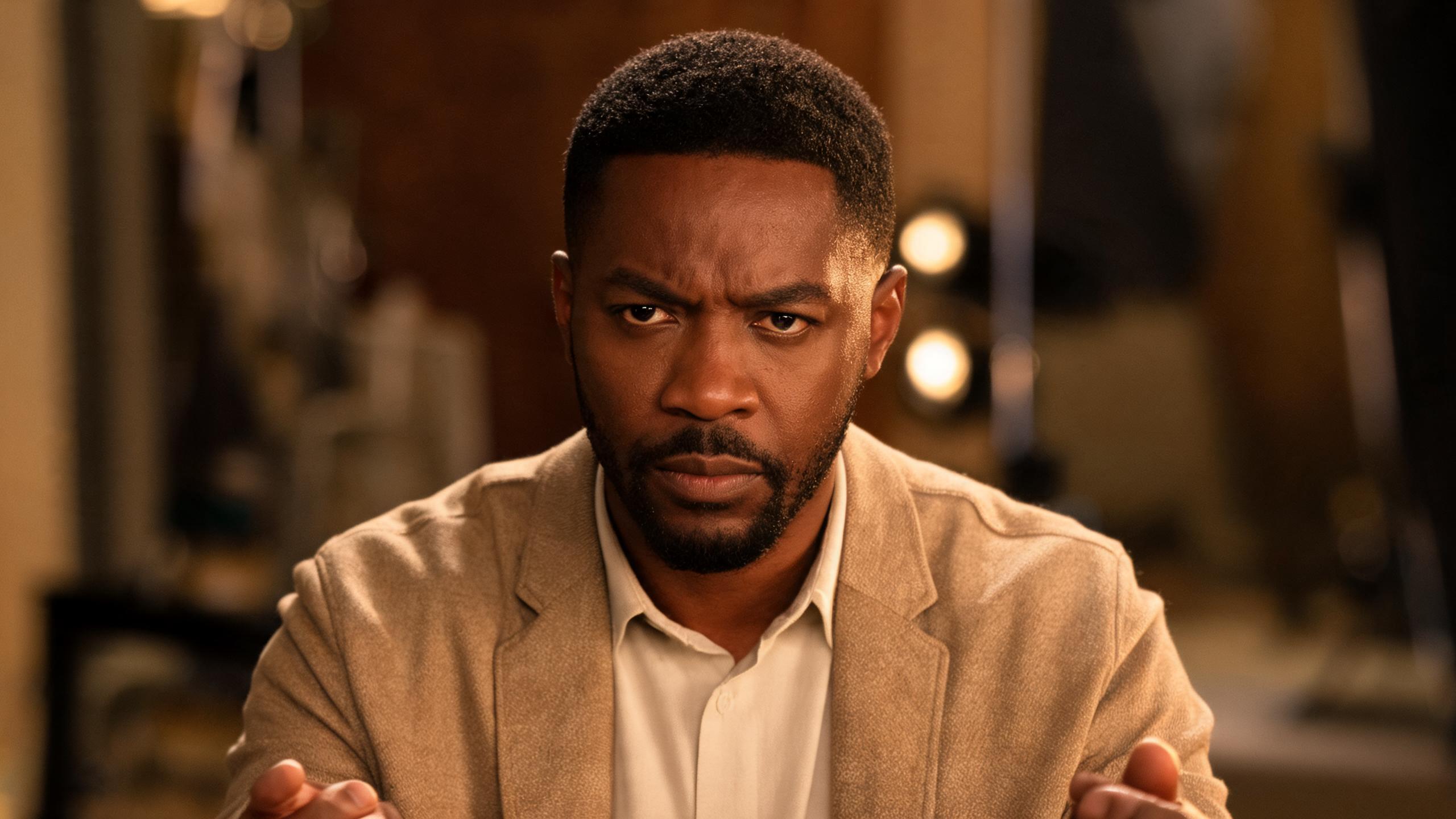
Uzor Arukwe’s performance in Colors of Fire has become a focal point for discussions about craft and character in contemporary Nigerian storytelling. The role places the actor at the center of a narrative that explores intensity, restraint, and transformation. This article breaks down his approach to the role, the production elements that frame his work, and the broader response from audiences and critics.
Arukwe’s portrayal is anchored in a careful balance between emotional restraint and sudden release. Rather than relying on overt gestures or loud proclamations, he builds tension through quiet moments. Close-ups emphasize a layered use of facial expressions and micro-movements. These choices allow scenes to breathe and give viewers space to connect with the character’s interior life. The performance is deliberate, often trading theatricality for intimacy to create moments that feel lived in rather than staged.
The physicality of the role is also notable. Arukwe uses posture and minimalistic movement to signal changes in his character’s state of mind. In scenes where conflict simmers beneath the surface, small shifts in weight, the placement of hands, or a single prolonged look become narrative signposts. This restraint is supported by a costume and makeup palette that keeps focus on the actor’s face, allowing subtleties to register. Lighting choices and camera framing further center these micro-gestures, turning them into the primary drivers of emotional narrative.
Vocal work plays a central role in the performance. Arukwe varies pitch, pace, and timbre to convey unspoken history and changing intentions. At times the delivery is deliberate and measured, at other moments it tightens into a clipped cadence that signals stress or decision. Silence is used as a tool. Pauses between lines are weighted, giving secondary characters room to react and allowing the audience to assemble context from what is not said. Through this vocal control he shapes the rhythm of scenes and maintains tension even during ordinary exchanges.
The director and creative team create a visual and acoustic environment that amplifies Arukwe’s choices. Cinematography often frames him in medium close-up, which underscores the emphasis on expression and subtle movement. Sound design supports mood without undercutting the performance. Ambient textures and a restrained score create an aural backdrop that lets Arukwe’s vocal subtleties cut through. Sets and props are economical, focusing attention on relationships and the moral decisions at the heart of the story.
Supporting performances and ensemble interactions provide contrast and context. Arukwe shares scenes that require careful listening and reactive acting. These interactions reveal his ability to adapt: he can ground a scene without overpowering it, and he can also step forward when the narrative requires a catalytic presence. This give and take makes many scenes feel like real exchanges rather than constructed set pieces. It also helps maintain dramatic tension across the film where shifting loyalties and unspoken histories propel the plot.
Themes in Colors of Fire are carried by the performance without being overly prescriptive. The story traces consequences and choices under pressure. Arukwe’s character is at the center of moral complexity, and the actor avoids caricature. Instead he opts for specificity that suggests a full life before the events onscreen. This creates empathy without absolution. The audience is invited to witness rather than simply judge. That approach widens the film’s appeal beyond a single demographic and opens it to broader conversations about character motivation and accountability.
Audience response has been varied and engaged. Viewers have highlighted Arukwe’s ability to transform subtlety into emotional weight. Critics have pointed to his technique as evidence of a maturing approach to lead roles in the regional industry. Social conversations have focused on particular scenes that showcase his control of silence and the way he manages complex exchanges. These reactions underscore the film’s capacity to generate discussion about performance choices and storytelling craft.
In sum, Uzor Arukwe’s work in Colors of Fire is a study in controlled intensity. The performance foregrounds restraint and finds power in small, decisive moments. It aligns with contemporary trends that favor psychological realism and nuanced character studies. For Arukwe the role reinforces a trajectory toward parts that demand emotional precision and sustained focus.
Roundup opinion
Colors of Fire positions Uzor Arukwe as an actor willing to accept disciplined challenges. The role does not lean on spectacle. Instead it rewards patience and attention to craft. Whether viewers connect with every aspect of the story, the performance itself offers a model of how subtlety can carry dramatic weight. For audiences and industry observers, the piece is likely to be remembered as a work that emphasized internal life and technique over broad dramatics, and as a visible step in the actor’s continuing development.

0 Comments