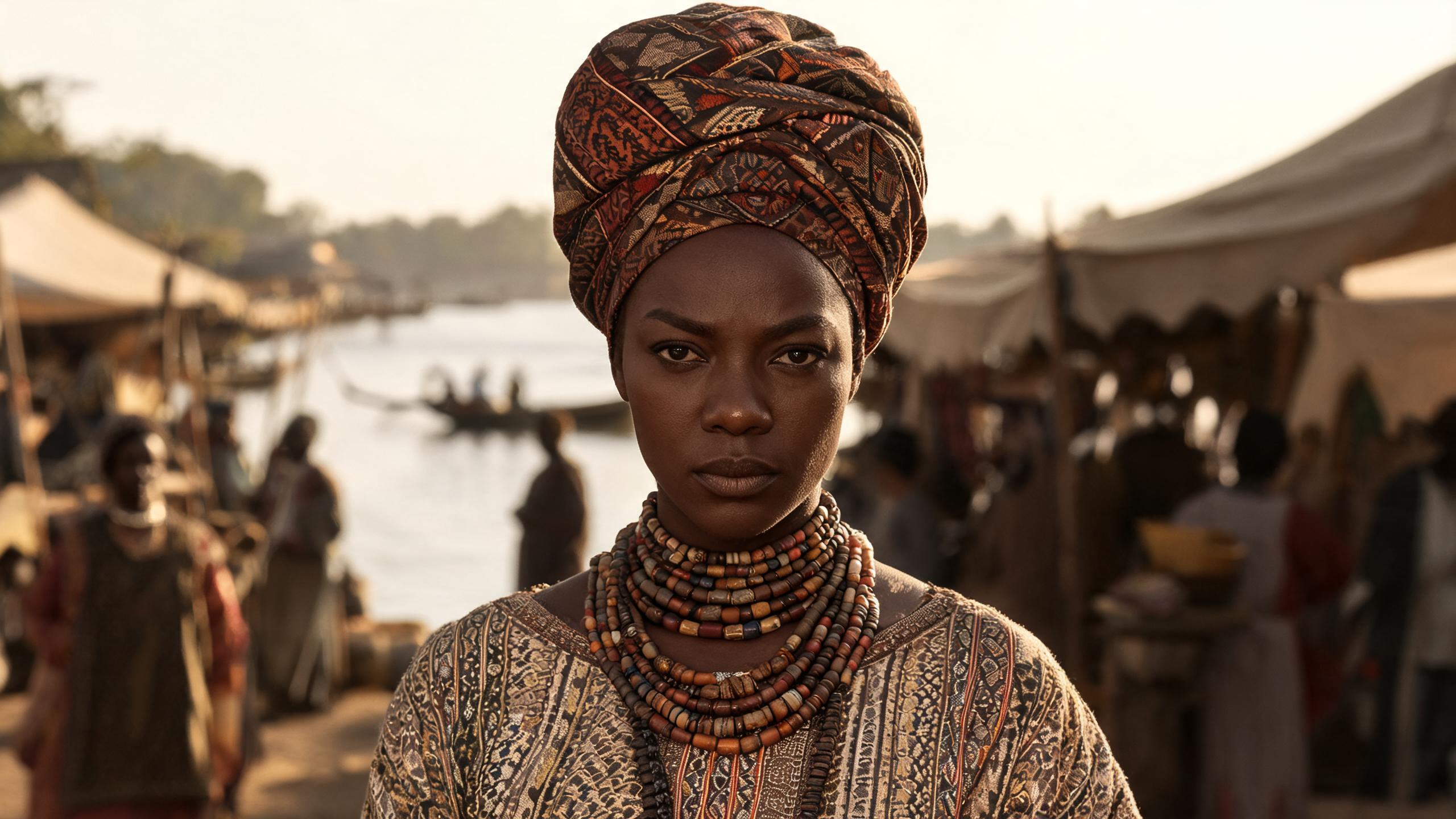
Efunroye: The Unicorn arrives with the kind of ambition that suggests a modern epic. The film sets out to dramatize the life of Efunroye Tinubu, a 19th century businesswoman and power broker in what is now southwestern Nigeria, and it asks viewers to follow a complex story of commerce, influence and survival. The promise of a sweeping historical portrait is appealing, but from the first scenes it becomes clear that the production’s resources cannot fully deliver the scale the filmmakers have in mind.
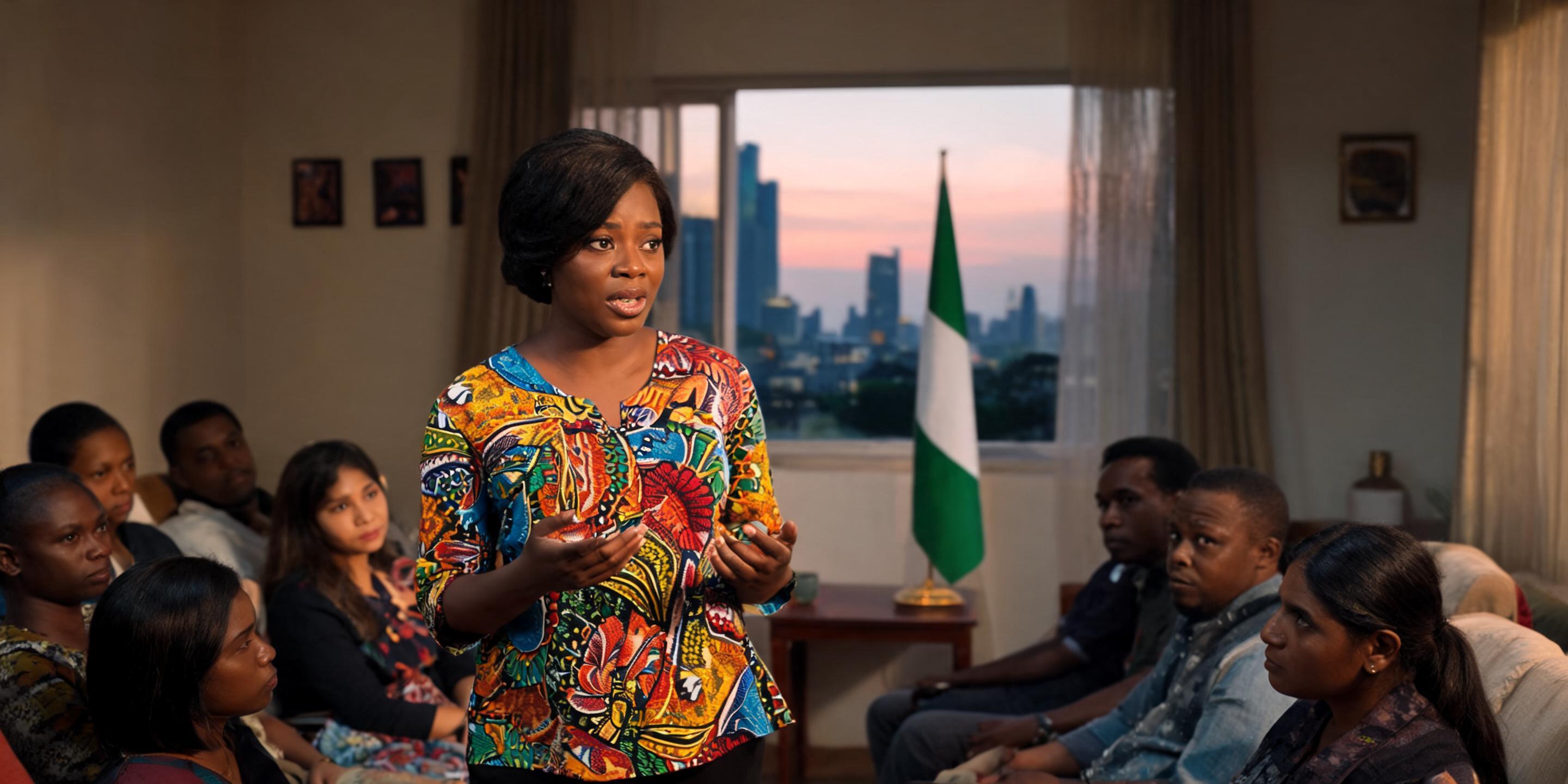
The film centers on Efunroye Tinubu as a figure of grit and calculation. The lead performance is committed and often magnetic, giving life to a woman who negotiates trade deals and navigates colonial pressures. The portrayal communicates emotional stakes and ambition even when surrounding elements falter. Still, the limitations of budget and design are most obvious in the film’s environments. Period sets feel cramped and at times assembled rather than rediscovered, and the staging rarely conveys the wider social and economic worlds that made Tinubu historically consequential.
Costume and hair design show thoughtful attention to visual identity, and brief moments of careful dressing help ground key scenes. However, the production struggles to sustain that tactile authenticity across the entire runtime. Interiors and exterior locations sometimes lack depth. Background action and crowd work, which are essential in a story about trade networks and public presence, are kept minimal. This creates a persistent sense that the narrative is happening in a narrow frame when it should be unfolding across a region and a public sphere.
Narrative choices show the filmmakers’ desire to capture both public maneuvering and private cost. Flashbacks and fragmented sequences attempt to chart Efunroye’s rise and the personal consequences of power. These devices occasionally produce strong emotional beats, but the editing does not always provide a clear thread. Scenes meant to build momentum can instead feel episodic. That results in a film that hints at larger themes rather than fully developing them. Viewers familiar with the historical figure will find several sharp, well-crafted moments, though they may wish those moments were connected with greater narrative momentum.
Sound design and score are another mixed area. Musical cues work when they underline mood, but at times the mix flattens dialogue or understates atmosphere. The soundscape could have reinforced the film’s ambitions, making markets hum and ships creak in a way that would transport viewers. The choice to keep much of the action closely mic’d and contained leaves some sequences feeling static where they should feel expansive.
Performances beyond the lead are variable. A few supporting actors provide memorable counterpoints, giving the film political texture and moral friction. Other roles are underwritten and underused, which makes it harder to grasp the social networks that propelled and opposed Tinubu in the story. This imbalance is not the fault of performers alone. The screenplay often hints at motive and consequence without allowing scenes room to breathe. The result is a film that will be discussed for its portrait of a powerful woman, but not always for the ensemble tapestry one expects in a fully realized period piece.
The ambition behind Efunroye: The Unicorn is commendable. Attempting a biopic that centers a businesswoman and power broker from the 19th century is uncommon and overdue. The production’s limitations are not merely technical flaws but constraints that alter the storytelling itself. A larger budget and more expansive production design would have allowed the film to articulate scale, social infrastructure and the wider consequences of the protagonist’s choices. As it stands, the film offers potent glimpses and strong central work, but it does not sustain the epic air it seeks.
For viewers interested in Nigerian history and in character-driven dramas, Efunroye: The Unicorn is worth seeing for the lead performance and for the moments where the film locks onto its historical stakes. Those who come expecting a sweeping historical epic may find the experience uneven. The film raises the right questions about power, trade, gender and historical memory. It is a necessary attempt and a reminder that stories of influential women deserve larger platforms. The hope is that future projects with stronger financing and broader production support will take the same curiosity and aim it toward fuller cinematic realization.
In the end the film feels like a test case. It is a work of intent with sparks of authenticity and craft. It also serves as a practical argument for investment in ambitious historical filmmaking. Efunroye: The Unicorn deserves credit for choosing a difficult subject and for anchoring the film in a committed lead performance. It falls short of becoming the definitive cinematic portrait it aspires to be, but it opens the door for richer, better resourced storytelling about figures who shaped West African history.






0 Comments