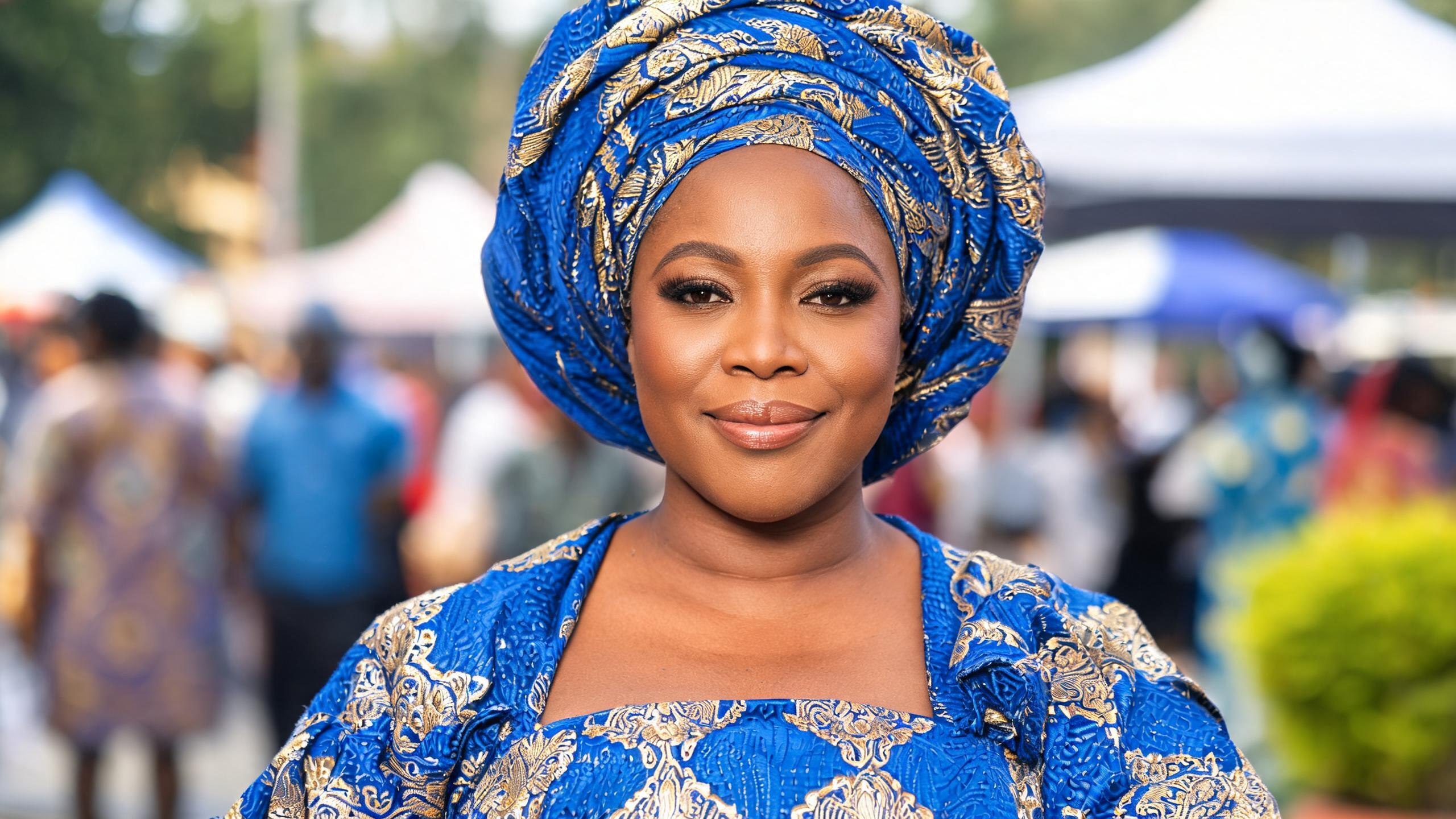
Veteran Nollywood actress Ronke Oshodi-Oke has said she supports politicians for financial reasons, framing the practice as part of the economic realities many entertainers face. In a recent interview she described backing political figures as a way to secure funds that help sustain her career and personal life, prompting widespread discussion across social media and entertainment circles.
Oshodi-Oke, known for her roles in Yoruba cinema and her long-standing presence in the Nigerian film industry, said the choice to associate with politicians is often pragmatic. She explained that the entertainment sector in Nigeria can be unpredictable and that financial backing from political actors can provide resources for film production, publicity and everyday expenses. Her comments highlight an ongoing conversation about how artists navigate funding and visibility in a market with limited formal support structures.
The actress did not frame her support as a wholesale endorsement of any political platform. Instead she presented it as a transactional relationship in many cases, where financial assistance and opportunities are exchanged for public support or appearances. This distinction has been central to how observers have reacted. Those who sympathize with her point of view point to the informal economy that sustains much of the creative sector. They argue that artists may feel compelled to follow paths that secure work and keep projects moving forward.
At the same time, some fans and commentators expressed concern. Critics say that public support for political figures, even if motivated by money rather than ideology, can blur lines between cultural influence and political power. They worry that celebrity endorsements may be used to sway public opinion without a clear examination of the policies or records of the politicians involved. The exchange between visibility and financial reward raises questions about transparency and accountability for public figures who command large audiences.
Social media responses were mixed. Some users praised Oshodi-Oke for being candid about the pressures faced by entertainers. They applauded her honesty and urged industry stakeholders to create better funding mechanisms for artists. Others called for greater caution, saying cultural icons must consider how their public alignments affect fans and civic discourse. A number of industry colleagues offered public support for the idea that making a living as an artist often requires creative approaches to income generation.
The practice of celebrities aligning with political figures is not new, both within Nigeria and beyond. Historically, entertainers have lent their voices, time or visibility to political campaigns and public initiatives in exchange for appointments, patronage or project funding. For some artists, these relationships open doors to resources and platforms that would otherwise be inaccessible. For others, the association can be reputationally risky if it is perceived as compromising artistic independence or public trust.
For the entertainment industry, the underlying issue that Oshodi-Oke raised points to structural challenges. Film producers, actors and crew frequently struggle with limited access to consistent financing and formal investment. Grants and institutional support remain narrow in scope, which may push creatives toward alternative funding models. Some industry practitioners advocate for collective approaches such as guild-backed funds, public-private partnerships and transparent sponsorship arrangements that reduce reliance on ad hoc support from political patrons.
Observers note that the conversation also intersects with broader debates about celebrity influence. When public figures speak openly about why they back politicians, audiences are given insight into the motivations behind such endorsements. That transparency may help the public assess statements from celebrities in context. It may also prompt calls for clearer disclosure when financial benefit is involved, so audiences can distinguish between paid support and genuine ideological alignment.
Oshodi-Oke framed her position in personal terms, citing the need to provide for herself and continue producing work. Her comments have become a focal point for debate around how celebrities manage careers in an environment where financial stability is not guaranteed. While some view her stance as pragmatic, others see it as symptomatic of broader funding gaps in the creative sector.
In the end, the exchange prompted by Ronke Oshodi-Oke underscores the complexities that arise when culture and politics intersect. Her admission invites a broader look at how the creative industries are financed and how public personalities balance economic survival with public responsibility.
A balanced takeaway is clear. There is room for the entertainment industry to explore more transparent and sustainable funding models that allow artists to work independently of transactional political support. At the same time the public conversation sparked by Oshodi-Oke may encourage greater dialogue about disclosure, ethics and the kinds of partnerships that serve both artists and audiences without compromising trust.
0 Comments