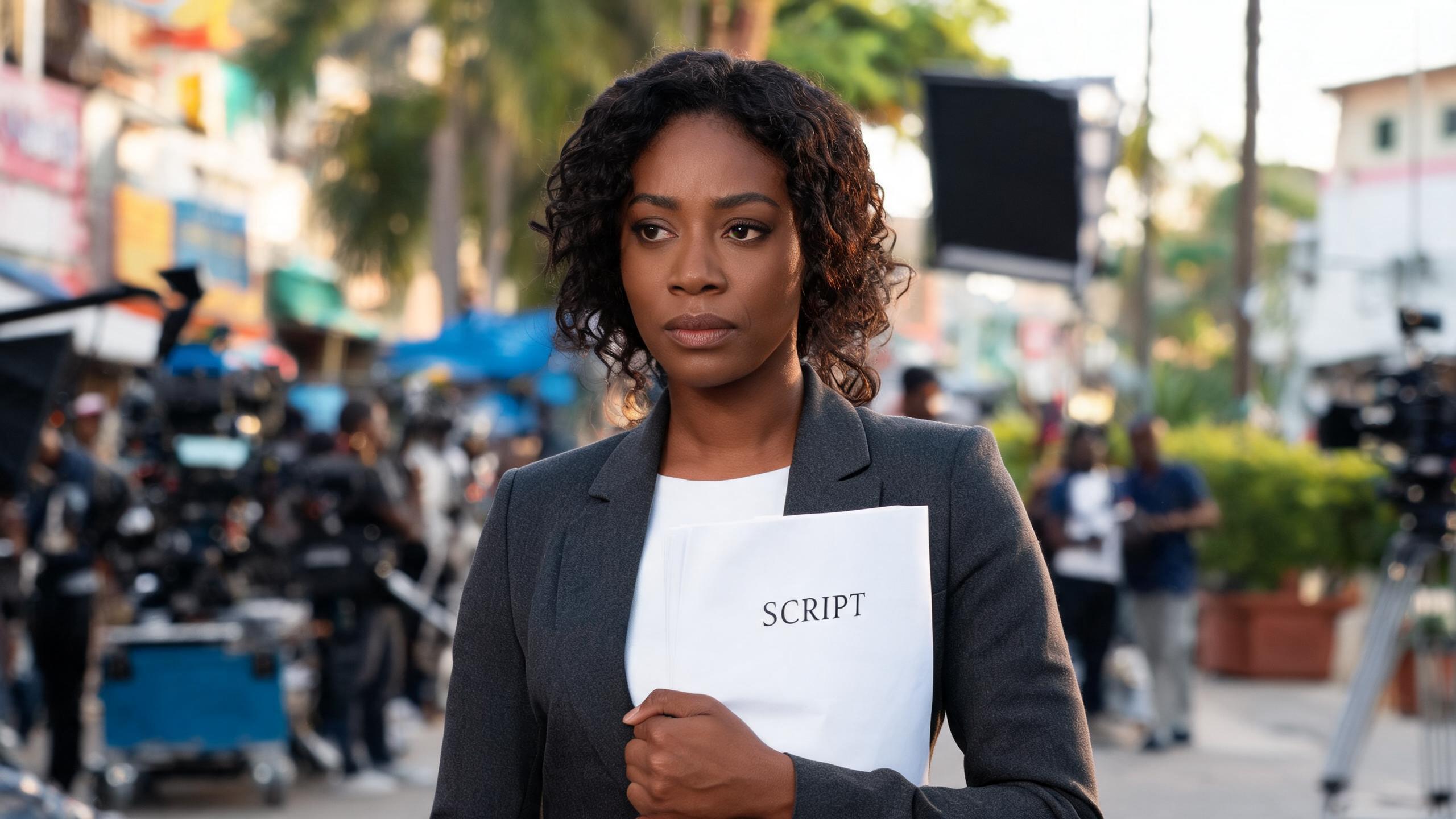
Bunmi Nelson has spoken candidly about a decision she now regrets: turning down an opportunity to work with Funke Akindele, one of the most influential figures in Nigeria's film industry. In a recent conversation the actress described the choice as a turning point that taught her about timing, career priorities, and the value of strategic partnerships.
Nelson and Akindele occupy different places in a shared industry. Funke Akindele is widely known as an actor-producer whose projects often combine commercial appeal with strong production values. Bunmi Nelson has built a steady career through a range of roles that showcase her versatility. The reported opportunity would have placed Nelson in close collaboration with Akindele's team, offering exposure to larger audiences and an intense production environment.
According to Nelson, several practical realities factored into her decision at the time. She cited conflicting commitments and concerns about personal readiness. Turning down the offer was not a moment of defiance but a choice made under pressure and with limited information. In retrospect she says the decision cost her valuable experience and a chance to expand her profile. Nelson framed the episode as a lesson in career risk management rather than a personal criticism of anyone involved.
Industry insiders say projects led by Akindele tend to stretch cast members, pushing them into new creative territory. Working with an established producer can mean faster learning curves, larger crews, and greater media attention. For Nelson, missing that immersive environment translated into lost mentorship and networking opportunities. She acknowledged that some doors close permanently after public decisions, while others can be reopened through demonstrated growth and professionalism.
Since declining the collaboration Nelson has pursued other roles and focused on deepening her craft. She has taken on parts that allowed her to explore different genres, and producers familiar with her work note her continued commitment to improving. The actress emphasized that career paths are rarely linear. One choice does not define an actor, but it can shift momentum. Nelson described how the experience sharpened her approach to evaluating offers and negotiating schedules.
Conversations around the episode also sparked reflection on how artists balance personal considerations with career moves. Nelson highlighted that family responsibilities and health can be as decisive as professional strategy. Casting decisions, she explained, are often about more than attraction to a script; they reflect timing, support systems, and long-term plans. Her candid account drew sympathy and understanding from peers who have faced similar moments of compromise.
Commentary from colleagues has been measured. Some industry figures praised Nelson for acknowledging the misstep publicly, saying these admissions can be instructive for younger artists. Others noted that the structures of production often leave little flexibility for performers with complex lives, and urged producers to consider more accommodating schedules when possible. No public statement from Akindele was reported in relation to Nelson's reflections, and observers stressed that professional relationships can evolve beyond a single casting choice.
As for future possibilities, Nelson left the door open. She said she would welcome collaboration if the right project, timing, and terms aligned. The reconciliation of timing and readiness may create new chances for both actresses to work together. For Nelson the episode now sits alongside other career chapters, informing how she evaluates opportunities and how she positions herself within the industry.
The story resonates beyond the individuals involved. It underscores the complex calculus actors face when weighing offers, the impact of missed opportunities, and the potential for second chances. Nelson's experience reminds performers to balance ambition with practical considerations while remaining open to learning from what did not work out.
Roundup opinion: Nelson's regret is not a confession of failure but a professional reckoning. Her account offers useful guidance for actors and industry observers about the balance between seizing high-profile opportunities and managing personal circumstances. While the moment of turning down a role with Funke Akindele stands out, it also becomes part of a larger narrative about growth, resilience, and the possibility of future collaboration. The episode leaves a clear message: in a dynamic industry, decisions matter, but they rarely close every door.

0 Comments