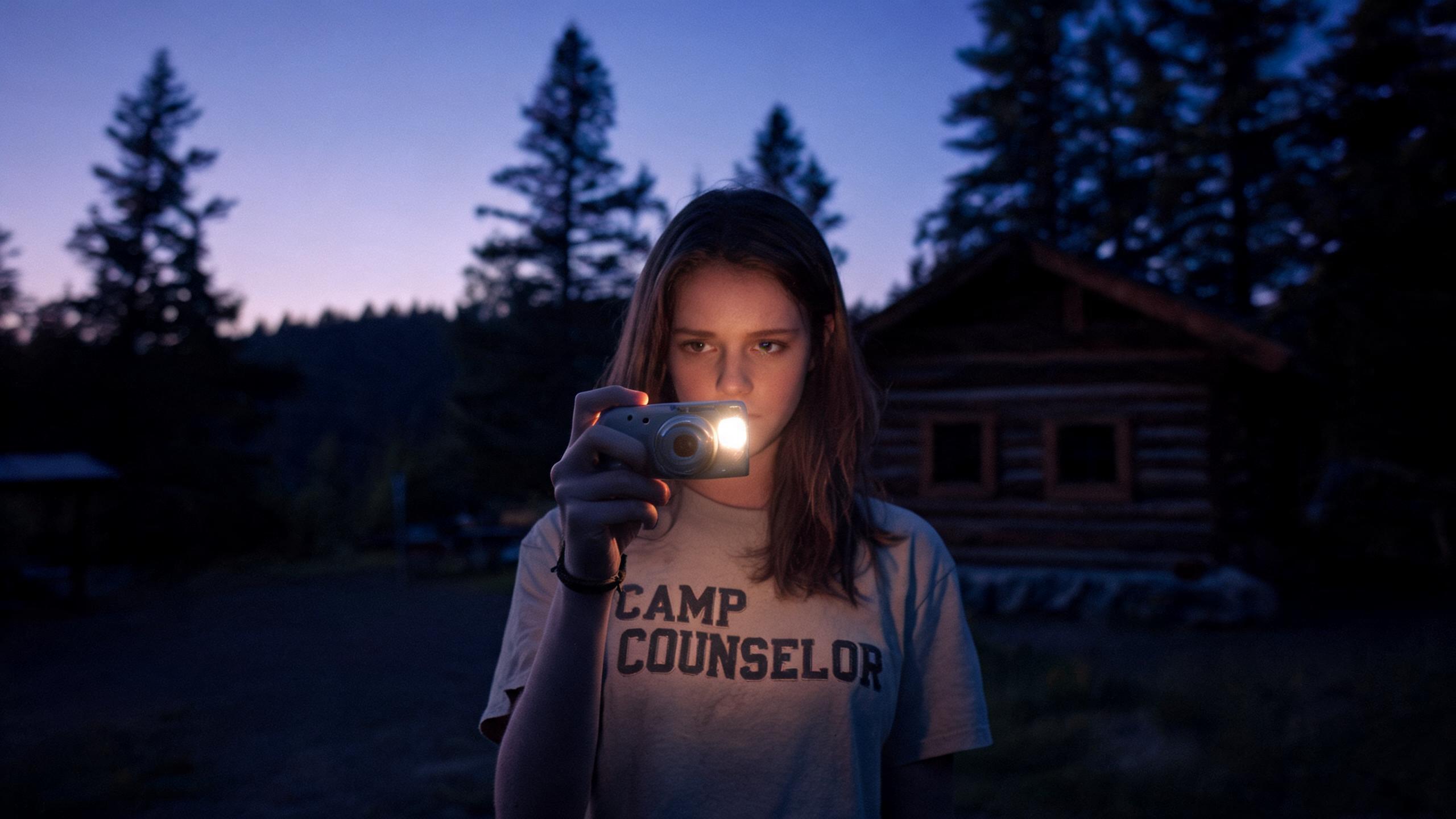
Teenage Sex and Death at Camp Miasma arrives as a film that is openly conscious of itself. Its most striking gambit is a movie within the movie that behaves less like a device and more like a separate organism. That internal film stages a concentrated exploration of the same anxieties that drive the main plot while deliberately pushing formal and ethical boundaries. The result is a layered experience that challenges viewers to think about why they watch and what they consider transgressive.
The outer story follows a group of young counselors on the cusp of fall. Key characters include Nora, a cautious counselor struggling with new responsibilities; Miles, a charismatic but controlling amateur filmmaker who insists on documenting everything; and Hannah, a veteran at the camp trying to keep peace. The inner film comes out of Miles ambition to make something shocking and authentic. He recruits his peers to act in a horror piece that mimics the rituals and romances of camp life. Within a few scenes the boundaries between performance and reality begin to blur.
The meta-movie functions on two levels. On one level it is a commentary on genre shorthand. Scenes in the inner film compress tropes of coming-of-age horror: late night dares, whispered secrets by the lake, and sudden, stylized violence. Those familiar beats are presented with exaggerated framing and artificial lighting. On another level the inner film insists on intimacy in ways that feel invasive. Camera angles are insistently close, audio captures whispered confessions, and complaints about consent are folded into the shooting process itself. This reflexivity forces audiences to watch their own responses as much as the characters on screen.
Formal contrasts are central to how the nested film works. The outer film uses natural light and longer takes to establish a sense of waiting and unease. The inner film swaps to a heightened color palette and jagged editing. When Nora performs on camera she is close framed and her gestures are amplified. The editing then lurches back into the longer lens of the surrounding story, leaving an echo of the explicit shot lingering. Sound design plays a parallel role. Miles mounted microphones pick up breath and rustling fabric with unnerving clarity while the ambient sound of the camp fades to a thin hum. That a single prop microphone can pivot a scene from comfortable to uncomfortable becomes a recurring motif.
Character decisions make the meta elements feel earned rather than gimmicky. Nora keeps asking where a line is and whether it can be moved. Miles insists he is pursuing truth and that shock is a legitimate tool. Hannah warns that some footage should stay in the can. Their arguments map onto real questions about authorship, power and responsibility on set. The film does not hand out easy answers. Instead it shows how ambition and curiosity can collide with harm, especially when the measures of success are attention and notoriety.
Audience response within the film is also part of the commentary. Some counselors are thrilled by the notoriety promised by Miles project. Others are repulsed. The inner film becomes a test: will viewers reward transgression with interest or recoil? By dramatizing that dynamic, the movie examines how cultural appetite can incentivize more extreme content. This is where the film becomes most self-critical. It does not simply revel in pushing limits. It invites viewers to consider why limits exist and what it costs when they are removed.
There are moments where the meta choices cross into discomfort by design. A scene that stages a staged confession plays out like an accusation because of how it is framed and because the camera insists on not looking away. The film depicts the consequences of that exposure, showing relationships strained and trust eroded. Those narrative consequences help the film avoid a purely exploitative posture. The repercussions provide moral weight to the provocation.
Technically the movie-within-the-movie is audacious. The cinematography, editing and production design all shift to create a distinct cinematic artifact inside the main film. Costume and makeup choices for the inner film nod to exploitation cinema yet never feel like a simple pastiche. The visual and aural separations between the two layers reinforce their thematic conflict. That layered design keeps the viewer alert to the ways representation can be manipulated.
In the final act the film brings its meta concerns into sharper focus. As footage circulates and private scenes leak, characters must reckon with what they allowed to be made. The climax does not hand out neat moral judgments. Instead it highlights the complexity of accountability when harm originates from within a creative project. It is that refusal to resolve the tension neatly that makes the movie-within-the-movie linger in the mind.
Roundup opinion
Teenage Sex and Death at Camp Miasma uses its internal film as more than a flashy trick. The nested production functions as a probe into the ethics of creation and the hunger for spectacle. By contrasting intimate mise en scene with deliberately invasive camerawork, and by giving its characters real struggle over consent and consequence, the film opens space for reflection. For viewers prepared to sit with unease, the movie offers a layered meditation on authorship and appetite. It refuses to be comfortable, and it makes the viewer responsible for paying attention to that refusal.










0 Comments