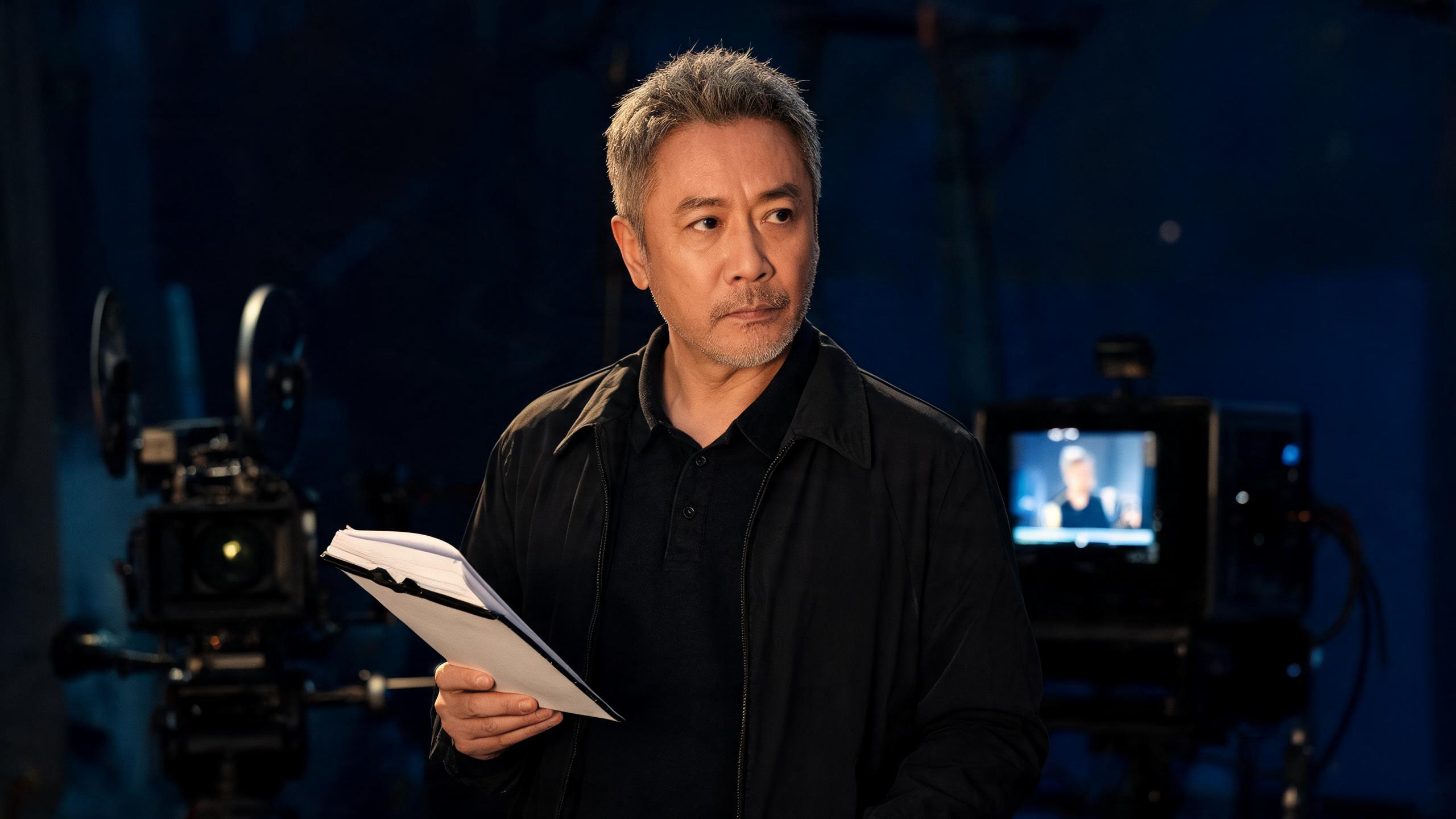
Netflix has confirmed that the stalled future of Mindhunter comes down largely to the availability and creative approach of David Fincher. The streaming service framed the long pause and ultimate decision not to greenlight a third season as a consequence of scheduling and the director's deep involvement in the show. The admission brings new clarity to a story that has left fans and industry watchers wondering whether the series will ever return.
Mindhunter launched to acclaim with its first season, which arrived in 2017. The series, created by Joe Penhall and produced in partnership with David Fincher, explored the early days of criminal profiling at the FBI. The show’s blend of rigorous period detail and slow-building psychological drama won over critics and a dedicated audience. A second season followed in 2019, again with Fincher deeply involved, directing multiple episodes and shaping the series’ visual and narrative tone.
After season two, plans for a third installment remained uncertain. Viewers noticed long gaps between updates, and cast and crew offered mixed signals about the show’s prospects. For many, the question was not whether there was story left to tell. The series had clear narrative threads and the source material offered additional avenues. The question instead became whether the series could be produced at the level it had established and on a timeline that worked for everyone involved.
Netflix pointed to two related issues when explaining why season three did not move forward. First, David Fincher’s level of involvement in Mindhunter is unusually hands-on for a television project. Fincher is known for meticulous direction and often handles multiple episodes personally. That creative model requires concentrated blocks of time, and the company concluded that scheduling those blocks proved difficult when other projects competed for his attention.
Second, the series carries significant production demands. Mindhunter’s look and pace depend on careful directing, editing and design, which translates into higher per-episode production costs and longer lead times than many contemporary series. Netflix evaluated those factors alongside the logistics of aligning Fincher’s calendar and found the combination challenging to reconcile with the company’s programming plans.
Those constraints matter for a show that relies on a specific creative engine. Joe Penhall, the series creator and lead writer, orchestrated Mindhunter’s narrative framework. Actors such as Jonathan Groff, Holt McCallany and Anna Torv brought the principal characters to life across the first two seasons. Several members of the cast and the creative team have repeatedly expressed interest in continuing the story. The cast’s willingness to return did not, however, override the practical difficulties Netflix flagged.
Fans have responded to the news with a mix of disappointment and understanding. Many praised Fincher’s work as essential to the show’s identity and argued that replacing his creative role would alter Mindhunter’s core character. Others noted that long-running series often evolve through changes in creative leadership and wondered whether the show could adapt to a different production model if the story warranted it.
In industry terms, the Mindhunter case highlights an emerging tension between auteur-driven television and the demands of serialized streaming production. Directors who build a series by imprinting a singular vision can produce distinctive, high-quality work. They can also make continuation more complex when scheduling and budgets are at odds with the director’s commitments. Streaming platforms must weigh the cultural and critical value of such projects against operational considerations and the broader slate of content they manage.
Despite Netflix’s statement, the door to future Mindhunter projects is not entirely closed. Throughout the conversation, creators, cast and the platform have left room for alternatives. Those could include a different production timetable, formats such as a limited series or film, or eventual alignment of schedules that would permit a traditional season to proceed. None of those options are imminent, and any revival would depend on multiple moving parts lining up.
For now the conclusion is straightforward. Netflix attributes the primary obstacles to David Fincher’s availability and to the show’s production model, rather than to a lack of interest in the property or the creative team’s capability. That framing places the spotlight on the practical realities of making ambitious television in an era when acclaimed filmmakers often straddle film and series work.
The Mindhunter story remains a study in how creative ambition and logistical constraints intersect. Fans who learned to appreciate the series for its patient storytelling and director-driven aesthetic may find the explanation understandable even as they express disappointment. The series’ future will likely depend on whether those practical constraints can be resolved without sacrificing the qualities that made Mindhunter distinct.




0 Comments