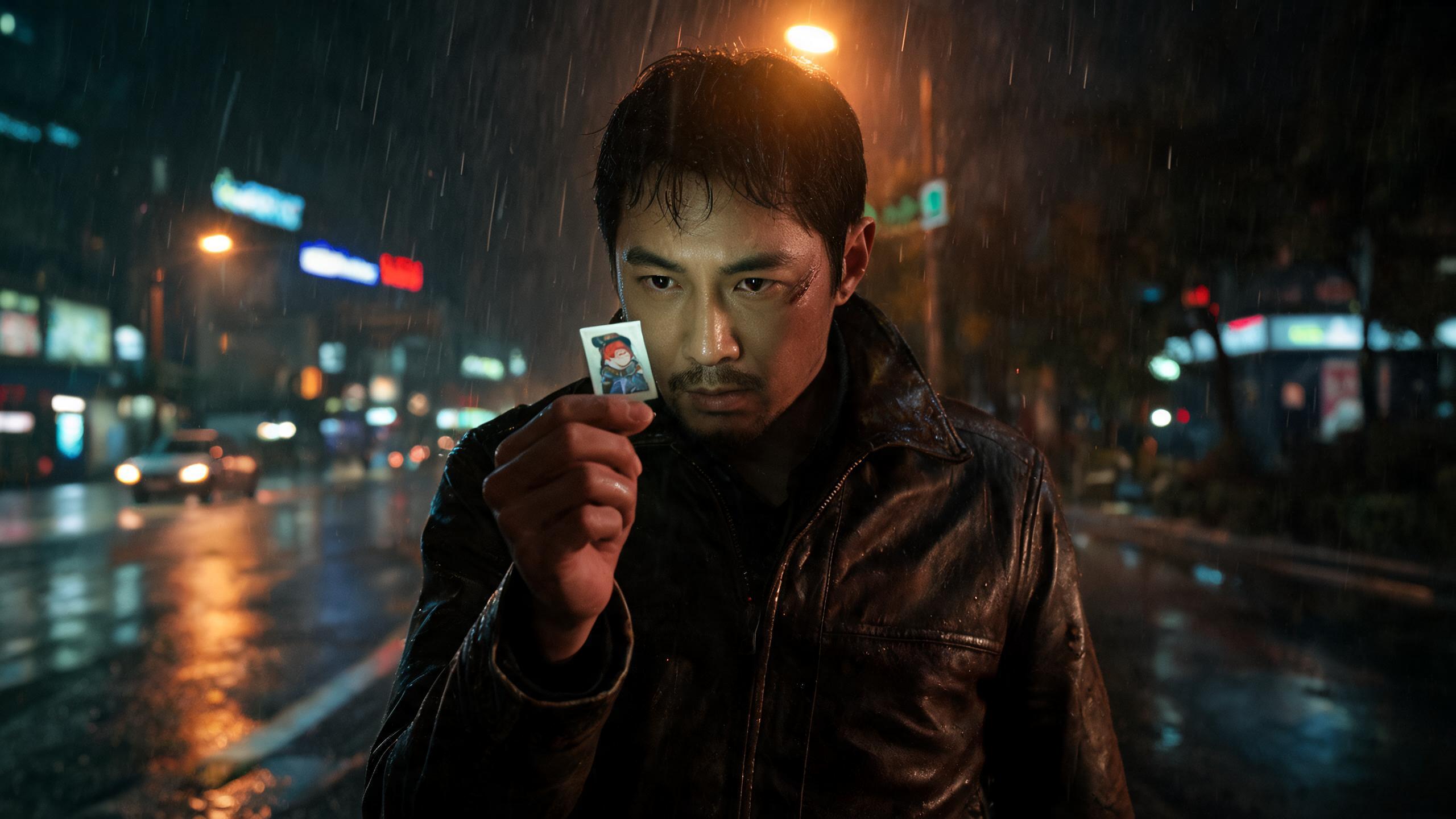
Episode five of the series marks a turning point for the protagonist known as Furious. Titled Pick a Sticker, the installment pulls Furious away from the safely reactive mode of earlier episodes and into deliberate, sometimes ruthless action. Where earlier episodes tracked injury and recovery, this chapter maps a conscious decision to cross moral lines to get results. The consequences ripple through relationships, loyalties and the plot's forward momentum.
The episode opens with a quiet domestic scene that quickly fractures. Furious, who has spent most of the season operating on instinct and gut, pauses to plan. That pause becomes a hinge. Maya, a friend and occasional co-conspirator, pushes back when Furious proposes a tactic that will involve deception and public humiliation of an enemy. The exchange reveals pressure points in their friendship. Maya represents the conscience Furious is about to leave behind while furious volatility and strategic cunning begin to take center stage.
Furious wastes little time putting the plan into motion. The eponymous sticker motif becomes a small but potent device. A sticker is harmless, at least at first glance. Placed in the right places and in the right context it becomes a signal, proof and provocation. Furious uses the sticker to mark territory and to manipulate perception. The camera lingers on the simple act of placing adhesive on glass and the cut to social media feeds where it blooms into accusation. That sequence is efficient storytelling. It turns a mundane action into a domino that topples reputations and prompts reactions from figures who prefer to move news away from public view.
Detective Reyes enters the narrative at a precise moment. She is not an adversary in the classic sense but a functionary of the consequences Furious sets in motion. Her scenes are measured. She watches footage, reads reports and assembles a legal ledger of Furiouss moves. What the episode does well is avoid caricaturing Reyes. She becomes a mirror to Furious. Where Furious escalates personal risk for immediate impact, Reyes embodies institutional patience and procedure. Their clash is not a showdown so much as a study in methods and endpoints.
Kofi, an antagonist with a history of violent influence, reacts to Furiouss gambit in ways that expose the limits of intimidation. He misreads the sticker as bravado and answers with force. The exchange forces Furious to pivot again. This is the episode's central tension. Furious would rather be ahead of the curve through cunning than be dragged backward into the kind of physical retaliation the world has already inflicted on him. The back and forth between Furious and Kofi plays out in short, sharp confrontations that leave the viewer uncertain about who is steering and who is merely surviving.
Lena, a colleague who has been working in the shadows to gather intel, becomes a casualty of Furiouss strategy. Her discomfort with the public spectacle grows into fear for her own safety. That reaction grounds the episode emotionally. It is one thing to accept risk in the abstract and another to watch it create collateral damage. Furious responds with a mixture of denial and protectiveness, gestures that reveal an internal conflict between a desire for control and a fear of losing what matters most.
Stylistically the episode is patient when it needs to be and kinetic when the plot demands it. The show leans on close framing and a muted color palette for its quieter beats. When action arrives, editing shifts into a clipped rhythm that mirrors Furiouss new tactical urgency. The soundtrack is restrained, rarely swelling into melodrama, which allows small moments a greater weight. Performance choices are precise. The actor playing Furious commits to a low simmer that occasionally flips into controlled intensity. Supporting players are given room to react rather than simply narrate, creating a textured ensemble dynamic.
Pick a Sticker also expands the series moral geography. Earlier episodes hinted at ethical compromise as a cost of survival. This episode makes those compromises explicit. Furious is not simply reacting to harm anymore. He is choosing harm as a strategic tool. That recalibration will change how allies and opponents relate to him. The narrative stakes shift from personal survival to reputational warfare and the possibility of institutional involvement that could escalate beyond anyone's control.
Roundup opinion
Pick a Sticker is a pivotal episode that tightens the series focus while widening the scope of its consequences. It is effective because it does not rush the transformation of its central character. Furiouss move toward boundary crossing feels earned even when it is morally uncomfortable. Scenes are economical and the ensemble cast supplies necessary moral counterpoints that prevent the story from becoming a one note exercise in provocation. The episode positions the season for a next phase where strategic thinking and ethical cost will collide in ways that demand attention. Fans who appreciate character led escalation will find much to dissect here. For viewers who expected action alone, the episode offers a subtler, more troubling pay off as lines are crossed and choices begin to define the shape of what follows.









0 Comments