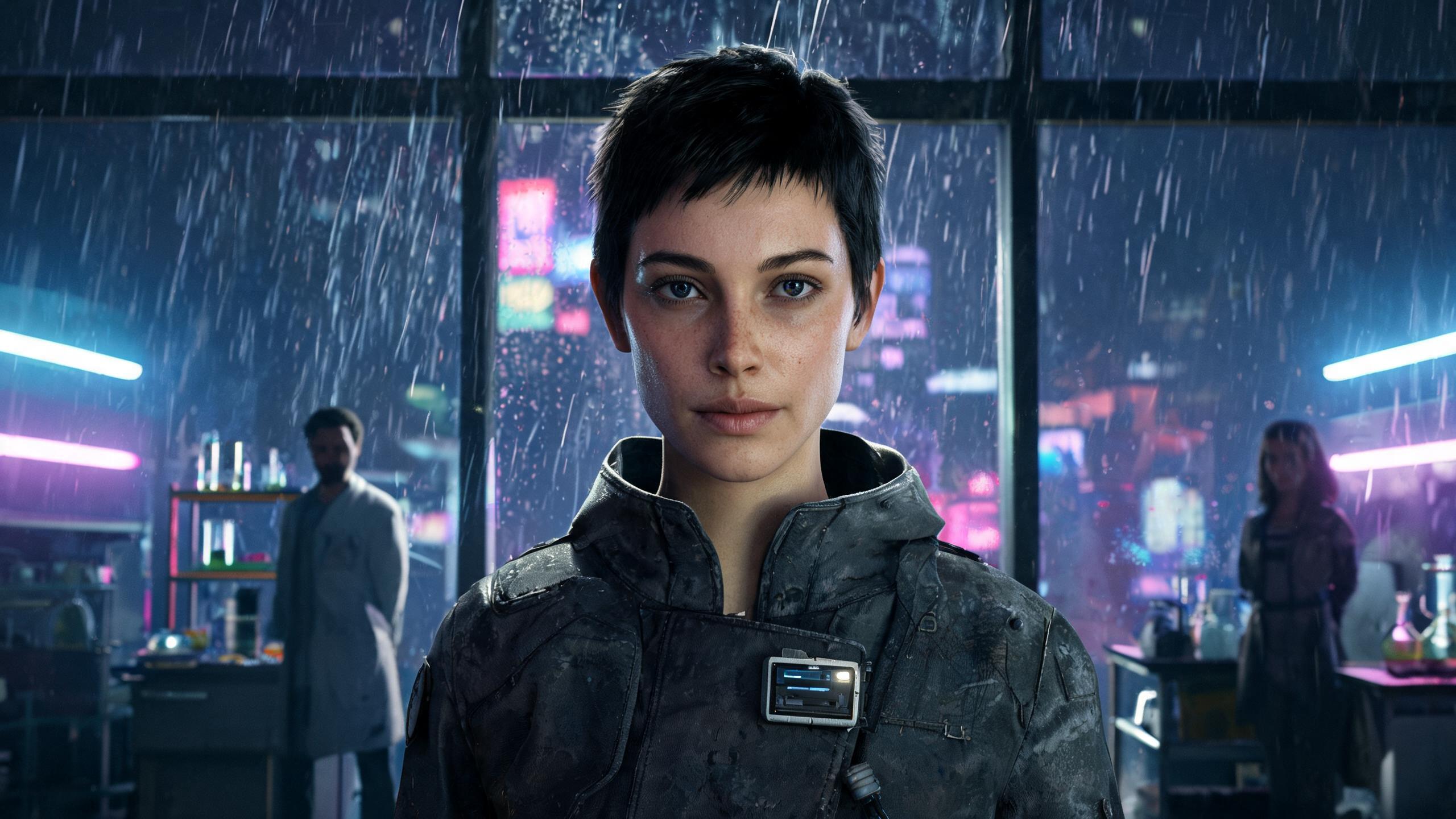
Netflix’s eight‑episode science fiction series The Wonderfools emerged as one of streaming’s defining hits of 2026 after accumulating 188 million hours of viewing across the year. The show’s blend of tight episode structure, character-first storytelling and striking visuals built a steady audience that kept conversation and viewing momentum high well beyond its initial release.
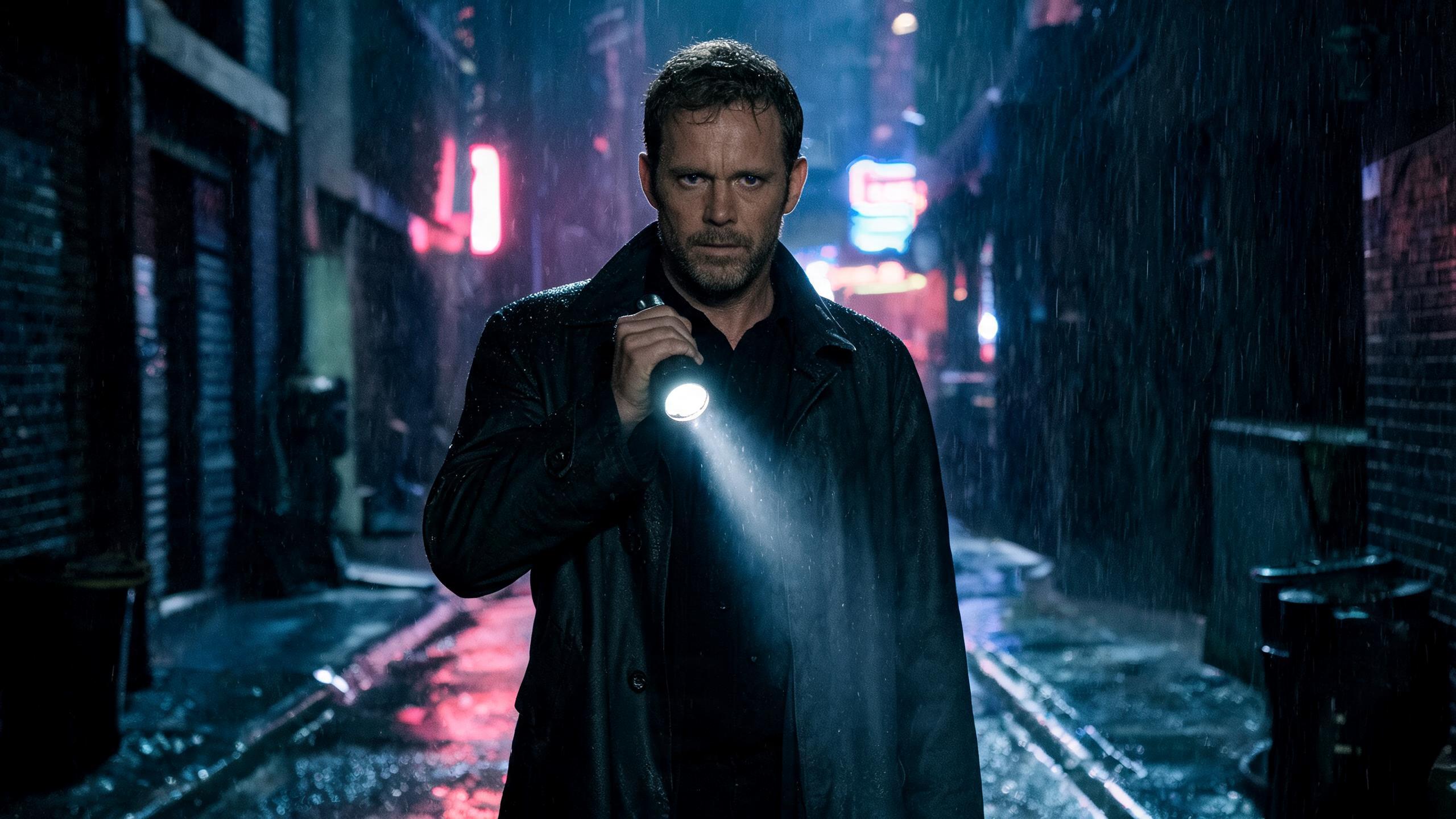
The Wonderfools centers on Lena Kade, a technician whose routine maintenance job uncovers an anomaly that fractures life inside a densely networked city. Lena’s discoveries pull together a small group of characters who shape the series arc. Dr. Omar Reyes is the scientist wrestling with the ethical cost of new discoveries. Mara Holt represents corporate interests that want to weaponize the anomaly. Juno is the hacker who links the disparate communities, and Eli Park is a young recruit whose decisions highlight everyday consequences. The series maps the tensions among these figures while gradually expanding the scale of the mystery.
Part of the show’s appeal is how it balances intimate moments with speculative ideas. Episodes are concise and build deliberately, which encourages sustained binge viewing without overwhelming viewers with exposition. Each installment deepens relationships and raises stakes, and the eight‑episode format gives the writers room to pace revelations. Visuals and production design reinforce the story’s mood. The urban environments, practical set work and restrained visual effects create a tactile texture that viewers have praised in online conversation.
Casting choices and performances are central to the series’ appeal. Lena Kade anchors the ensemble with a grounded performance that makes her discoveries feel personal rather than purely plot driven. Dr. Omar Reyes functions as both a moral tension and a narrative catalyst. Mara Holt’s presence injects an institutional urgency, while Juno and Eli Park provide counterpoints that make the group dynamic feel lived in. Together the characters give viewers multiple entry points into the central mystery, widening the series’ reach across audience segments.
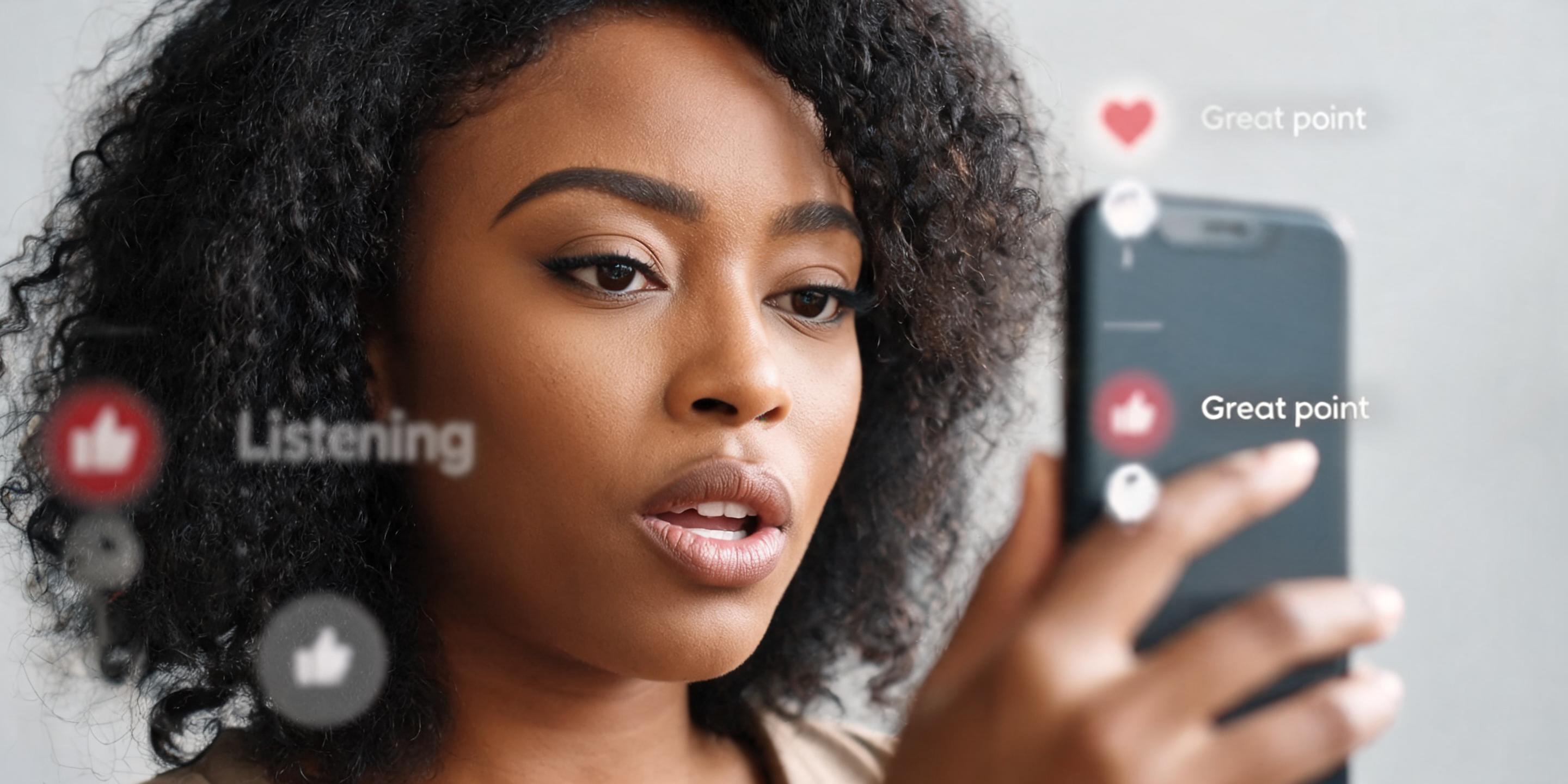
Word of mouth and social media played a clear role in The Wonderfools’ climb on streaming charts. Viewers shared reaction clips and scene breakdowns that highlighted the show’s surprising emotional beats and technical craft. The series’ serialized nature helped maintain week‑to‑week engagement in some regions and encouraged full‑season binges in others. This cross‑platform conversation amplified initial marketing and sustained interest through the year.
Critically the show drew attention for its attention to detail. Production elements such as sound design, score and cinematography contributed to a coherent tone. Visual motifs recur across episodes, creating thematic echoes that rewarded attentive viewers. These elements combined with the central performances to create a show that viewers described as both thought provoking and emotionally immediate.
The global dimension of the series also contributed to its numbers. The Wonderfools was positioned to cross language and cultural lines through universal themes: technological change, community resilience and the ethical cost of innovation. Local subtitling and dubbing efforts helped the series land with audiences in multiple territories, and regional social media discussion threads often drove new viewers to the show.
From an industry perspective, the 188 million hours metric underlines broader trends in streaming consumption. Mid‑length serialized dramas that prioritize character development over episodic spectacle can find large audiences when distribution, marketing and timing align. The Wonderfools shows how a focused eight‑episode arc can generate sustained viewing across a calendar year rather than just a brief spike at launch.
Not every element landed for all viewers. Some criticism centered on the series’ deliberate pacing and the choice to withhold certain narrative answers until late in the season. A subset of viewers said they found the mystery more compelling than the payoff. Still, those debates helped keep the show in public discussion, contributing further to its streaming totals.
Looking at the numbers, The Wonderfools’ 188 million hours watched in 2026 positions it among the year’s most consumed series on the platform. That figure reflects both initial interest and continued engagement across weeks and regions. For creators and distributors, the case offers lessons about structure, character focus and the value of cross‑market accessibility.
The Wonderfools’ run shows how a tightly composed science fiction series can achieve mainstream reach while remaining driven by character. Lena Kade, Dr. Omar Reyes, Mara Holt, Juno and Eli Park gave viewers invested perspectives that sustained attention over eight episodes. The show’s success in 2026 suggests that audiences remain eager for compact, richly textured storytelling, and that measured release strategies can keep conversation alive long after premiere dates.
In sum, The Wonderfools turned a focused creative vision into measurable viewing success. The series’ combination of craft, cast and serialized momentum produced a yearlong presence on streaming charts, illustrating how character‑driven speculative drama can shape the streaming landscape without needing an expanded episode count or constant spectacle.





0 Comments