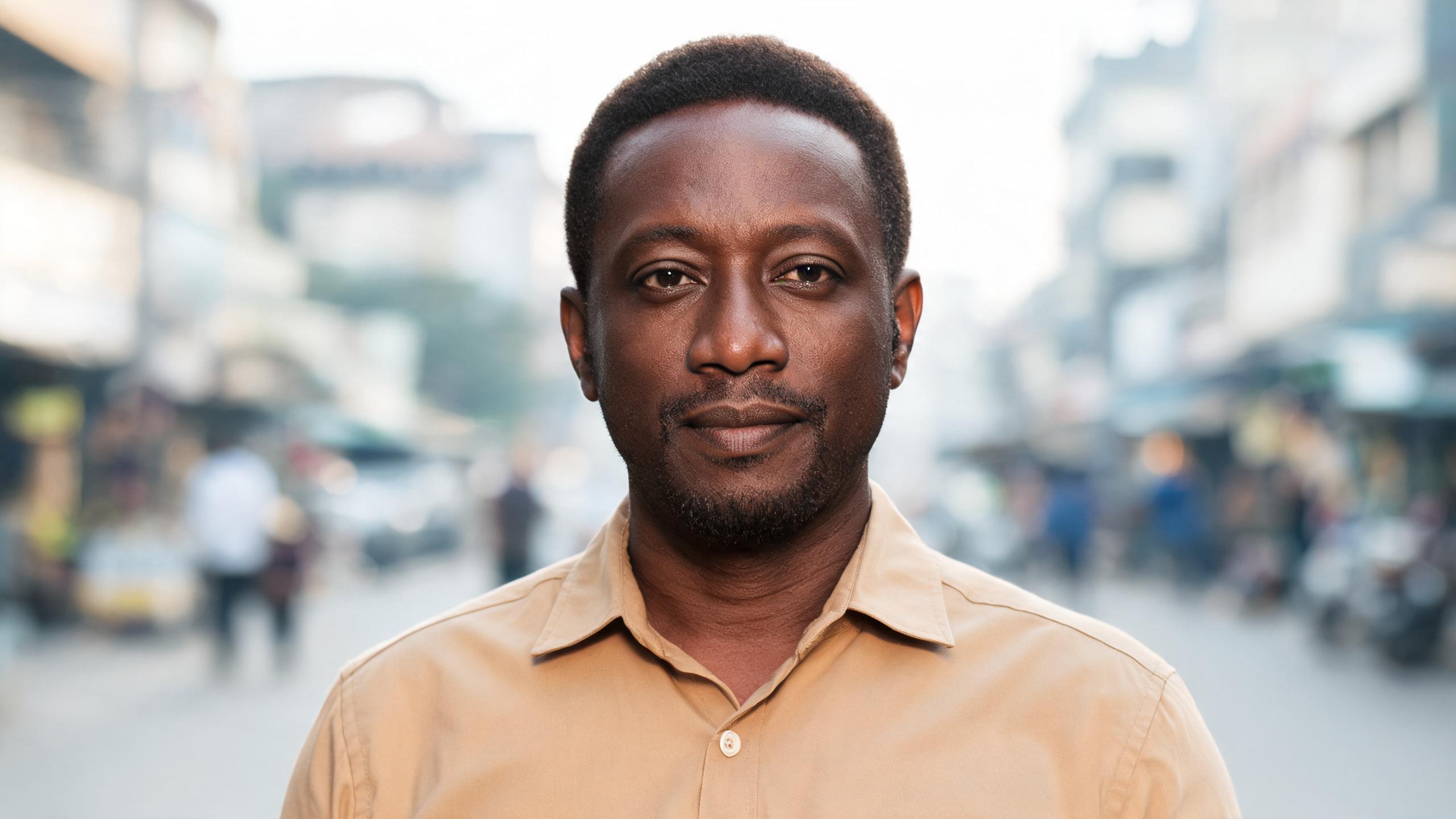
Veteran actor Francis Duru has stirred conversation within the Nigerian entertainment community by contrasting how different ethnic groups respond when their members face controversy or crisis. In a recent interview Duru observed that Yoruba networks have often rallied to protect and support their own, while he felt Igbo communities have not shown the same pattern of collective response. His remarks were framed as a call for collective learning rather than a rebuke, and they have reignited discussion about solidarity, governance and professional support in Nigeria's film industry.
Duru spoke from the perspective of a long-serving industry figure who has seen Nollywood evolve across decades. He reflected on past episodes where actors, filmmakers and other creatives encountered legal problems public scandal or career-threatening incidents. The actor credited the Yoruba cultural and industry structures for producing a form of mutual assistance that can limit damage and preserve careers. By contrast he argued that the Igbo response has tended toward fragmentation and missed opportunities for communal protection.
Observers note that Duru did not present his remarks as a comprehensive historical analysis. Instead he used personal experience and anecdotal evidence to make a point about how communities organize in moments of crisis. Nigerian cinema has never been a monolith. It is a complex network of regional markets and production traditions, including Yoruba-language theatre and film which historically grew strong guild systems and community patronage. Igbo filmmakers have been deeply influential in shaping mainstream Nollywood and have succeeded through entrepreneurship and distribution networks that sometimes follow different patterns of solidarity.
The reaction to Duru's comments has been mixed. Some industry insiders agreed that stronger professional associations and clearer mechanisms for collective action could help creatives across all backgrounds. They highlighted that many artists operate with informal safety nets and that establishing transparent support structures would benefit the sector. Others cautioned that generalizing about ethnic approaches risks oversimplifying deeper structural issues such as unequal access to resources, regional economic disparities and gaps in legal protection for artists.
Beyond cultural practices the conversation has also drawn attention to tangible steps that could reduce the need for community-driven protection. Several producers and legal professionals have argued for better contracts, stronger unions and more robust dispute resolution mechanisms. These tools can provide consistent protection for artists regardless of their regional origin and reduce dependency on ad hoc communal responses. Duru himself emphasized the need for institutions that protect careers while maintaining accountability for misconduct.
Experts say developing a more resilient film industry requires balancing collective support with professional standards. Effective guilds and associations can shield members from economic shocks and provide legal aid, but they must also enforce ethical guidelines. This dual role prevents the perception that solidarity shields wrongdoers and ensures that communal protection contributes to a healthier professional environment. For many entrepreneurs in the industry these ideas echo broader calls for formal training, improved financing and common frameworks for dispute management.
For young actors and filmmakers watching the debate unfold the immediate takeaway has been pragmatic. Building networks remains important but relying solely on ethnic or regional loyalty can be precarious. Many emerging talents are now exploring cross-cultural collaborations and professional memberships that extend beyond local spheres. This trend aligns with a growing drive to internationalize Nigerian cinema while keeping production ecosystems accountable and sustainable.
Duru framed his comments as a prompt for introspection rather than a definitive judgement. He urged colleagues across the industry to study how different groups organize and to adopt the best practices that strengthen individual careers and the sector as a whole. His remarks have encouraged conversations about mentorship, legal literacy and the role of established stars in supporting younger practitioners.
The debate prompted by Duru is likely to continue as the industry grapples with how to protect its workforce and uphold standards. Whether through strengthened associations better contracts or cross-regional alliances the search for durable solutions is underway. For now the exchange highlights a longstanding question about community, protection and professional responsibility in one of the world’s most prolific film industries.
In the end Duru's intervention functions less as a verdict and more as an invitation to action. The actor pushed colleagues to recognize patterns of collective response and to experiment with institutional reforms that can deliver fairness and stability. If those conversations lead to concrete changes they may help reduce crises and ensure that careers are protected by structures rather than only by informal loyalty.


0 Comments