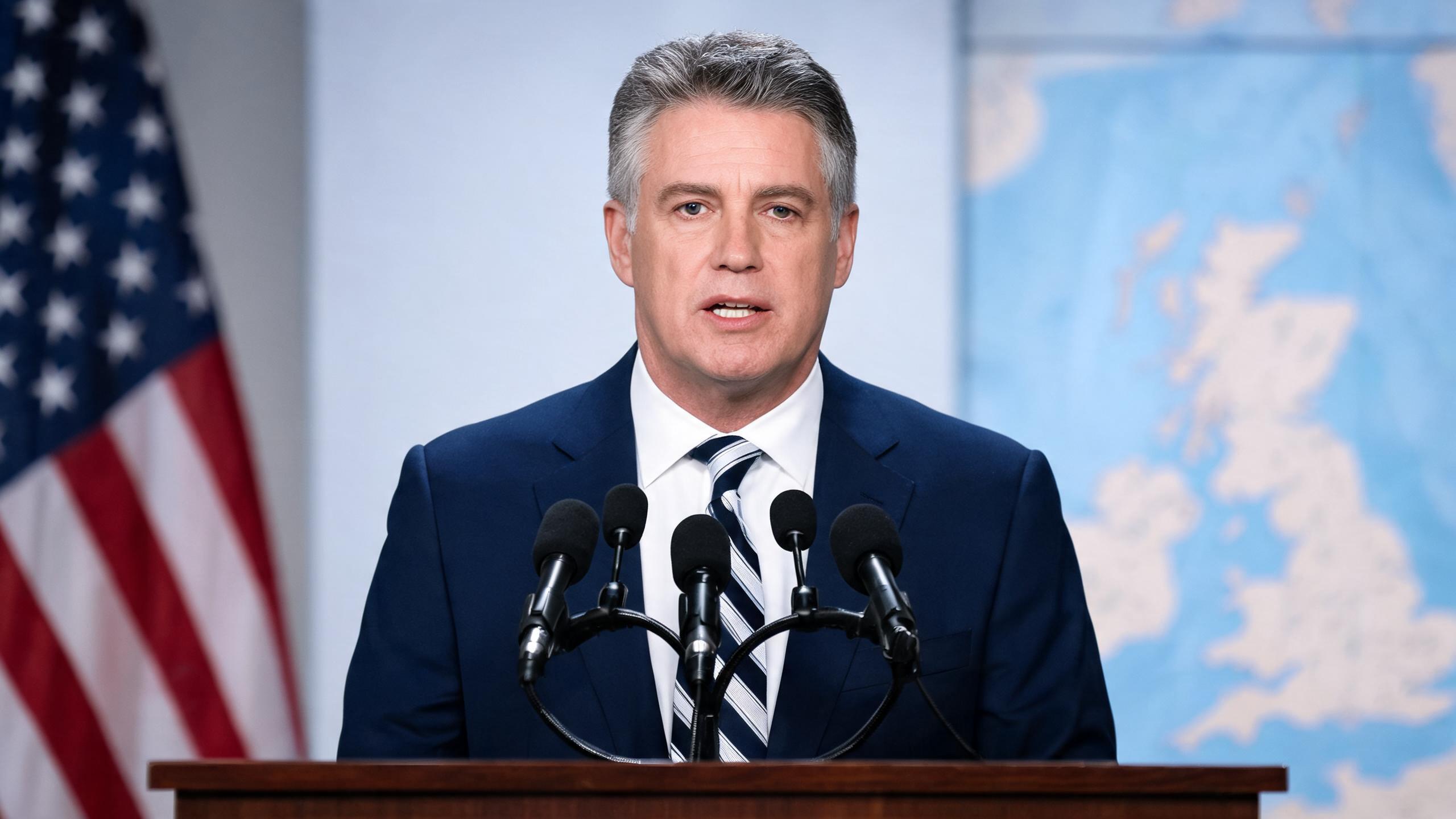
A dispute between two long-standing partners over how public service media should be presented online escalated as senior U.S. officials publicly criticized a United Kingdom plan to increase the visibility of BBC output on global platforms such as YouTube. The U.S. side described the proposal as a form of "extraterritorial censorship," setting the stage for a complex clash over jurisdiction, platform obligations and the future of public broadcasting in the digital age.
The UK proposal aims to ensure that public service broadcasting reaches audiences on commercial video platforms by asking or requiring those platforms to make BBC and similar content more discoverable. Proponents in London argue that as audiences move away from traditional television younger viewers in particular the BBC must be easier to find on streaming and social services in order to fulfill its public remit.
Officials in Washington responded sharply. The administration criticized the measure for seeking to influence the content prioritization practices of a U.S.-based company from outside U.S. territory. In its statement the administration argued that rules compelling a U.S. platform to elevate certain content at the behest of a foreign government risk creating an international precedent that could be used to justify broader controls over digital speech.
The controversy has layered legal and practical dimensions. Platforms operate across national borders but are subject to domestic laws where they are based and where they operate. A UK requirement that forces a global platform to change algorithms or display practices could clash with U.S. legal and policy principles on content moderation and free expression. That tension is the core of the administration's description of the proposal as "extraterritorial censorship."
Representatives of the BBC and officials in London have framed the plan differently. They stress a public service rationale, saying the measure is intended to preserve the BBC's role in informing and reflecting society at a time when major news audiences increasingly use a handful of global commercial platforms. The BBC has said any work to extend its presence on platforms would preserve editorial independence and would not seek to restrict or remove other voices.
YouTube has so far responded cautiously. Company spokespeople note that it must comply with the laws of jurisdictions where it operates while applying platform policies consistently across its global services. YouTube said it will engage with governments on regulatory proposals and warned that operationalizing preferential promotion for a single broadcaster raises complex technical and policy questions that affect users worldwide.
Media law experts and digital policy specialists say the dispute highlights an emerging global challenge. Platforms are designed to be borderless, yet they must navigate an array of national rules. When one country moves to shape platform algorithms for public policy reasons that can collide with the law and policy priorities of another country. "This is a classic example of regulatory friction in a global internet," said a senior academic in media regulation. "Any workable outcome will require careful technical design and diplomatic negotiation."
The immediate stakes are practical. If platforms are required to give priority to the BBC that could change what content surfaces in recommendation feeds and search results, with implications for audience attention and advertising markets. Market participants also warn of knock-on effects: other countries could ask platforms to give similar treatment to state or public broadcasters, or to block or downrank content that governments find objectionable.
Legal avenues are likely to be pursued. Observers expect both formal consultations and potential challenges in domestic courts or in international trade and regulatory fora. U.S. officials could invoke trade law or press for diplomatic talks; UK ministers may pursue domestic legislation or regulatory measures intended to align platform behavior with public service objectives. Platforms themselves could test the limits of what is technically feasible and legally required while balancing user expectations and their own policies.
Political context adds texture but not clarity. The debate crosses ideological lines because it raises foundational questions about who gets to shape the architecture of digital news distribution. Regulators, public broadcasters and technology companies will be watching whether the dispute produces a new model for cooperation, a compromise, or prolonged friction.
Roundup opinion
The confrontation over the UK plan to boost BBC content on YouTube illustrates the growing difficulty of governing a global internet with national rules. The U.S. objection on grounds of extraterritorial censorship reflects legitimate concerns about cross-border regulatory reach. At the same time the UK proposal stems from an equally legitimate ambition to sustain public service media in the digital environment. Resolution will require technical specificity, legal precision and diplomatic negotiation. Absent that, platforms may be left trying to reconcile conflicting demands from different states while audiences and public broadcasters contend with shifting patterns of access and visibility.










0 Comments