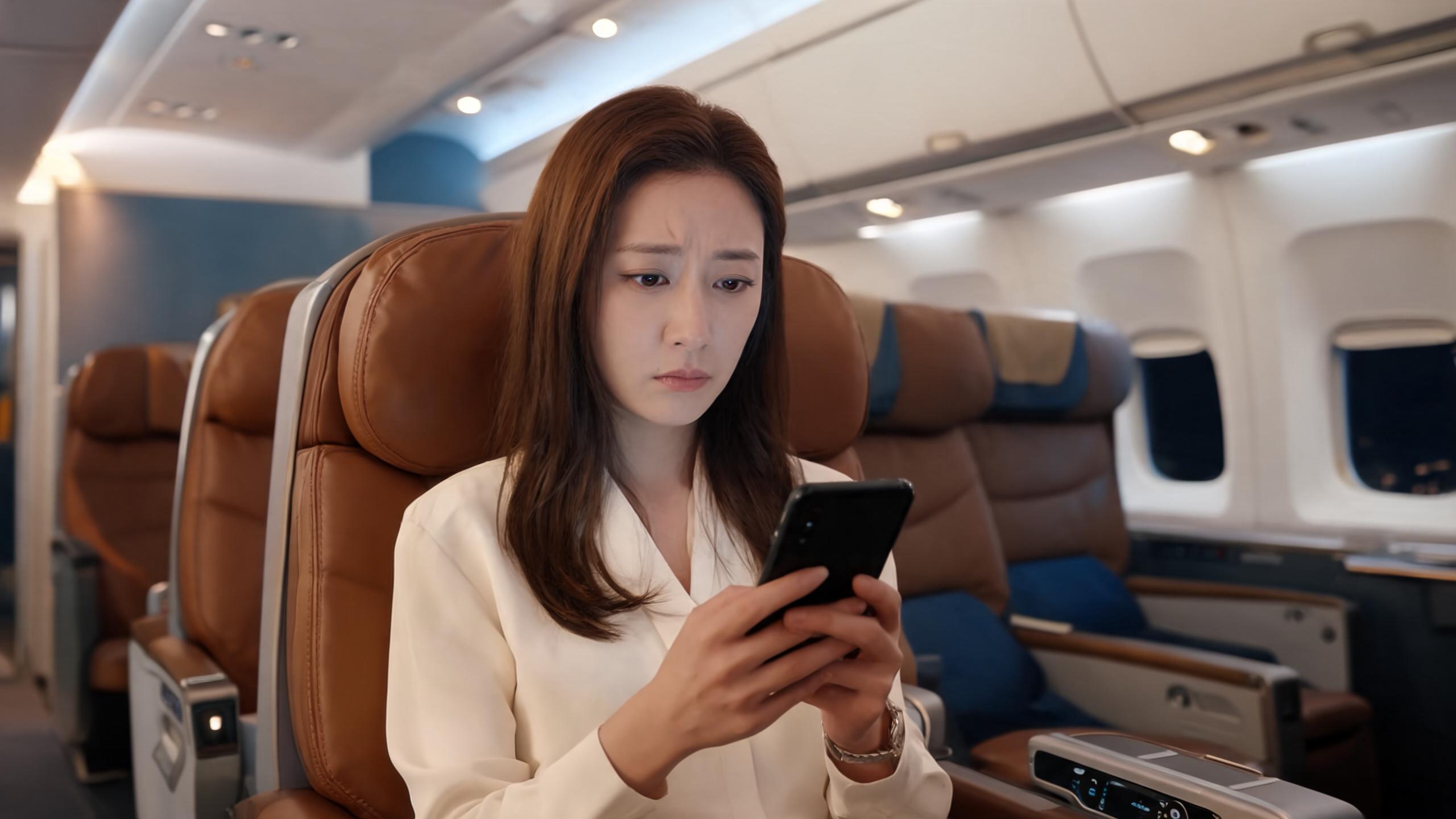
Sarah Martins, the Nigerian actress, has publicly expressed frustration after what she described as an unsatisfactory business-class experience on a recent flight to Canada. Her posts on social media drew attention from fans and frequent flyers, and prompted a response from the airline that operated the route.
Martins took to her social platforms soon after landing to recount a series of problems she said occurred during the journey. She described issues with seating comfort, meal service, and onboard attention from crew members. The post included still images and short clips that circulated online, fueling discussion among passengers who travel regularly in business class and those following the actress’s career.
Travellers expect a distinct level of service when they book business-class tickets, particularly on long-haul flights. Business-class cabins typically offer larger seats, enhanced dining, and a higher crew-to-passenger ratio. Martins’s account underscored the gap between expectation and delivery in this instance, and the story resonated with many who felt their premium air travel experiences have also been inconsistent in recent years.
The sequence of events, based on Martins’s account, began at boarding when she said she encountered an issue with her assigned seat. She reported that the seating system did not operate properly and that a substitute seat offered later did not match the original reservation. She also noted delays in meal service and said some items advertised on the menu were unavailable by the time service reached her row.
Martins wrote that attempts to get timely assistance from cabin staff did not meet her expectations. She said crew members were polite but appeared overstretched, and response times were slower than she found acceptable for a business-class cabin. The posts did not detail any conflict or confrontation on board. Instead, they emphasized disappointment over an experience that fell short of the premium fare she had paid.
The airline responded with a brief statement acknowledging Martins’s concerns and saying it would look into the matter. The carrier said passenger comfort and service quality are important and that it will communicate with Martins directly to gather more information. In cases like this, airlines typically review flight logs, crew reports, and cabin equipment records before offering an outcome to the passenger.
Travel industry observers noted that incidents such as this can stem from many causes. Aircraft undergoing maintenance cycles, unexpected equipment faults, or last-minute cabin swaps due to operational needs may cause discrepancies between the product advertised and the one delivered. Staffing pressures, particularly on routes with tight turnarounds or seasonal demand, can also affect service levels.
Travel agents and frequent flyers who commented on the situation said the appropriate remedies range from a formal apology and voucher to a partial refund, depending on the extent of the deficiency and the airline’s policy. Passengers who experience problems are usually encouraged to file a written complaint with the airline after travel, keeping records such as boarding passes, photos, and correspondence for follow-up.
Reaction on social media was mixed. Many followers expressed sympathy for Martins, citing their own recent travel frustrations. Others urged patience, saying rare operational problems can affect any airline. Some commentators used the episode to discuss wider trends in aviation customer service, including how carriers prioritize resources across cabin classes and the role of transparency when advertised features are temporarily unavailable.
This incident also highlights the power of public platforms in drawing attention to customer service issues. For public figures such as Martins, a single post can quickly attract scrutiny and prompt corporate responses. Airlines are increasingly attentive to social media feedback because public exchanges can escalate faster than traditional complaint channels.
For travellers, the episode serves as a reminder to check the terms of their fare, and to understand the complaint process for the carrier they use. Many airlines offer formal channels for redress and detailed instructions on how to file claims for compensation or refunds. For those who pay a premium for upgrades, documenting the experience and seeking a formal review is often the most direct way to obtain compensation.
In the days following her posts, Martins indicated she would follow up with the airline to seek resolution. The carrier has pledged to investigate and to be in contact. Travel professionals say these disputes are usually resolved through private correspondence between the passenger and the airline.
Martins’s account brought attention to expectations around premium travel and the operational challenges that can affect service on a given day. Passengers, carriers, and industry observers will be watching for the outcome of the airline’s review. The episode reinforces the importance of clear communication and timely remedies when paid products fall short of expectations.











0 Comments