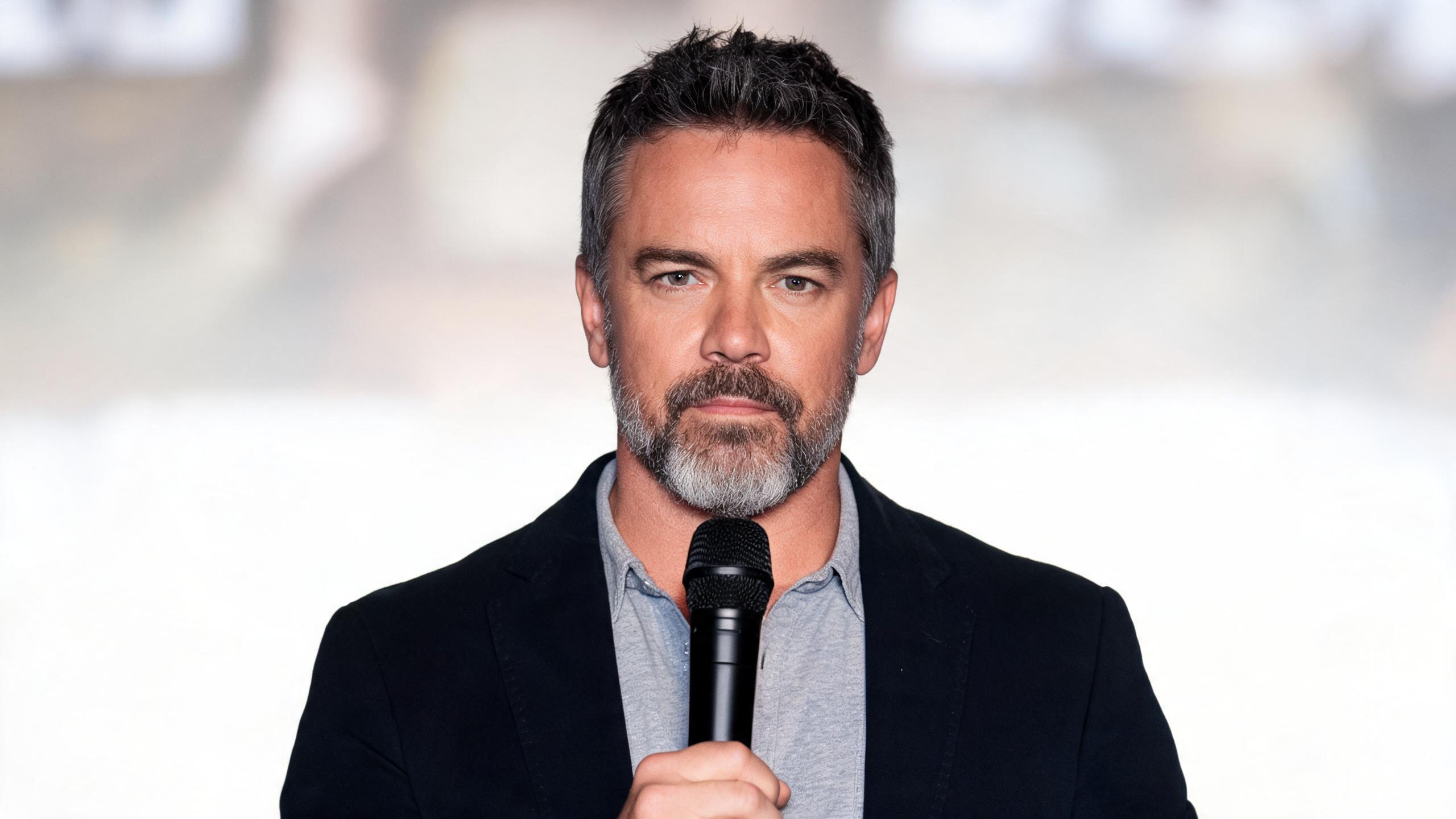
Mark Ruffalo pushed back publicly after Paramount issued a statement accusing the actor of using antisemitic language in his recent public comments. The exchange escalated a dispute that sits at the intersection of celebrity activism and corporate response, with both sides framing the matter in strongly worded statements.
Paramount released a short public note that characterized some of Ruffalo's remarks as reflective of antisemitic tropes. The company said it could not ignore language that it described as harmful and that it expected those who work with or speak on behalf of the industry to avoid rhetoric that targets any group. The studio did not announce any immediate personnel moves tied to the statement.
Ruffalo responded swiftly through his own social media channels, calling Paramount's charges "fundamentally dishonest." In his post he said his criticism was aimed at particular policies and actions, not at Jewish people. He wrote that conflating criticism of a government or its policies with hatred directed at a religious or ethnic group distorts public conversation and undermines legitimate critique.
The back-and-forth highlighted familiar tensions that have surfaced in recent years. Artists and public figures often use high-profile platforms to comment on complex international situations. Studios and other corporate partners find themselves under pressure to act when public statements provoke controversy. In this instance, the disagreement turned into a direct confrontation between a prominent actor and one of the major entertainment companies he has worked with.
Ruffalo framed his remarks as consistent with a long history of activism. He reminded his audience of past positions and philanthropic work, saying he has long opposed prejudice in all forms. He asked the studio to correct what he called an erroneous characterization of his intent and language.
Paramount defended its statement as an effort to draw a line around what it views as unacceptable public discourse. A spokesperson for the company emphasized that the studio did not want to minimize the right of individuals to express political views. At the same time, the representative said the company felt an obligation to respond when statements cross into what it identified as hateful language. The representative declined to comment further on personnel or contractual implications.
The dispute prompted immediate public reaction. Other artists, industry figures, and commentators weighed in across social media and in opinion pieces. Some agreed with Ruffalo's argument about the need to separate criticism of state policy from prejudice toward a people. Others supported Paramount's stance that certain rhetoric can feed broader patterns of discrimination and must be called out by institutions.
Legal and industry observers noted that companies often issue public statements to protect their reputations and to address stakeholder concerns. Studios operate in a field where public perception can affect everything from box office performance to investor relations. Those observers also pointed out that public disputes rarely resolve themselves quickly and often end up prompting internal reviews, mediated conversations, or negotiated clarifications.
People familiar with entertainment industry dynamics said that while public spats between talent and studios can be disruptive, they are not unprecedented. The situation's outcome will likely depend on private discussions, contractual obligations, and whether either side sees public escalation as serving its interests. In many instances, such conflicts are settled quietly behind closed doors, with public statements serving as markers of positions rather than final determinations.
The episode also renewed conversations about how platforms and institutions respond to speech that blurs lines between political critique and prejudice. Advocates for clearer public discourse urged both parties to prioritize context and education. Some proposed processes that companies might use to assess disputed remarks, such as consulting subject matter experts or adopting clearer public guidelines that distinguish legitimate protest from hate speech.
Ruffalo's message, while forceful, called for a broader conversation. He said that addressing grievances without stifling debate would better serve the public interest. The studio's statement reiterated that it intended to apply its standards consistently and to protect communities from rhetoric it deems damaging.
Roundup opinion
This exchange underscores how quickly disagreements over language can escalate when they involve prominent voices and global platforms. Both the actor and the studio made public statements reflecting their priorities. The path forward will likely include private talks, and possibly a public clarification, as both sides balance reputational concerns and the desire for clear boundaries around speech. The episode is a reminder of the challenges companies face when responding to controversial statements and the importance of measured, context-aware dialogue when questions of identity and criticism intersect.

0 Comments