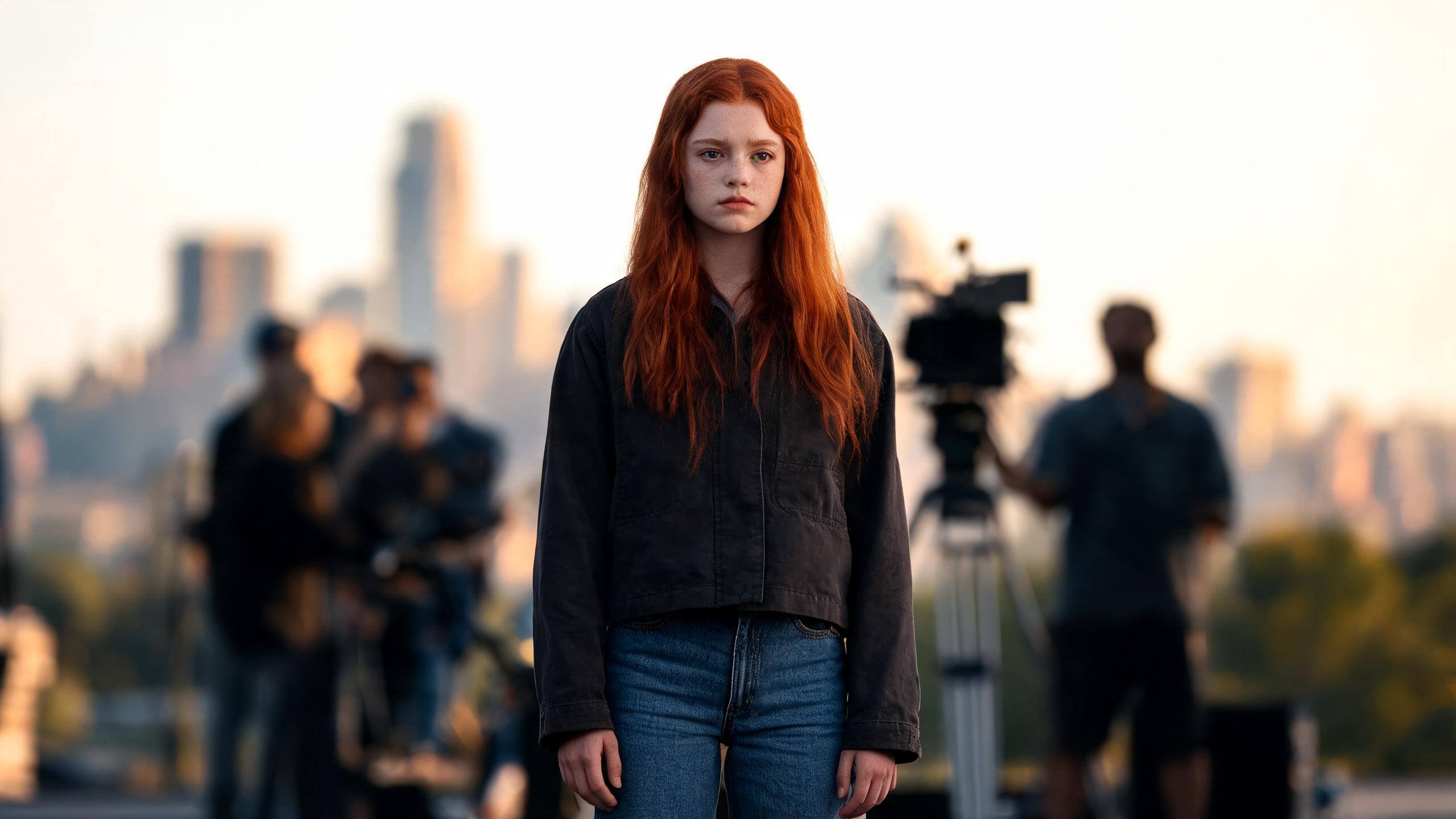
When actors sign up for huge superhero projects, the headlines usually promise dramatic character arcs and sweeping reveals. Sadie Sink’s recent comments about her role in the upcoming Spider-Man film, titled Spider-Man: Brand New Day, offer a rarer glimpse of the opposite: uncertainty. Sink, who has earned attention for her previous screen work, has said she doesn’t yet know where her Spider-Man character will go — and that ambiguity is part of the process for many performers working inside large, evolving franchises.
Sink’s involvement in the project generated excitement because she brings an intense, focused presence to everything she does. Reports around the casting linked her to a familiar name from Spider-Man lore, Betty Brant, but details about the part remain scarce. Whether she is playing Betty Brant or an original newcomer created for the film, Sink has been frank about not having a finalized map for the character’s future. Rather than a complaint, her remarks read like an acknowledgment of how these large movie ecosystems are built — often in layers and with many people shaping the story as production moves forward.
This type of secrecy is familiar territory for actors in blockbuster franchises. Studios keep plotlines close to the vest to protect surprises and manage marketing. On the other hand, writers and directors frequently revise arcs during filming and post-production. For an actor, that can mean learning the character in stages: early scenes are performed without a complete view of what the character will become. Sink’s openness about that uncertainty highlights an ordinary working condition on such films, rather than signaling any behind-the-scenes turmoil.
For fans, ambiguity sparks two kinds of reactions. Some welcome the mystery; they like piecing together clues and imagining the directions a new character could take. Others prefer clarity, wanting the producers to set audience expectations early and firmly. In this case, the lack of a public roadmap raises questions about how closely the final film will follow comic-book templates. Betty Brant, when present in Spider-Man stories, has had varied roles — from Daily Bugle secretary to an emotional anchor for Peter Parker — leaving plenty of room for filmmakers to reinterpret her.
From a storytelling perspective, leaving a character’s arc open during production can be beneficial. It allows directors and writers to see how an actor’s chemistry with the rest of the cast changes the story. It also permits reactive storytelling: if a particular scene or relationship shines on camera, creators can amplify it in later edits or sequencing. That fluidity can produce surprising and satisfying results, even if it frustrates those who want early confirmations about a character’s future.
There are practical considerations too. Big productions must juggle scheduling, visual-effects planning, and marketing timelines. A fully fixed character arc requires locking many moving parts early, which is not always possible. By the time scripts are public or actors speak about their roles, the creative team may still be experimenting with tone and intention. For an actor like Sink, who is building a career in both dramatic and genre work, those variables present both a challenge and an opportunity.
How this plays out on screen will ultimately be what matters to viewers. If the film turns Sadie Sink’s role into a meaningful part of the story, the initial ambiguity will be a footnote. If the character remains peripheral or underused, fans may look back and point to the early uncertainty as a missed chance. Either way, Sink’s candidness offers a reminder that the making of blockbuster cinema is often iterative, with many choices made late in the process.
For audiences keeping score, the takeaway is simple: patience. The modern superhero film is as much a production puzzle as it is a narrative promise. Actors, writers, and directors alike navigate shifting drafts, logistics, and creative instincts, and sometimes that means an actor won’t be able to explain where their character ends up until the film is finished. Sadie Sink’s honesty about the unknowns surrounding her Spider-Man character is less a story about secrecy and more a snapshot of how collaborative filmmaking works under high-profile conditions.
Until Spider-Man: Brand New Day reaches theaters, viewers can expect a measured drip of official details and more moments where cast members describe the experience rather than plot points. When the film is released, audiences will be able to see how the choices made during production — and the late-stage decisions that shaped characters like the one Sink is playing — finally land on screen.








0 Comments