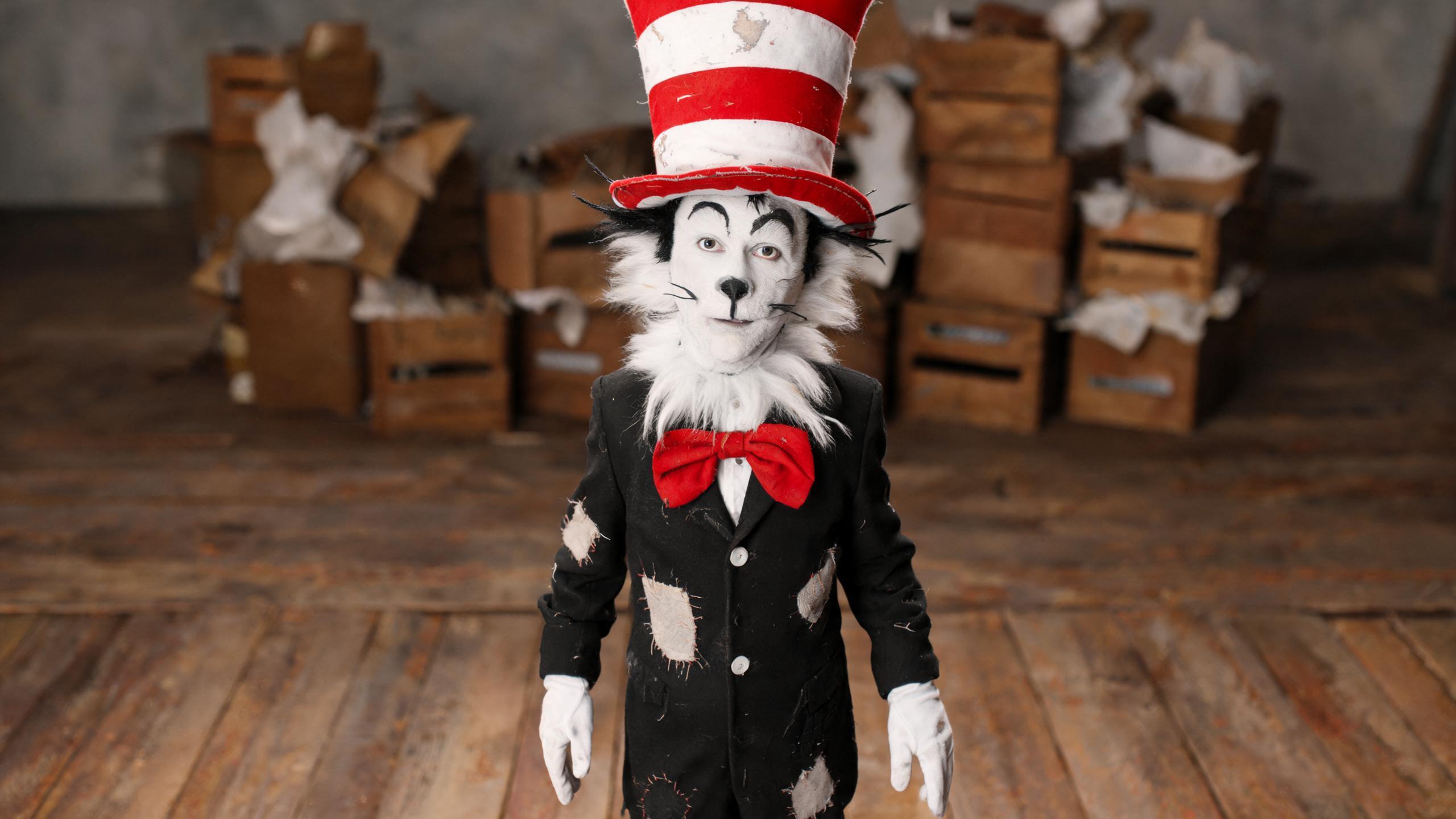
The wooden crates arrived stacked like relics from another life: cracked labels, damp-stained packing paper and the faint smell of latex and old glue. At first glance this was a routine inventory of a film-prop auction, but among the expected posters and set furniture there were objects that make you pause — a prosthetic toe linked to The Big Lebowski, a battered Cat in the Hat costume, and an extraordinary range of animatronics and masks that toe the line between craftsmanship and nightmare.
These lots are not just souvenirs; they are manufactured memories. The prosthetic toe carries the aura of a specific scene and the household names attached to it: Jeffrey “The Dude” Lebowski and the film’s offbeat cast. The Cat in the Hat ensemble, meanwhile, evokes the loud, exaggerated energy of a children’s feature made flesh — but years of stage lights, storage and repair have given the suit a worn, uncanny quality that looks very different outside its original context.
The auction spans genres and decades. There are family-friendly items — hand-stitched puppets, set-dressed bedroom furniture and colorful props that once lived at the center of children’s stories — alongside items designed to unsettle: prosthetic limbs and makeup effects from horror films, full-head masks with glossy eyes, and partial creature suits built for close-up shots. That variety tells a practical story about filmmaking: props are made to be seen, photographed and sometimes destroyed, and once production ends they enter a second life as collectables, teaching tools or museum pieces.
Collectors and curators are the obvious audience for this sale, but the lots also draw a quieter crowd: restorers, prop historians and theatre designers looking for materials or reference. A mask that reads as grotesque on its own might reveal a sculptor’s technique; a torn sleeve might show a costume department’s solution for quick-change scenes. The auction catalog emphasizes provenance and condition, but a prop’s value can depend equally on the story it carries. A modest-looking tabletop ashtray can spike in interest if it sat in front of an iconic character during a key scene.
There is also a technical fascination to items that unsettle. Makeup artist appliances — silicone faces, tooth prosthetics, blood rigs — are often the most intricate pieces in any lot. They require precise molds, layered painting and a knowledge of how skin moves under light. As they age, materials degrade in ways that reveal their construction: the ridged edge of a foam appliance, the tiny anchor points where a hairpiece was glued. For students of special effects, seeing these objects up close is like reading an engineer’s notebook.
Not every item is expensive, and not every lot is famous. The auction includes thousands of pieces: props used for background action, small practical effects, and set dressing that never gets a close-up. Those items are often the best bargains. A theatre company can buy a dozen period-appropriate lamps and a fireplace screen at a fraction of the cost of custom fabrication. For independent filmmakers, these sales are practical treasure troves.
But there’s an emotional dimension that goes beyond utility. Fans sometimes buy because they want a tangible link to a film or character. For others, it’s curiosity: what does a physical object from a movie look like up close, removed from the orchestration of a set and cinematography? The toe in the briefcase or the Cat in the Hat costume becomes a pivot for storytelling — not just about the film that created it, but about the people who made it and the small, imperfect solutions they built on set.
There are ethical and conservation questions, too. Prosthetics and materials treated with harsh chemicals can be fragile or hazardous. Auction houses and buyers increasingly work with conservators who can evaluate condition and recommend safe storage. When something macabre sells, museums and private collectors must decide whether to exhibit or archive, balancing public curiosity with respectful handling.
At its best, a prop auction is a public archive of craft. These items are reminders: filmmaking is teamwork, and even the odd or unsettling pieces were carefully planned and executed. They capture a mix of ingenuity, labor and aesthetic choice — a reminder that what looks like nightmare fuel in the wrong light was often created with meticulous care.
If the idea of latex, faded fabric and stuffed limbs gives you pause, that reaction is part of the story. These are objects built to elicit an effect — laughter, shock, wonder — and seeing them out of context can be jarring. Whether bought as a keepsake, a research aid or a conversation piece, each lot carries with it a small history of the movie industry’s workshop culture, where the ordinary and the eerie are equally useful.
In the end, the auction is less about sensational oddities and more about the tangible outcomes of cinematic problem-solving. The props on offer are reminders that movies are made in the cracks between imagination and material reality — and sometimes, when those cracks widen, you get something you can’t help but stare at.









0 Comments