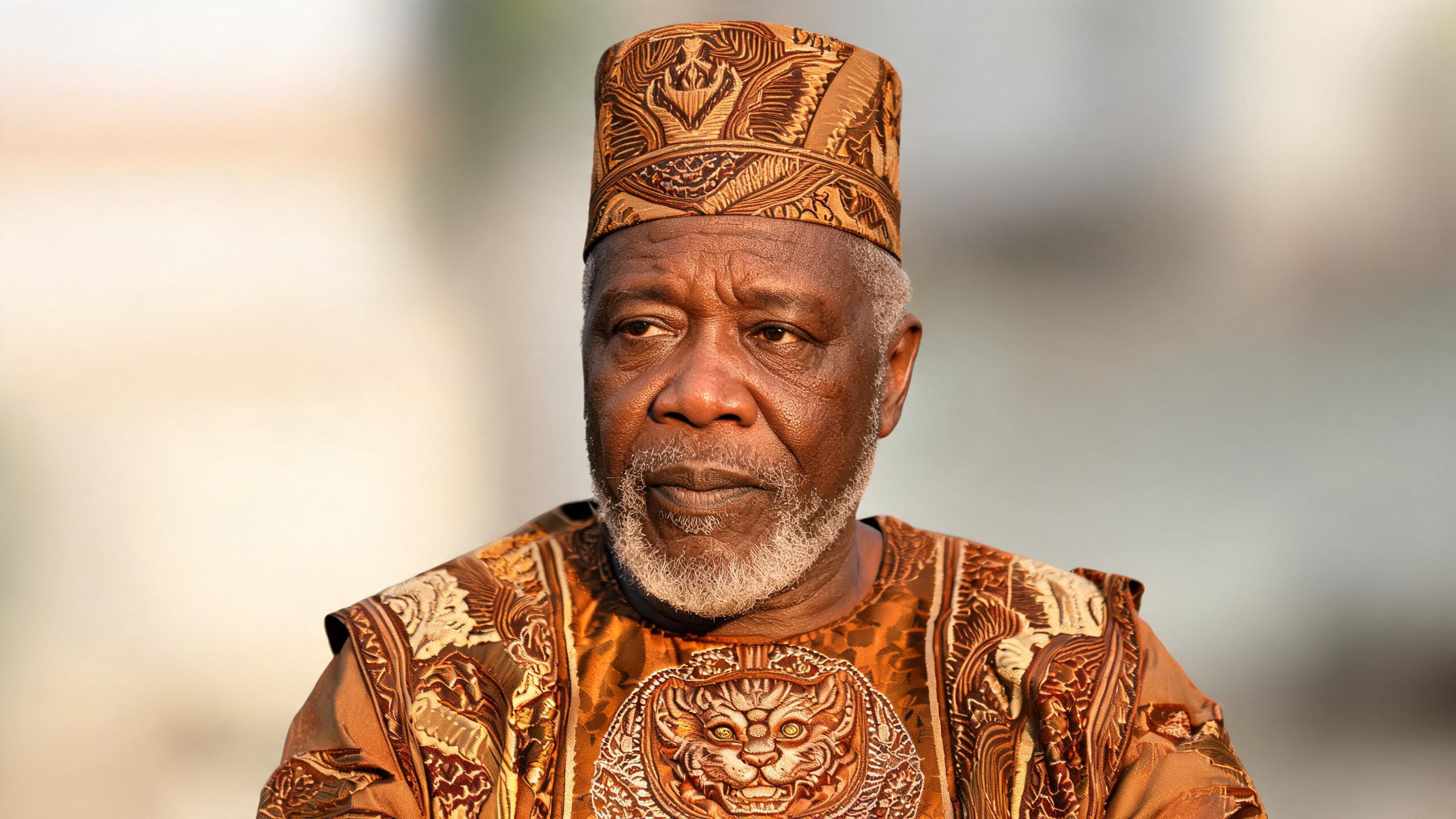
Veteran actor Pete Edochie has urged men to rethink the practice of kneeling when proposing marriage, saying the gesture can unintentionally diminish the role of family authority. Edochie raised his concerns in a recent interview, noting that marriage rituals carry cultural weight and affect how families see one another moving forward.
Edochie, known for his long career in film and for speaking on cultural matters, framed the debate as one about respect and hierarchy within family structures. He said that in some communities the act of kneeling conveys a level of submission that should not be directed solely toward a prospective bride if it undermines the standing of parents or elders who have long guided family decisions.
The actor described marriage as a joining of families as much as a union of two people. He argued that ceremonies and customs must be chosen with sensitivity to local traditions. For Edochie the concern is not about discouraging romantic gestures, but about preserving dignity across generations. He suggested that couples can express love and commitment without contradicting the expectations of their families.
Reactions to Edochie’s remarks have varied. Some observers say the kneeling gesture is a modern expression of vulnerability and love, and that it can coexist with respect for elders if managed thoughtfully. Others agree with Edochie, saying that certain public displays can unsettle older relatives who value established codes of conduct. Family members who prefer formal introductions and traditional rites see Edochie’s comments as a reminder to protect those practices.
Cultural commentators note that traditions evolve, but the pace and direction of change prompt conversations about identity. The kneeling proposal has become common in many places through global media and social platforms. For some young couples it represents an intimate and personal choice. For others the move prompts questions about where romantic symbolism ends and where family protocol begins.
Legal scholars and sociologists point out that ritual and symbolism shape expectations in marriage beyond the wedding day. How a proposal is made can set the tone for negotiation of roles and responsibilities. Edochie’s message resonates with those who argue that customs are not merely decorative but instructive. Ceremonial acts can reaffirm community values or signal a shift in who negotiates family matters.
Edochie offered no prescription that prohibits kneeling. Instead he encouraged dialogue between partners and families. He advised young people to discuss the meaning of proposal rituals with their parents and potential in-laws. That approach, he said, can prevent misunderstandings and build consensus for a celebration that honors both modern sentiment and traditional bonds.
Roundup opinion
The conversation prompted by Pete Edochie highlights a broader cultural negotiation. As young people adopt new forms of expression, older generations weigh their impact. The outcome often rests on communication. Couples who explain their choices and listen to family concerns may find rituals that feel respectful to all. Whether kneeling becomes a universal symbol of love or remains a contested gesture will depend on how communities balance personal expression and shared heritage.







0 Comments