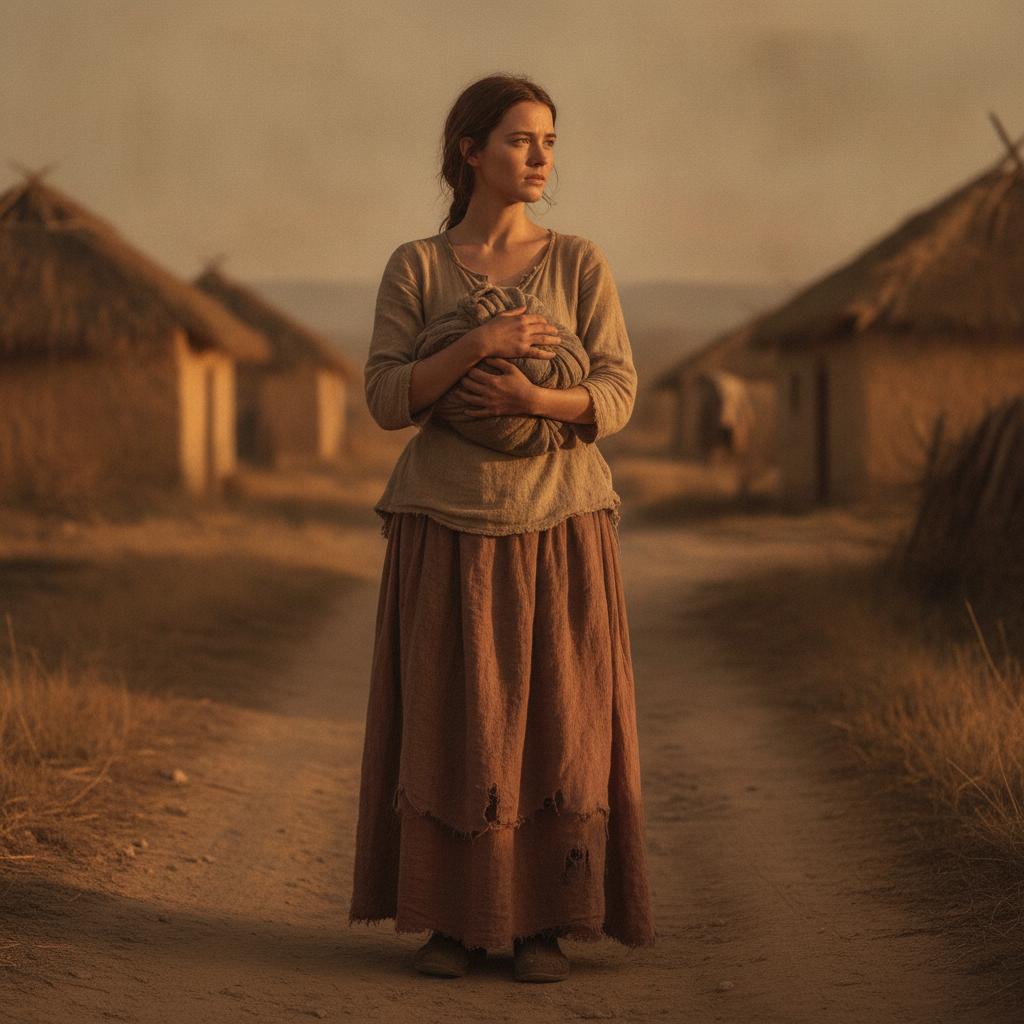
Onobiren opens not with spectacle but with a quiet beat: a girl learning how to move through a world built on scarcity and fragile safety. From that intimate starting point the film steadily expands, tracing how daily acts of endurance, compromise and courage accumulate into the contours of a woman’s life. It’s a character-led portrait about survival, and it earns its emotional weight through small, carefully observed moments.
The screenplay privileges interiority over exposition. Scenes linger on gestures — a hesitant glance, a hand steadying a child, the slow calculation in a conversation — which gives the lead’s choices a lived-in logic. The movie resists tidy moralization; instead it asks viewers to sit with complexity. Girlchild struggles are shown as interwoven social pressures and personal compromises, and the film avoids sensationalizing pain. Instead, it shows how limited options shape decisions and how resilience can look like adaptation, bargaining and sometimes quiet withdrawal.
Visually, the film favors a muted palette and close framing that keeps the lead anchored at the center of the frame. This choice reinforces the sense of containment and the daily navigation of constrained spaces. Sound and score are used sparingly — silence often does the heavy lifting, allowing the audience to hear the unspoken cost of survival. Supporting characters provide necessary context without derailing the protagonist’s arc, functioning more as mirrors and obstacles than full backstories.
The performances sell this approach. The central performance is layered: toughened by circumstance, yet still capable of tenderness and fragility. Rather than asking viewers to root for a purely heroic figure, the film invites empathy for someone negotiating imperfect choices. Pacing favors accumulation over urgency, which will reward viewers who appreciate slow-burning character drama but may test those expecting rapid plot turns.
Onobiren doesn’t offer easy answers, and that is its strength. It is less concerned with prescribing solutions than with faithfully portraying how a girlchild’s struggles can imprint a life. By focusing on nuance and human detail, the film respects its subject and leaves a lasting, contemplative impression.



0 Comments