Nigerian screen veteran Nkem Owoh has reopened a familiar cultural argument, not with bluster but with a careful clarification. In a recent appearance on the YouTube talk show Curiosity Made Me Ask, published on Saturday, November 7, 2026, the actor known to millions as Osuofia said Yoruba filmmakers pioneered the country’s home video practice, while the label Nollywood came much later. “Yoruba did not start Nollywood, they started home video and the rest,” he said, adding that there was no Nollywood name when the earliest tapes reached Nigerian living rooms.
His distinction matters because it speaks to two intertwined histories. One is the videotape economy that grew out of Yoruba traveling theatre and cassette technology in the late 1980s. The other is the cross‑regional boom of the early 1990s that popularised the Nollywood brand. Scholarly accounts identify early Yoruba video titles such as Mydeen Alade Aromire’s Ekun, shot in 1986 and screened in 1989, and Ade Ajiboye’s Soso Meji in 1988, as precursors that proved the market for direct-to-cassette drama.

Producer Kenneth Nnebue, later associated with the Igbo-language hit Living in Bondage, had already financed Yoruba-language video features like Aje Ni Iya Mi in 1989, a shoestring production that reportedly delivered handsome returns. Those profits, historians argue, encouraged a wave of entrepreneurs to swap expensive celluloid for consumer VHS and to push stories through open markets rather than cinema halls.
Living in Bondage arrived in 1992 and reset expectations. It was not the first Nigerian video film, yet it became the first genuine blockbuster of the tape era, codifying the distribution shortcuts, melodramatic rhythms and urban gloss that shaped a new mass industry. In this retelling, the Yoruba strand incubated the form, while the broader Nollywood surge gave it nationwide name recognition.
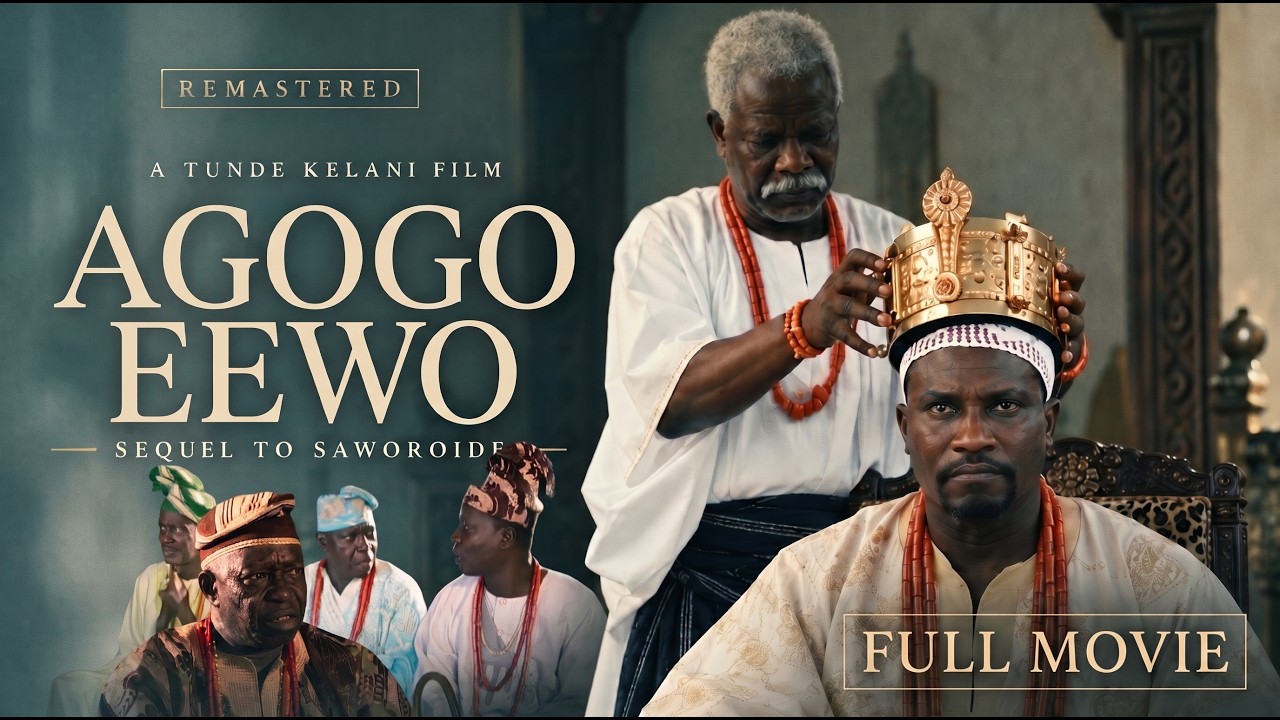
Owoh’s intervention is therefore less a tribal scorecard and more a plea for precision. It acknowledges Chief Hubert Ogunde’s foundational Yoruba stage tradition while accepting that Nollywood, as a term and as a national marketplace, crystallised after the cassette pioneers had done their proving work. The argument is not merely academic. It affects how institutions teach film history, how guilds assign honours, and how a new generation understands the shoulders on which it stands.
What next is a task for record keepers. Film schools, the National Film and Video Censors Board, and guilds across language lines can commission a unified timeline that spans traveling troupes, early VHS experiments and the market-making success of the early 1990s. If Owoh’s clarity prompts that documentation, the industry would gain a shared memory that respects both origins and outcomes.










0 Comments