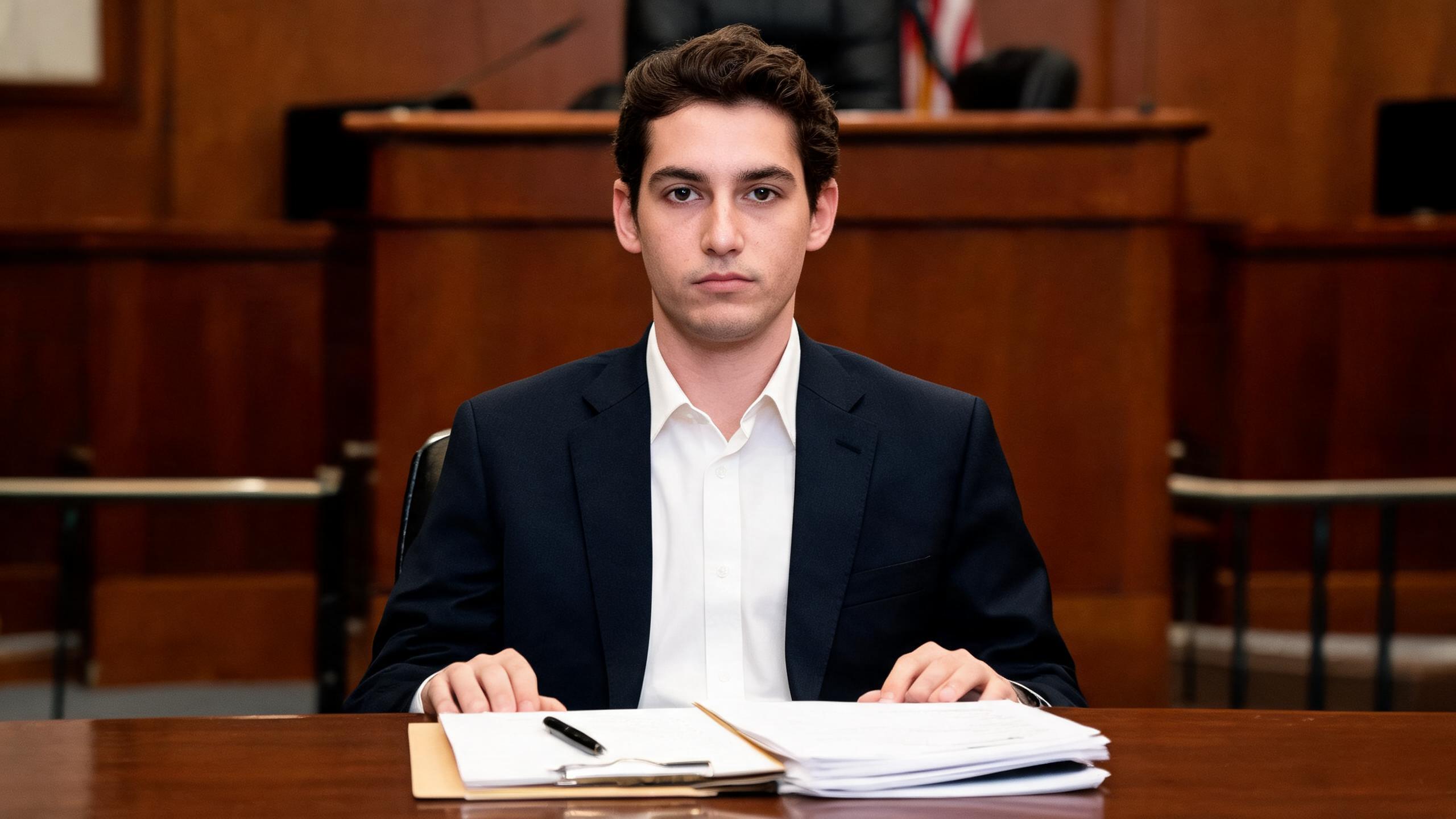
When a defendant asks a courtroom to open its doors wider than usual, the question is no longer only about one case. It is about how justice appears in public life: visible, immediate and mediated. That is the moment at the heart of the request by Luigi Mangione, who has asked a judge to allow his criminal trial to be broadcast live, arguing that public access through video is a modern extension of a centuries-old principle of open courts.
<div align="center">Luigi Mangione</div>
The motion filed by Mangione’s defense frames the request as an effort to ensure transparency. His legal team says that allowing live audio and video would let the public, potential witnesses and interested parties see the full proceedings without having to attend in person. Defense counsel also argues that a public, recorded record reduces the risk of misinformation that can arise when court events are filtered through secondhand reports or social media snippets.
<div align="center">Michelle Rivera — Defense Attorney</div>
Opposing voices in the courtroom have raised concerns about how a live broadcast might affect other participants. Prosecutors have told the court they worry cameras could deter witnesses from speaking freely, create a theater-like atmosphere, or complicate efforts to seat an impartial jury. They also pointed to practical considerations: courtroom technology, management of gavel-to-gavel feeds, and the possibility of deliberate disruption through online amplification.
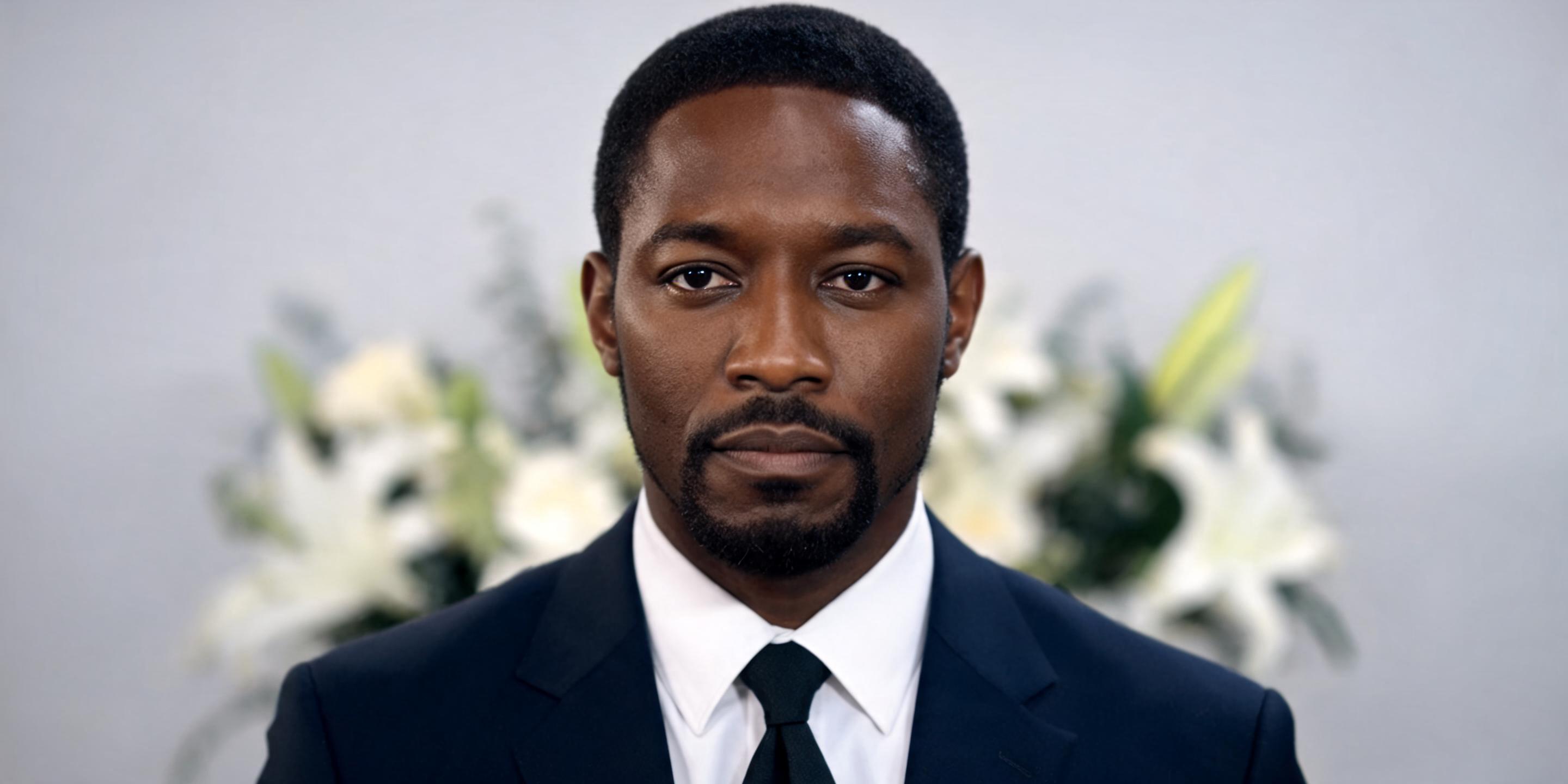
<div align="center">Thomas Blake — Prosecutor</div>
Judges around the country have treated camera access differently. In some regions, cameras and livestreams have become routine for high-profile hearings; in others, trial-level video remains rare. The legal standards used to decide whether to permit broadcasting typically weigh the public’s interest in access against potential harms to trial fairness, witness safety and juror impartiality. Those balancing tests are fluid, and courts have wide discretion to impose conditions—such as restricting closeups of jurors, prohibiting live commentary, or delaying a feed to prevent circulating sensitive testimony.
Mangione’s filing presses these points in favor of openness. His lawyers emphasize that modern technology can be used responsibly: controlled camera angles, pooled media access, and clear courtroom rules designed to protect witnesses and jurors while still providing a transparent account for the public. They argue that when courts deny visual access, the public’s understanding of judicial procedure narrows to short written summaries or selective clips that may omit context.
Opponents reiterate the traditional reasons for caution. Criminal trials are not performances, the prosecutor’s office says, and turning them into live broadcasts risks transforming solemn legal processes into spectacles. There are also practical legal protections to consider: witness privacy in cases involving trauma, the presence of minors, or safety concerns that can be exacerbated if live images spread quickly online. Prosecutors and some judicial officers prefer incremental approaches—opening some hearings to cameras but keeping certain witness testimony or sensitive segments off-limits.
Beyond practicalities, the request raises questions about public expectations. Many citizens expect transparent institutions but are also wary of sensational coverage. Allowing a feed does not guarantee a fuller, fairer public conversation; it can also fuel snap judgments before a jury reaches a verdict. Courts sometimes address this by restricting commentary from media organizations and enforcing strict rules against juror identification or extrajudicial publicity.
For the court deciding Mangione’s motion, the choice will likely be bespoke. Judges often issue narrowly tailored orders that permit limited broadcast under specific conditions—time delays, supervised camera placement, and written protocols for handling sensitive testimony. The decision will reflect local practice and the particulars of the case before the bench: the nature of the charges, the safety of witnesses, and the logistical capacity to monitor a live feed.
The stakes are symbolic as well as practical. A ruling in favor of live access could be cited in future requests and may encourage more routine livestreaming of trials locally. A denial, or a heavily restricted approval, will underscore the continuing tension between immediate public visibility and the safeguards that have long governed courtroom procedure.
All parties in the case have expressed their intention to follow the judge’s lead. For now, the motion remains pending; the judge’s forthcoming order will determine not only whether cameras will capture Mangione’s courtroom moments, but how that footage may be shaped, delayed or shielded in the interest of a fair process.
In the end, the issue speaks to broader choices about how justice should be seen. Balancing transparency, fairness and the dignity of proceedings is a task courts must undertake with care. Whatever the decision, the hearing over Mangione’s request will be watched closely by lawyers, journalists and citizens who are tracking how modern technology is changing the contours of public access to the courts.
0 Comments