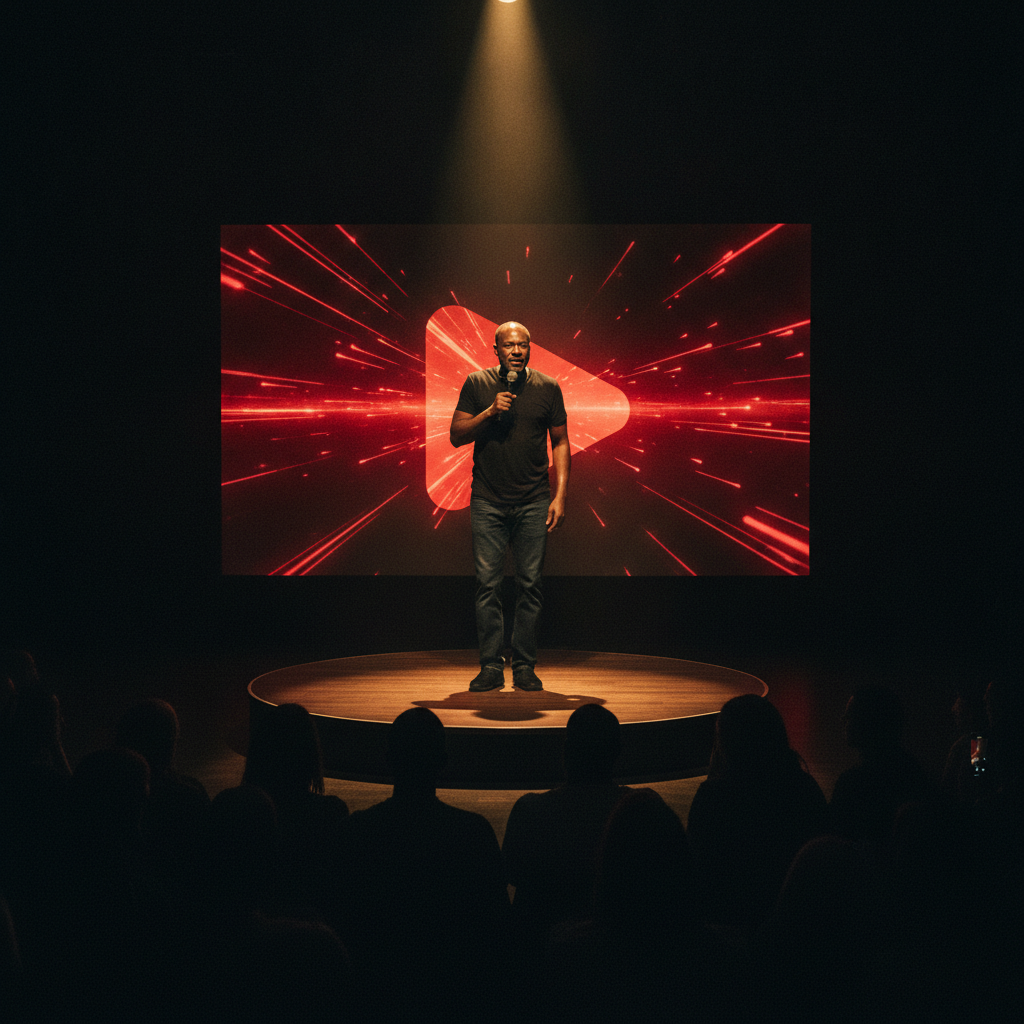
The world of stand-up comedy is experiencing a seismic shift in distribution, and the latest development brings Louis C.K. back into the mainstream fold. This month, a highly anticipated and equally debated stand-up special from the polarizing veteran is making its way to Netflix. Accompanied by a bizarre, unconventional teaser trailer that has already sparked widespread chatter across social media, the upcoming release marks a significant departure from the direct-to-consumer model that has defined the comedian's output over the past several years. Instead of relying solely on an independent website to reach audiences, he is stepping back into the vast, algorithm-driven ecosystem of the world's largest streaming platform.
The promotional material leading up to this Netflix release has been nothing short of absurd, actively leaning into a ridiculous aesthetic that subverts standard comedy marketing. Rather than a polished, high-definition reel of punchlines and roaring crowds, the teaser opts for a disorienting, almost surreal approach that leaves viewers guessing about the actual content of the special. It is a calculated move, designed to generate curiosity and organic word-of-mouth without giving away the core material. This unorthodox marketing strategy highlights a quiet confidence, relying on his established brand of humor rather than flashy production values to draw in viewers. The sheer weirdness of the preview has succeeded in its primary goal: ensuring that the upcoming premiere is dominating entertainment conversations.
In an era where attention is heavily fragmented by short-form video platforms, traditional marketing often falls flat. The decision to release a teaser that borders on the nonsensical is a direct response to this environment. By presenting audiences with something utterly out of left field, it forces a pause in the endless scroll. The teaser does not just advertise a date and time; it creates a memorable, albeit bizarre, visual stamp that lingers long after the video ends. This kind of marketing savvy demonstrates an acute awareness of how digital ecosystems operate today, prioritizing shareability and intrigue over straightforward exposition.
For years, Louis C.K. operated entirely outside the traditional Hollywood and streaming ecosystems. Following widespread controversies that led to a sharp exit from mainstream television and film deals, his focus shifted entirely to grassroots touring and self-publishing. By utilizing his personal website to sell audio and video specials directly to fans—often at a modest, flat price point—a lucrative and highly insulated business model was born. This approach completely bypassed network executives, content moderators, and corporate PR departments, allowing for unrestricted creative control and a direct financial pipeline from the audience. The success of these independent releases proved that a dedicated fanbase could sustain a massive career without the backing of a major network.
However, returning to Netflix signals a shift in both strategy and industry dynamics. The streaming giant has spent the last decade positioning itself as the undisputed home of modern stand-up comedy. By investing hundreds of millions of dollars into exclusive specials, hosting multi-day live comedy festivals, and aggressively courting both rising stars and legacy acts, Netflix has created an environment where comedy is a central pillar of its subscriber retention strategy. In recent years, the company has made it abundantly clear that it prioritizes viewership and engagement above all else, often standing by controversial content and defending artistic expression when faced with public backlash. This corporate ethos makes it the most logical landing pad for a polarizing figure looking to re-enter the mainstream spotlight.
Furthermore, the streamer's commitment to building a comprehensive comedy library means they are constantly seeking titles that will generate high engagement. They have built an infrastructure that rewards bold, conversation-starting content. Live events, roasts, and unedited specials have become regular fixtures, conditioning the subscriber base to expect unfiltered comedic performances. Integrating a previously independent, high-profile comic into this roster is a calculated risk, but one that aligns perfectly with their broader objective of becoming the exclusive destination for all forms of stand-up.
The transition back to a centralized streaming platform also raises interesting questions about the current state of digital media consumption. While the direct-to-consumer model offers unparalleled freedom and a larger share of the profits per sale, it inherently limits an artist's reach to those who actively seek out their work. A subscription-based streaming service, on the other hand, places content in front of millions of passive viewers. The algorithm serves up recommendations, autoplaying trailers on home screens and integrating new releases into trending carousels. For a comedian whose recent work has been siloed away from casual audiences, this represents an opportunity to capture the attention of viewers who might never have navigated to an independent website.
Industry analysts are watching this rollout closely, as it serves as a fascinating case study in reputation management and media cycles. The decision to partner with a corporate giant after years of successful independence suggests a mutual benefit: the platform secures a high-profile, guaranteed traffic-driver, while the comedian gains access to an unparalleled global audience. It is a stark reminder of the cyclical nature of entertainment, where independent ventures often eventually intersect back with mainstream distribution if there is an audience willing to tune in. The boundaries of what corporate platforms will host are constantly shifting, driven primarily by market demand and cultural currents rather than rigid programming rules.
Ultimately, the success of this new special will be decided by the viewers. The ridiculous teaser trailer has done its job in announcing the return and dominating the news cycle, but the true test will be in the streaming numbers and completion rates. As the digital landscape continues to evolve, the lines between independent creation and corporate distribution are becoming increasingly blurred. This month's release is not just a return to a specific platform; it is a testament to the enduring, complicated relationship between stand-up artists, massive media conglomerates, and the modern audiences that consume their work.
0 Comments