
Kayode Jnr Ojuolape and Debby Felix say the new drama Crossroads: The Blueprint grew from experience and vulnerability. The film, which centers on characters forced to make life-defining choices, draws heavily on the pair's personal battles with doubt, family pressure and the practical limits of a creative career. Both the director and the lead actress describe a long process of translating private pain into something that could be seen on screen.
Kayode Jnr Ojuolape, credited with steering the project, explained that the film began as a response to recurring themes in his own life. He found himself returning to moments when decisions had rippled outwards, changing relationships and ambitions. Those moments became the spine of the story. Ojuolape said the task on set was to protect the emotional truth of the scenes while keeping the production moving. He spoke candidly about late nights reworking sequences, the strain of securing funding and the pressure that comes with wanting an authentic portrayal without exploiting real people.
Debby Felix described how the role demanded more than technical skill. For Felix the character was not simply a part to play but a mirror for unresolved struggles. She detailed wrestling with anxiety and the threat of burnout early in her career. Those experiences shaped the choices she made as an actor. Felix said she relied on small rituals to ground herself during shoots, such as brief moments of silence before a take and intentional conversations with the director about what each scene meant emotionally. She credited the collaborative environment fostered by Ojuolape for allowing her to bring vulnerability to the performance.
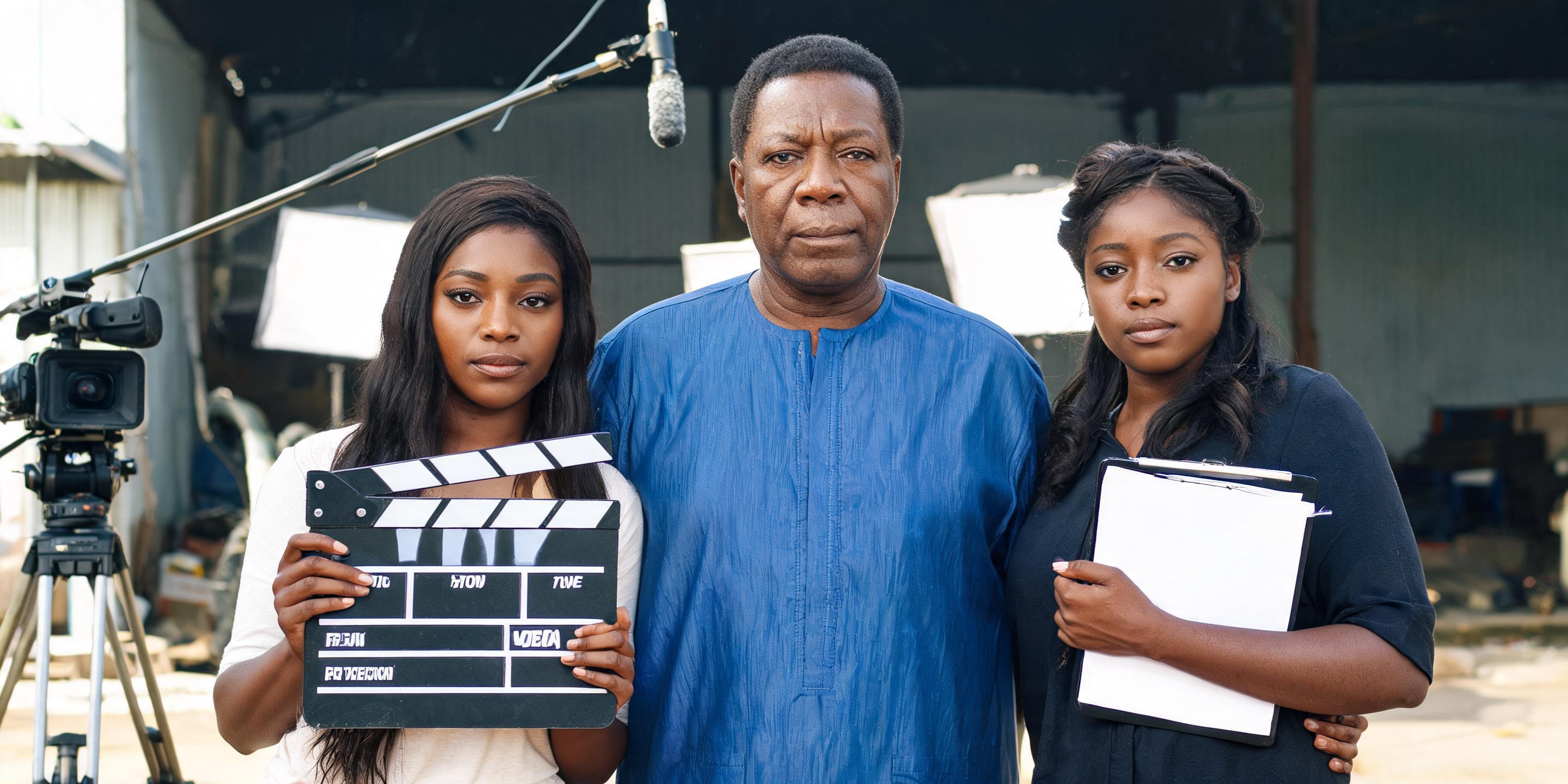
Practical constraints formed another layer to the story behind the film. Budget limits, tight schedules and the logistics of working with a compact crew pushed the team to be inventive. Ojuolape described how financial boundaries informed creative decisions, from location choices to the way a scene was framed. Rather than seeing restriction as a handicap the filmmakers viewed it as a guide. They used intimate settings and focused dialogue to center character development. That approach gave the film a personal feel, placing internal conflict ahead of spectacle.
The creative process also turned inward when confronting family expectations and cultural pressures. Both Kayode and Debby spoke about the tension between pursuing art and meeting social or familial definitions of success. Ojuolape recalled conversations with relatives who questioned his career path and urged him toward more conventional options. Felix shared the experience of balancing personal commitments with the irregular demands of acting. These tensions informed the film's depiction of relationships strained by ambition and fear. Rather than simplifying those conflicts the production aimed to show them as nuanced and ongoing.
Working through these difficulties produced unexpected lessons. Felix emphasized that vulnerability became a source of strength. By channeling her own unease into the character she found emotional honesty that resonated with colleagues and later with early viewers. Ojuolape reflected on how creative collaboration helped him cope with moments of doubt. Listening to cast and crew opened new narrative possibilities and helped keep the story grounded. Both named resilience as a practical skill learned on set, not merely a theme in the screenplay.
Responses from early screenings suggest the film's emotional focus is connecting with audiences. Viewers have highlighted the film's careful attention to character detail and the performances that make ordinary choices feel consequential. Ojuolape and Felix say those responses validate a process that prioritized truth over neat resolutions. They see Crossroads: The Blueprint as less a map to answers and more a confirmation that difficult decisions are part of many lives.
The making of Crossroads: The Blueprint charts a path familiar to many creatives: balancing personal cost with artistic ambition while remaining committed to honesty. Kayode Jnr Ojuolape and Debby Felix turned their own crossroads into material that asks questions rather than offering tidy solutions. The result is a character-driven film that favors internal stakes and quiet intensity. It stands as a record of what can happen when personal struggle becomes a shared starting point for storytelling.
In the end both artists describe a pragmatic optimism. They acknowledge the sacrifices involved in making work that matters and also the quiet rewards of connecting with viewers. For audiences the film offers insight into choices people make under pressure. For the filmmakers it represents a stage in an ongoing career shaped by resilience and a willingness to bring hard truths to light.




0 Comments