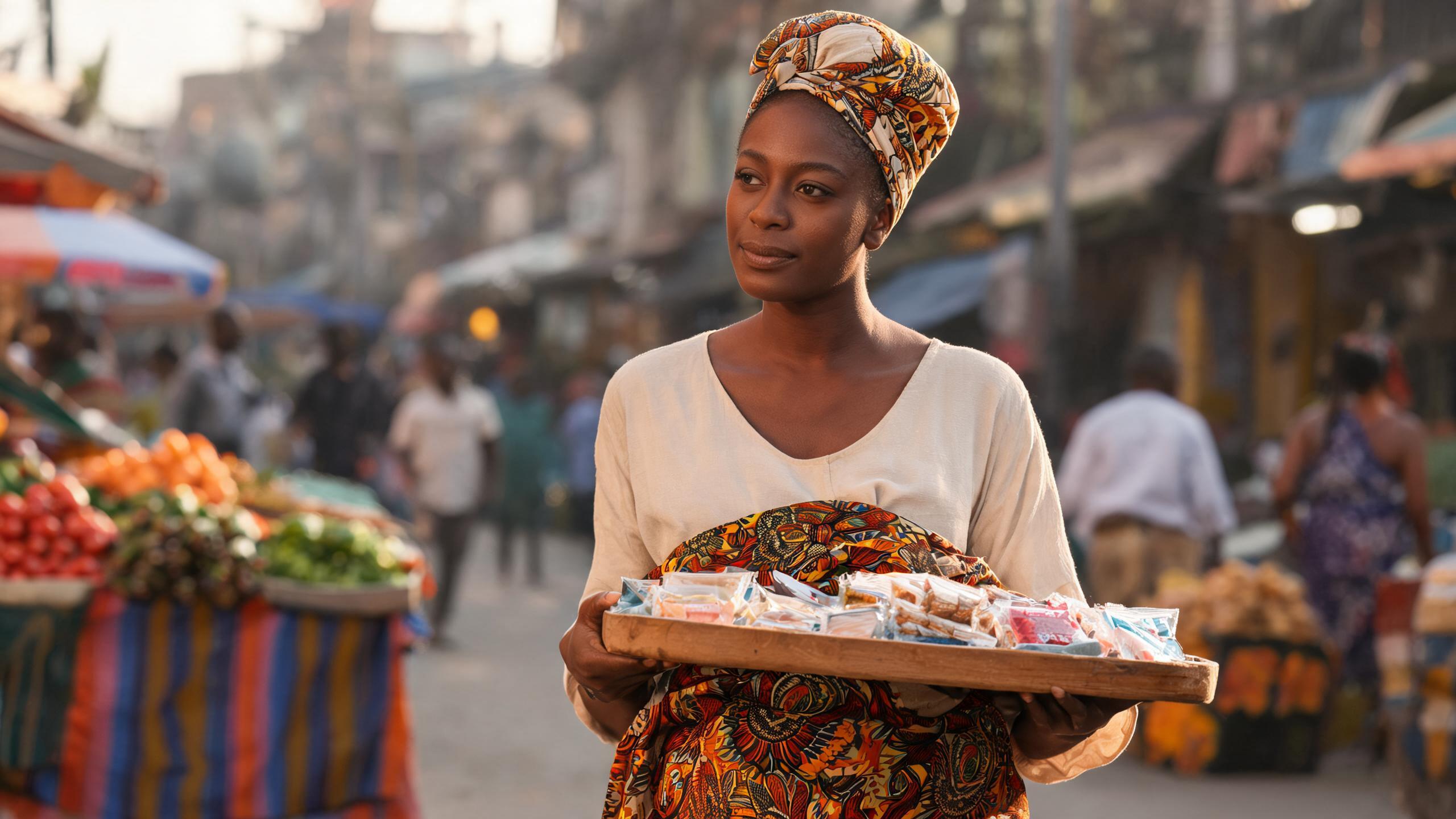
Jumoke Omojola has described her role in the new drama On The Move as more than an acting challenge. For her, the part tapped into a lived history of selling goods on busy streets, an experience she says shaped how she moves, speaks, and reads people. The result is a performance shaped by memory, craft, and the everyday realities of informal work.
Omojola grew up selling items on the street, a chapter of life she has not hidden but rather framed as formative. Those early years involved long hours, early starts, and constant negotiation with a changing urban rhythm. On set, she relied on these memories to inform small but telling details: the pace of her character s walk, the cadence of conversation with customers, and the economy of gesture when a scene called for restraint. She explains that those habits become second nature and translating them to camera allowed the character to feel lived in rather than performed.
The film On The Move places the story of everyday survival at its center. Omojola s portrayal anchors the film s focus on resilience and the human cost of informal labour. Her approach emphasized observation over imitation. Rather than merely recreating a type of behaviour, she says she tapped into the emotional logic behind it the ways practical choices are tied to dignity, family obligations, and personal hopes. That emotional grounding is evident in scenes where small actions register with unexpected weight: a silent exchange between seller and buyer, a protective glance, or the weary smile of someone who will keep going despite setbacks.
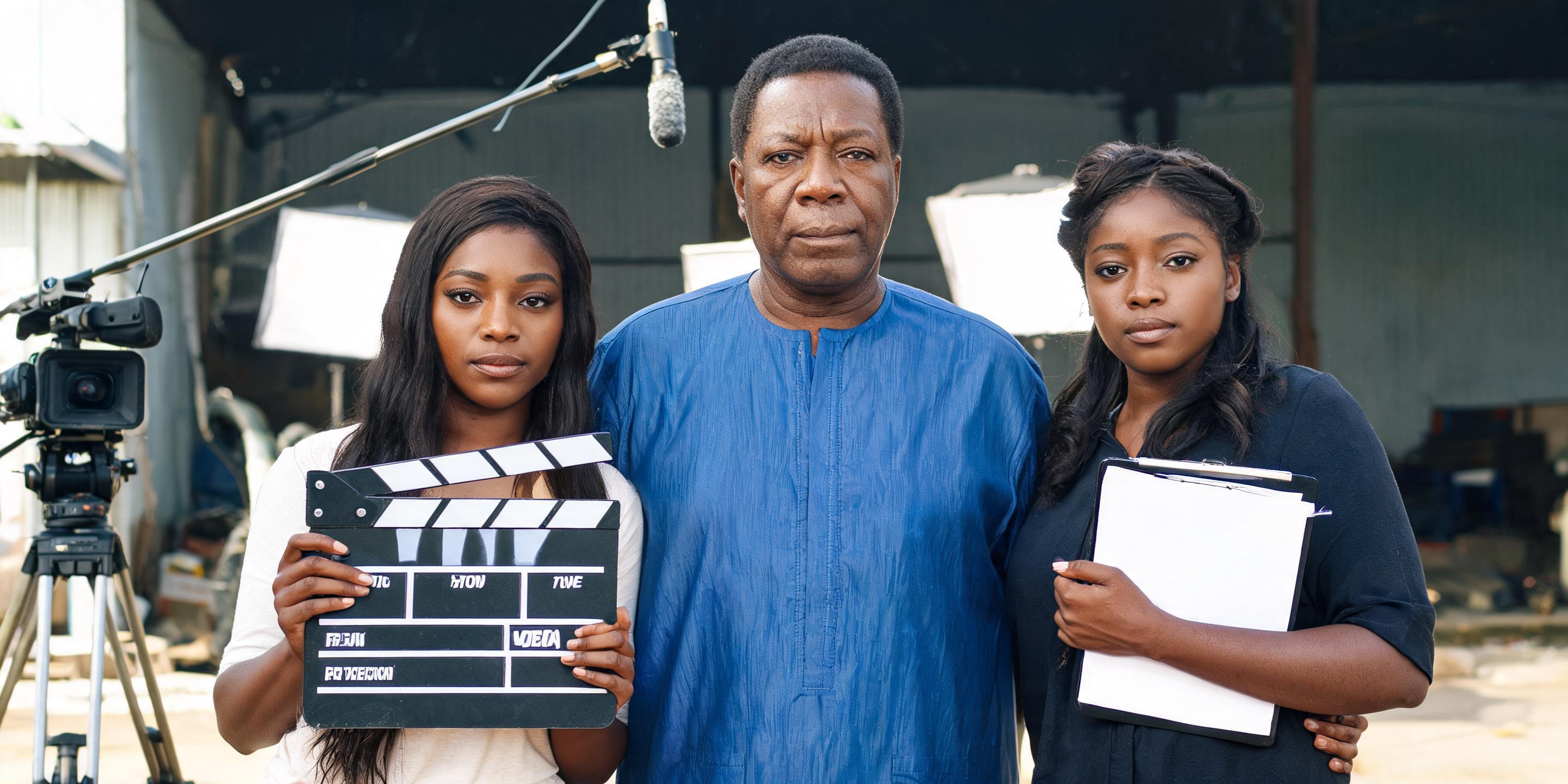
On set, the production team leaned into realism. Location shoots in bustling street markets and busy intersections required flexibility and attention to detail. Costuming and props were handled to reflect authenticity rather than romanticise hardship. Omojola collaborated closely with the wardrobe and dialect teams to shape the visual and vocal parameters of her character. Makeup and clothing choices aimed to show the physical toll of daily labour while avoiding caricature. The result is a textured portrayal that acknowledges the labour behind a public presence without turning the character into a symbol.
The casting choice for this role highlights an ongoing interest among filmmakers in rooting performances in experience. Directors and producers who favoured authenticity saw Omojola as someone who could translate real-world knowledge into nuanced character work. This alignment between performer and role created space for improvisation during rehearsals and filming. Local vendors and passersby who witnessed shooting remarked on the convincingly natural interactions, a sign that the portrayal resonated beyond the crew and cast.
Audience reaction has been notable for its focus on realism. Viewers familiar with market life have praised the film for portraying the fine-grained dynamics of street commerce, while others have said the performance opened a new window into the endurance that underpins daily livelihoods. Critics have pointed out how bringing these stories to screen contributes to a broader cultural record, one that records the lives of people often absent from major narratives.
For Jumoke Omojola, the role is part of a career that has moved between different types of projects. Early roles helped her build craft and visibility. This latest performance is being read as both a personal statement and a professional milestone. By turning past labour into artistic insight she demonstrates how an actor s biography can enrich interpretation and deepen audience engagement.
Casting lived experience in dramatic roles raises questions about representation and responsibility. Filmmakers and actors who draw on real-life backgrounds must balance authenticity with respect. Omojola s approach leaned into collaboration with production departments to ensure that authenticity did not become exploitation. In interviews she stressed the importance of telling stories that feel truthful without reducing people to their economic status.
The film also contributes to conversations about visibility. Stories about street hawkers and informal labourers complicate broader media portrayals by bringing detail and personal motivation into view. These narratives refuse one-dimensionality and instead present subjects as individuals acting within systems, making choices even when options are limited. In On The Move, the camera lingers on practical details because those details are also the language of survival.
Omojola s performance offers a study in how memory fuels craft. Drawing from past experience allowed her to make deliberate choices about rhythm, posture, and speech that register as honest rather than scripted. The film invites audiences to witness a world that many know intimately and others may be seeing for the first time. In this way the performance works on two levels: as a portrait of a character s personal life and as a contribution to a larger cultural conversation about work, dignity, and resilience.
In the end, On The Move stands as an example of contemporary filmmaking that seeks to bridge personal biography and storytelling. Jumoke Omojola s decision to draw on her past as a street hawker shaped a performance notable for its subtlety and empathy. The film s attention to ordinary labour and the people who perform it offers viewers a closer view of the everyday decisions that shape lives. That closeness is the film s strength and Omojola s contribution to it is unmistakable.


0 Comments