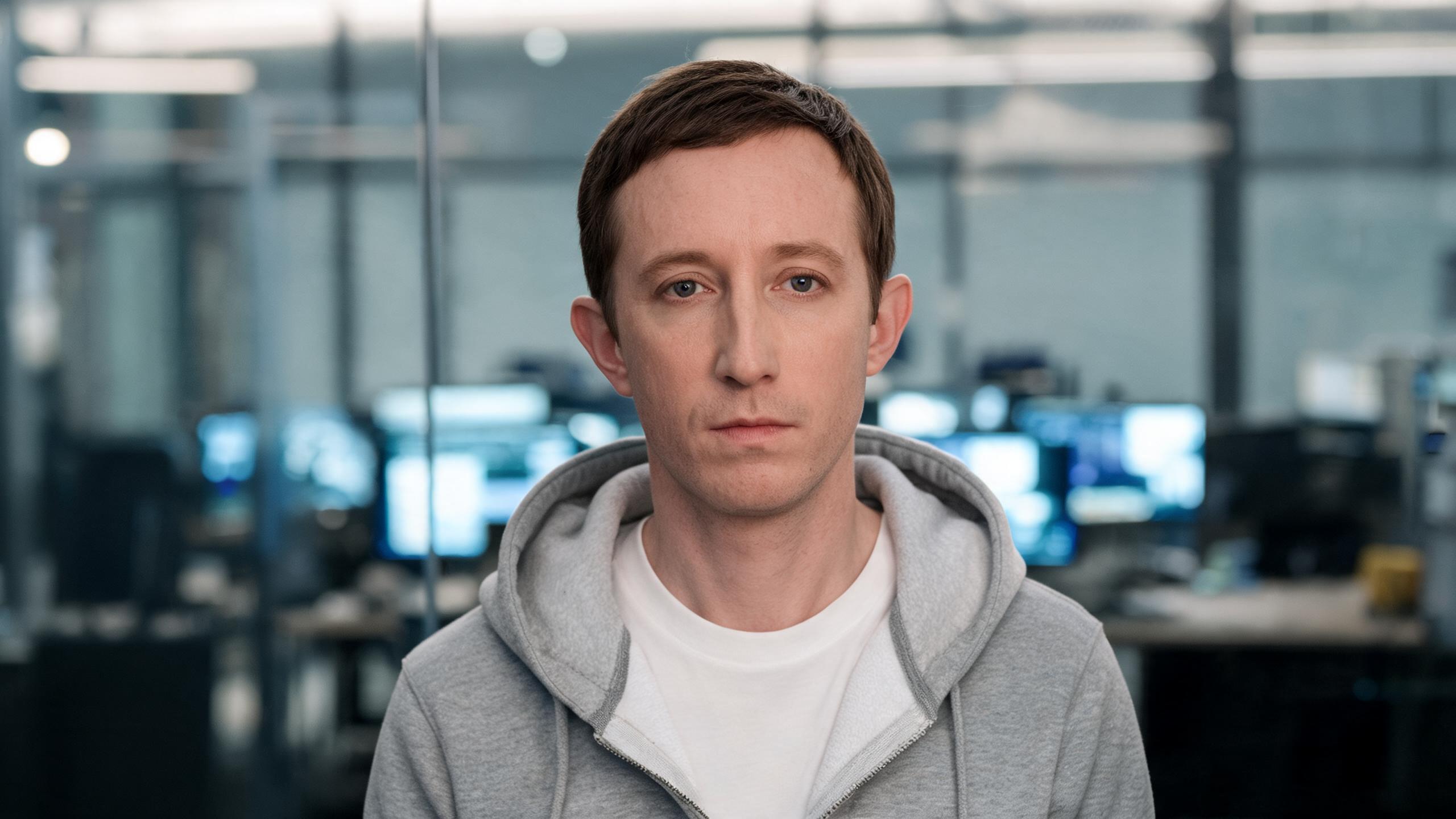
Jeremy Strong has taken an unusual step in preparing to play a high-profile contemporary figure. The actor, best known for his intense work on television and film, reached out directly to Mark Zuckerberg to make clear that he treats the role in the upcoming series The Social Reckoning with deep seriousness and care.
The outreach highlights how production teams and performers are navigating portrayals of living public figures in an era when audiences expect both dramatic tension and factual sensitivity. Jeremy Strong is joining a project that aims to dramatize events surrounding the rise and controversies of a major social media company. His decision to contact the person at the center of the story reflects the responsibilities artists feel when representing real people whose actions have wide social impact.
Strong’s choice is notable because actors take a variety of approaches when embodying real individuals. Some pursue direct contact to invite feedback or context. Others rely on archival footage, reporting, and the guidance of writers and directors. In this case, the email to Mark Zuckerberg was designed to reassure the subject that the role would not be treated lightly and that the portrayal would be informed and respectful of the complexity of the events being dramatized.
The process of turning recent history into narrative drama requires careful navigation of sources and perspective. Creative teams must balance the demands of storytelling with the responsibility to avoid misrepresentation. For an actor, that means intense preparation. Jeremy Strong has a reputation for immersive research and methodical character work, qualities producers hoped would serve a sensitive assignment. His outreach can be read as part of that preparation, an attempt to open a line of communication even while the series remains an independent creative interpretation.
Reaching out does not in itself determine the final form of a production. Access to a subject can shape costume, mannerisms, or private details that deepen a portrayal, but it may also raise questions about creative freedom. Producers and writers must weigh any direct input against the needs of the narrative. The degree to which a living individual participates in a dramatization varies widely from project to project. Some engage closely and provide substantial cooperation. Others decline involvement and the drama proceeds without sanctioned consultation.
Public reactions to portrayals of recent events are often immediate and fervent. Audiences are interested in authenticity, but they also expect dramatic coherence. The Social Reckoning faces the dual task of telling a compelling story while remaining attentive to real-world implications. Casting Jeremy Strong signals an intention to foreground performance and character complexity. Whether the production will follow the path of strict factual recreation or employ artistic compression and fictionalized scenes will become clearer as trailers and episodes are released.
A direct outreach to a subject can be a gesture of respect. At the same time it can be a practical effort to reduce misunderstandings and legal concerns. In many jurisdictions, dramatic works have legal protections, but missteps in representing living people can invite public debate. By communicating early, an actor may aim to head off misperceptions and to acknowledge the human elements behind headlines and litigation.
This episode also underscores a broader conversation about how contemporary art engages with public life. Dramatic retellings of recent corporate and technological controversies engage audiences in questions about leadership, responsibility, and the social consequences of innovation. They can also prompt reflection on how media shapes public understanding. Casting and performance choices play a central role in framing that conversation for viewers.
As The Social Reckoning moves toward release, attention will turn to how closely the series hews to documented events and how much latitude it takes in dramatizing them. Jeremy Strong’s approach suggests the production team is at least attentive to the ethical dimensions of portraying real people. Ultimately viewers will judge whether the performance and the series offer a thoughtful examination of the issues at stake.
The decision to reach out to Mark Zuckerberg is a detail in the larger story of how contemporary storytellers handle high-stakes subject matter. It is a reminder that dramatizations of living figures involve both craft and conscience. For audiences, the key question will be whether the result delivers a compelling and credible account that informs as well as engages.
Roundup
Actors portraying living public figures face a tightrope between dramatic necessity and careful representation. Jeremy Strong’s email to Mark Zuckerberg signals a conscientious approach that prioritizes research and sensitivity. As the series arrives, critics and viewers will look for performances that respect complexity while offering a clear narrative. The ultimate measure will be whether the drama deepens public understanding of recent events without sacrificing the demands of storytelling.








0 Comments