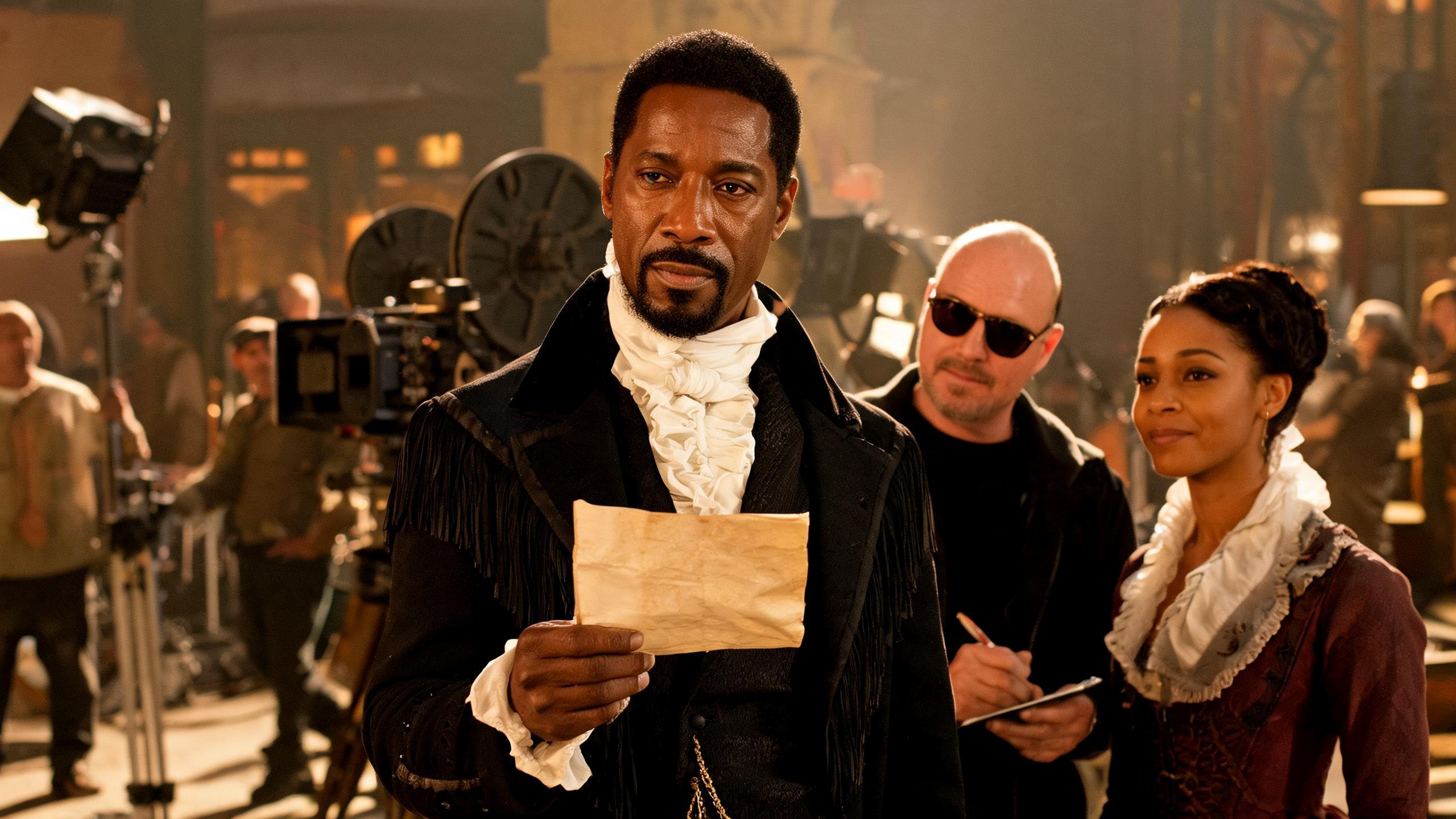
During the making of Django Unchained, an unexpected intervention by actor Jamie Foxx altered a key moment in Quentin Tarantino's script. Kerry Washington, who played Broomhilda von Shaft, recently recounted how Foxx persuaded the director to remove a scripted rape scene involving her character. The decision reshaped the narrative focus and highlighted a collaborative moment in the creation of a widely discussed film.
Kerry Washington described the scene as originally scripted and intended to show additional brutality inflicted on Broomhilda by her captors. Washington said the planned sequence would have involved sexual violence as part of a punishment. Jamie Foxx, who portrayed Django, raised objections. He believed the scene was both unnecessary for the story and damaging to the dignity of Washington's character. Washington said Foxx took the studio of this concern directly to Tarantino and argued for cutting the material.
Quentin Tarantino agreed to reconsider the sequence after the conversation. The director is known for writing scenes that test the limits of on-screen violence. In this instance, Tarantino accepted Foxx's argument and removed the scene from the final cut. Washington has expressed gratitude for the choice, saying it spared her character a depiction she did not want to enact and that it preserved a specific tone she and the filmmakers were trying to maintain.
The change did not remove other depictions of brutality from the film. Django Unchained remains a movie that addresses slavery and violence in blunt terms. What shifted was how that violence was framed. The decision to avoid depicting a scripted sexual assault made the film less explicit in one respect, while leaving intact other representations that proved controversial for some viewers. Washington described the moment as one where the actors and director negotiated the moral and emotional limits of what the story required.
This episode illuminates the practical dynamics on set. Actors sometimes advance concerns about how scenes will affect their characters and their own well-being. Directors face choices about whether to preserve a written vision or adapt to collaborators who feel differently. In this case, the conversation emerged from a place of protection for a performer rather than a broader production mandate. Foxx argued that the scene would not add to the narrative arc and would do harm instead. Tarantino listened and adjusted.
The removal is also a reminder of the many edits that happen between script and screen. Films often evolve through rehearsal, conversation and test viewing. Even writers and directors who have strong artistic instincts can change course after hearing a co-star's perspective. Washington’s recollection underscores how a single intervention can have ripple effects for how audiences experience a film. It also puts a spotlight on the sometimes invisible labor that actors do to shape their portrayal and protect each other.
Public responses to Django Unchained have been multifaceted since its release. Praise has focused on performances and storytelling, while criticism has addressed portrayals of violence and the responsibilities of filmmakers handling sensitive historical subjects. The deleted scene now becomes part of the film’s production story, a behind-the-scenes moment that informs discussions about ethics in cinematic representation.
For Washington, the choice was personal. She has described feeling relieved that she did not have to perform a sexualized or degrading act that would have been traumatic to portray. For Foxx, the act of speaking up was an expression of solidarity with a fellow actor and of judgment about the scene's necessity. For Tarantino, the change demonstrates a willingness to revise his own material in response to a persuasive argument from within his cast.
The decision also raises questions about how violence is used in storytelling. Filmmakers weigh realism and impact against the risk of inflicting unnecessary harm. Scenes that depict sexual violence provoke additional concerns because of their emotional weight and the potential for retraumatization of performers and audiences. The Django episode is a case where those considerations altered a director's plan.
The conversation among Washington, Foxx and Tarantino offers a snapshot of collaborative filmmaking. It shows how actors can influence a project beyond performance and how directors can adapt when presented with a strong ethical argument. The deleted scene will remain part of the film's backstory, a reminder that what appears on screen is the product of many negotiations.
Roundup opinion
The removal of the scripted rape scene from Django Unchained is a notable instance of artistic course correction. It reflects care for an actor's dignity, an awareness of storytelling consequences and a director's capacity to listen. Such moments do not erase the film’s challenging subject matter, but they do shape how that subject matter is presented. In the end, the production decision behind Django highlights the ongoing, sometimes difficult balancing act between narrative intent and humane consideration during filmmaking.
0 Comments