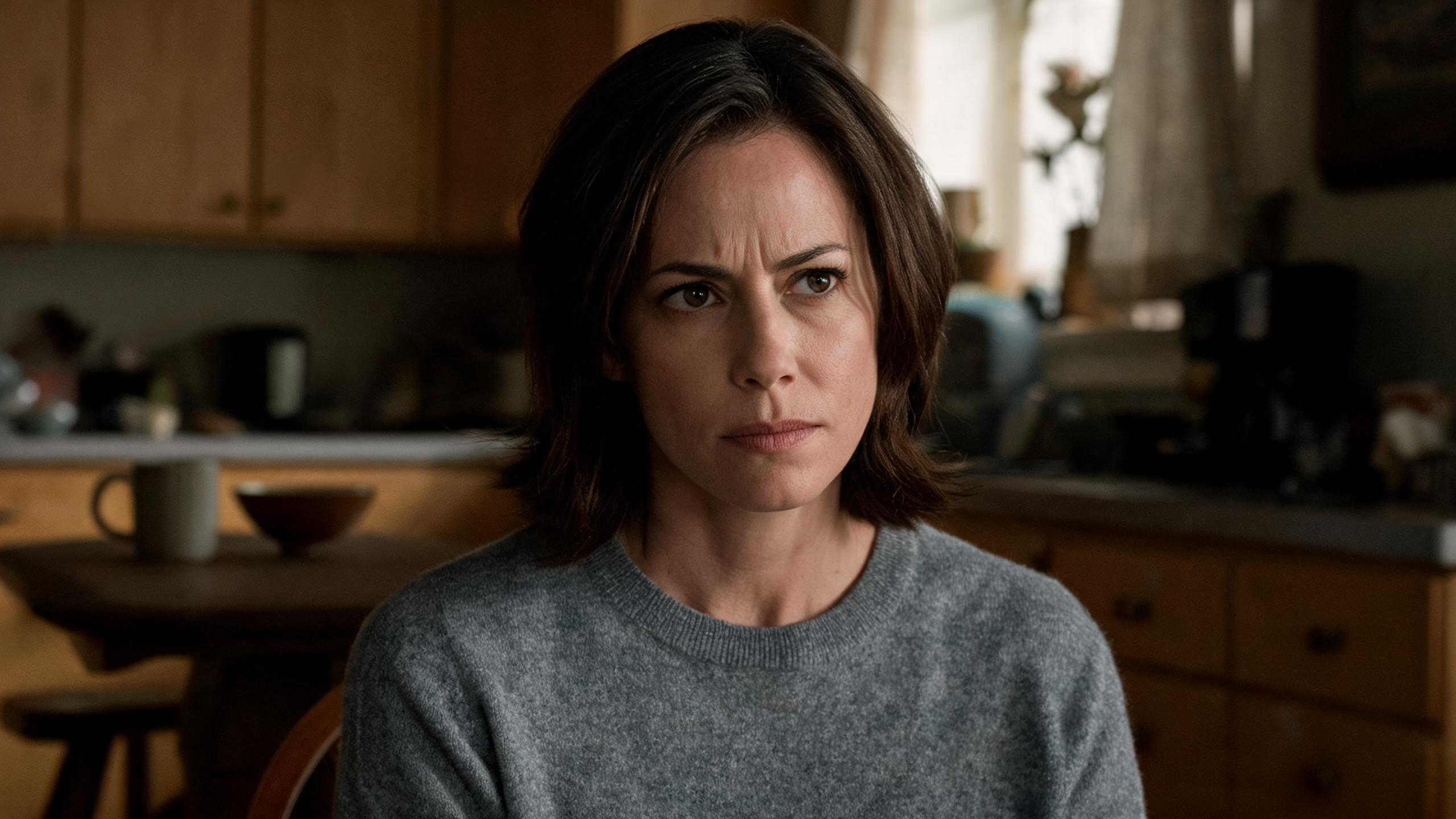
When The Americans concluded its six-season run in 2018, viewers were left with an image of espionage that felt intimate and unsettling at the same time. The series followed Philip and Elizabeth Jennings, played by Matthew Rhys and Keri Russell, as deep cover agents navigating the messy intersections of marriage, parenthood, and political duty. Over the years the show has come to be seen not just as an excellent spy thriller but as a template for character-driven, morally complex television.
At the center of The Americans was a deliberate refusal to rely on spectacle. Creator Joe Weisberg and executive producer Joel Fields built a show that traded car chases and gadgetry for slow-burning tension and domestic detail. The series emphasized conversations at kitchen tables, the exhaustion of living a double life, and the way espionage warps personal bonds. That aesthetic made the dangers of their world feel more immediate because the threat lived inside homes rather than in faraway action set pieces.
The performances of Keri Russell and Matthew Rhys were essential to that shift. As Elizabeth and Philip Jennings they carved roles that balanced ideological conviction and private doubt. Their work earned critical recognition across award circuits. Matthew Rhys won an Emmy for Outstanding Lead Actor, and both actors drew repeated nominations that highlighted an industry that is increasingly recognizing subtle, sustained acting in long-form television. The emphasis on nuanced performances reinforced the idea that awards bodies were responding to television that rewards slow evolution over instant gratification.
Behind the scenes the show’s authenticity was notable. Weisberg’s background and the careful consulting the series used lent a procedural credibility that did not overpower the human stories. Small technical details were never highlighted for their own sake. Instead they served the main narrative: how people act when everything they know about themselves is a constructed identity. That focus has had an impact. Later series that aim for realism in the espionage genre have adopted The Americans’ attention to the mundane elements of spycraft while also foregrounding characters whose private lives complicate their missions.
This influence is visible in multiple ways. Modern spy and political dramas increasingly favor multi-episode arcs and moral ambiguity over episodic resolutions. Writers now often treat personal relationships as sources of tension rather than mere backstory. Directors borrow The Americans’ visual language as well, favoring dimly lit interiors, restrained camera movement, and scenes that allow actors to carry emotional weight through silence and gestures. Streaming platforms and premium cable networks responding to audience appetite for dense, serialized narratives have given showrunners more space to let character-driven stories breathe.
The show also influenced how television discusses loyalty and identity. Rather than presenting espionage in binary terms, The Americans examined how ideology, family, and survival can pull characters in different directions. Contemporary writers and producers have echoed this complexity, building antagonists and protagonists whose motivations demand audience empathy even as their actions provoke discomfort. In doing so the series helped shift expectations about what an espionage story can be and how it can sustain interest across multiple seasons.
For the actors who brought the series to life, the show opened new professional doors while cementing their public profiles. Matthew Rhys’s Emmy win affirmed the impact of long-form acting that accumulates subtle choices across episodes. Keri Russell’s portrayal of Elizabeth remains a touchstone for discussions of leading roles that combine toughness with vulnerability. Both performers have remained present in television and film since the show ended, and their work on The Americans continues to be referenced when assessing contemporary acting in dramatic series.
Roundup opinion: The Americans did more than tell the story of two spies masquerading as a suburban couple. It recalibrated expectations for how trust, betrayal, and ideology can be dramatized on television. Its influence shows up in the pacing of new spy dramas, the industry's willingness to reward slow-burning performances, and a broader appetite for stories that let domestic life reveal political stakes. Years after its finale, Philip and Elizabeth Jennings still serve as a benchmark for creators who want to merge the intimate and the geopolitical without sacrificing either. The series’ legacy is visible in the way current shows make room for character complexity and in the continuing conversations about actors whose work unfolds over seasons rather than single episodes.
0 Comments