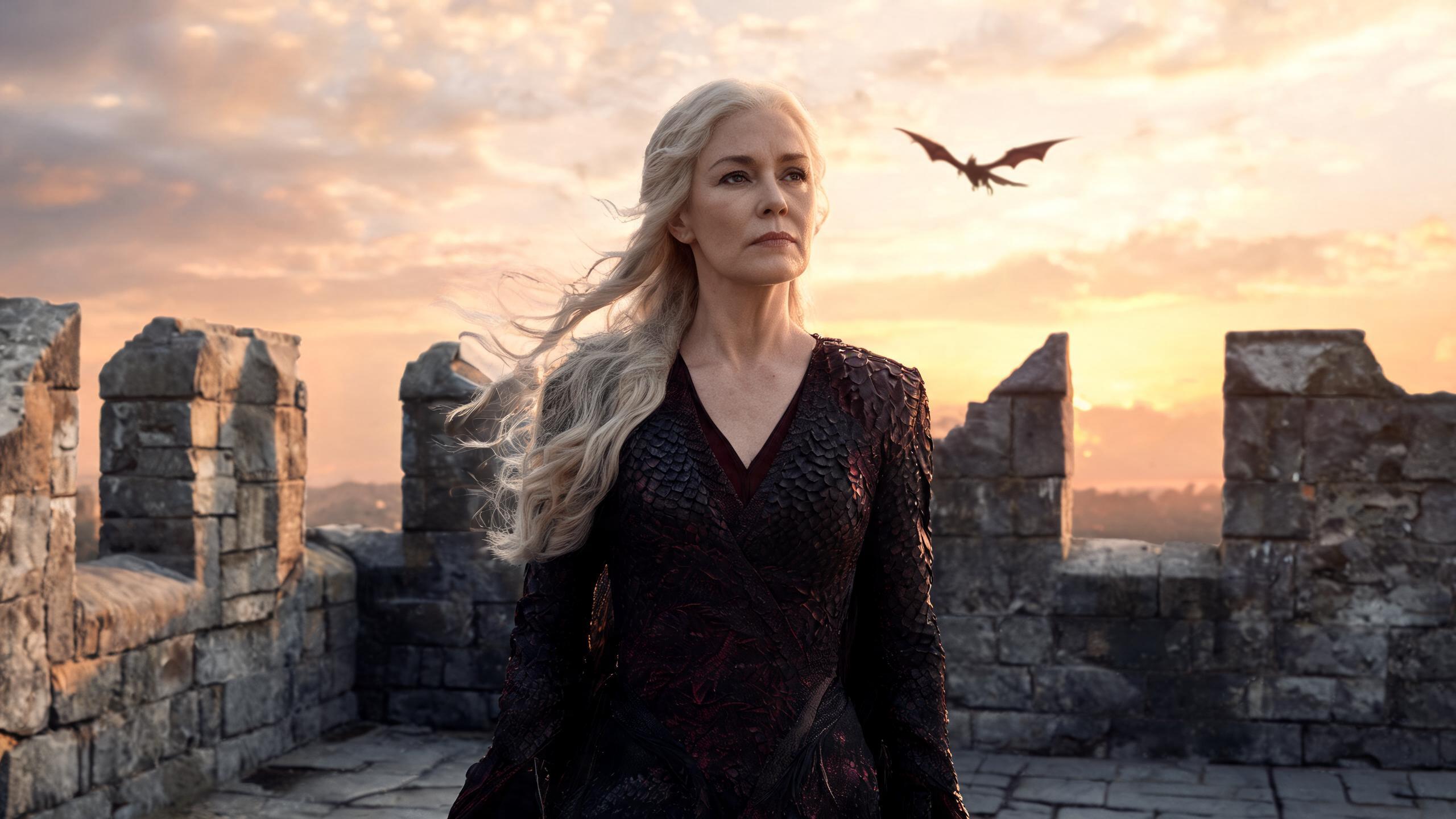
As House of the Dragon approaches the season 3 finale, the series has left a complex trail of alliances, betrayals and scenes that pushed both characters and dragons to their limits. This retrospective gathers the strands our coverage has followed across weekly recaps, cast conversations and behind-the-scenes reports to sketch a clear picture of how the season reached its high-stakes conclusion and what remains in play.
Early episodes returned the show to its strengths: the slow tightening of political pressure and intimate character work. Recaps chronicled how Rhaenyra Targaryen’s choices have drawn lines across the realm, testing loyalties within the Targaryen family and among the great houses. Similarly, coverage paid close attention to Daemon Targaryen’s volatility, which continues to shape battlefield outcomes and private alliances. Those chapter-by-chapter reflections highlighted the small moments of personal negotiation that often carried as much weight as public proclamations.
Performance and casting were central to our interviews with the ensemble. Actors discussed how they approached the shifting moral terrain of their characters and how wardrobe, makeup and direction helped carry narrative beats beyond dialogue. Conversations with the cast emphasized the emotional undercurrent that fuels the show’s larger conflicts. Viewers who have followed the episode recaps will recognize how recurring private confrontations—family councils, whispered threats and quiet reconciliations—have become the season’s backbone.
The season leaned heavily on visual storytelling, and our technical breakdowns noted how production design, dragon effects and cinematography evolved this year. Dragon sequences drew particular attention, not simply for spectacle but for the way they underscore character intention. The placement of dragons in frame, the choice to focus on a rider’s expression before a flame is loosed, and the interplay of set pieces all contributed to episodes that felt both operatic and intimate. Sound design and music were singled out in coverage as crucial to maintaining emotional continuity across scenes of brutal action and hushed plotting.
Writers and directors contributed to the season’s tonal shifts, and transcripts of creative conversations provided insight into scene construction. Showrunners have navigated a balance between large-scale confrontations and quieter episodes that let character decisions resonate. Our preview conversations with the creative team—covering motivations, scene priorities and adaptive choices—explained why certain narrative detours were taken and how the finale’s groundwork was established early.
Plotlines involving secondary houses continued to ripple through the main arc. Coverage outlined how the politics of houses like Velaryon and Hightower amplified the central conflict and supplied rich backdrop material. Those episodes explored questions of legacy, succession and the price of ambition, keeping the focus on the human cost of dynastic warfare. Recaps emphasized moments where secondary characters unexpectedly shifted the power balance, underscoring how the show uses its ensemble to complicate straightforward throne-room storytelling.
Fan theories and critical analysis played a role too. Our commentary catalogued recurring viewer theories while tracking which sustained scrutiny and which were quietly set aside by the writers. Some episodes prompted re-examination of earlier scenes, revealing subtle foreshadowing in costume choices or line reads. That close reading of detail fed anticipation for the finale, as audiences weighed which unresolved threads were most likely to be closed or expanded.
Interviews with actors also touched on the emotional aftermath of key scenes. Performers described the physical and psychological demands of action sequences and the challenge of sustaining nuance when stakes climb. Those conversations provided context for the finale by showing how character arcs were deliberately calibrated across the season. Directors discussed staging choices that gave actors room to find private beats within public moments, reinforcing the idea that the show’s momentum depends as much on intimate human exchange as on spectacle.
As viewers head into the season 3 finale, several questions remain: which alliances will prove durable, how the show will balance justice and survival, and what cost the pursuit of power will exact on central players like Rhaenyra and Daemon. Our coverage suggests the finale will aim to resolve key conflicts while leaving enough friction for future storytelling.
The season’s arc has been a study in escalation and consequence. From the slow-burn plotting highlighted in recaps to the personal revelations shared in interviews, the build-up to the finale emphasizes character-driven stakes as much as battlefield drama. The coming episode will not only test the alliances formed this year but also reveal how the creative team intends to carry forward the series’ emotional and political throughlines. For long-time viewers and newcomers alike, the finale promises closure on certain fights and new openings for stories yet to come.



0 Comments