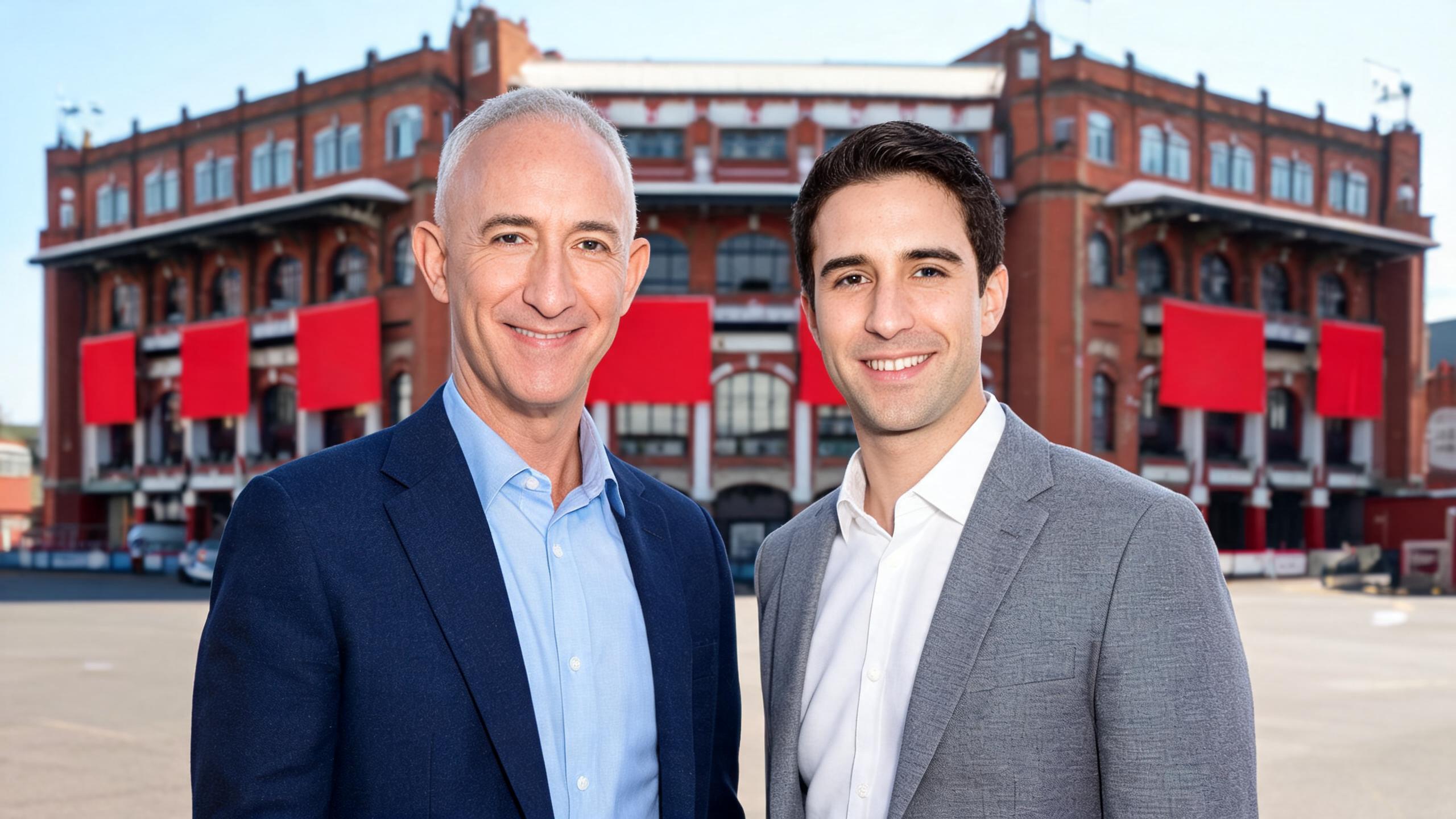
Jeff Bezos and Eduardo Saverin are reported to be set to buy into Liverpool Football Club in a move that could reshape the finances and global strategy of one of English football's most recognised teams. The approaching transaction, described in multiple reports as nearing completion, would mark a notable expansion of tech and venture capital investment into top tier football in England.
Jeff Bezos is widely known as the founder of Amazon and an investor with interests spanning space, logistics and media. Eduardo Saverin co-founded Facebook and later became a venture capitalist and angel investor with significant interests in technology and startups. Their potential involvement in Liverpool would bring together substantial financial firepower and global business experience aimed at growing the club's commercial operations and international reach.
Liverpool FC is among the most successful clubs in English football history, with a large global following and a long list of domestic and European trophies. The club is currently held by Fenway Sports Group, which has overseen a period of on-field success and commercial expansion since acquiring the club in 2010. Reports indicate that the investment would not necessarily mean a change of primary ownership, but rather a significant new capital injection through the sale of an equity stake.
The arrival of high profile investors such as Bezos and Saverin is likely to focus attention on several strategic priorities. First is commercial growth. Liverpool already has a strong brand with international sponsorships, merchandise sales and broadcast deals. New capital could be used to accelerate digital initiatives, improve global marketing and expand the club's commercial partnerships, particularly in markets across Asia and North America.
Second is the footballing side. Investment often creates expectations that a club will increase its transfer budget and strengthen infrastructure. That may involve upgrades to training facilities, youth development programmes and data analytics capabilities. Any immediate impact on transfer spending would depend on the terms of the investment, the level of control granted to new investors and the club's long term financial planning aligned with Premier League and UEFA rules.
Third is stadium and matchday experience. Liverpool plays at Anfield, a ground with deep history and strong fan connection. Past discussions about stadium expansion highlight how capital could be directed to improve capacity, hospitality and fan engagement. Investors with technology backgrounds may also push for innovations in ticketing, digital content and global fan services to create new revenue streams.
Fan reaction to news of outside investors has historically been mixed across English football. Supporters often welcome the prospect of greater investment to help their club compete, while also watching closely for assurances that the club's identity and local connections will be preserved. Liverpool's supporter base is particularly engaged and vocal, and any significant change in the club's ownership structure is likely to prompt debate among fans, local stakeholders and civic leaders.
There are regulatory and governance considerations that accompany high value investments in Premier League clubs. Approvals and due diligence processes can take time, and any deal will be subject to rules designed to maintain financial fair play and competitive balance. Observers will be looking for clarity on the shareholding structure, decision making roles and the strategic plans that new investors would bring to the club.
If the deal moves forward, it will reflect a continued trend of technology and global capital finding a place in elite sports. That trend has brought fresh resources and new ideas to clubs around the world, while also raising questions about priorities and long term stewardship. For Liverpool, a club with a rich history and wide global appeal, the entrance of investors like Jeff Bezos and Eduardo Saverin would be a major development that combines commercial opportunity with careful scrutiny.
As details continue to emerge, timelines and exact terms remain the key outstanding elements. Supporters and stakeholders will monitor the process closely to understand how new investment would be deployed and what it means for the club's future ambitions on and off the pitch. The deal, if completed, would add a new chapter to Liverpool's story and underline how global finance continues to shape modern football.
Roundup view
The news that two major technology era investors are poised to buy into Liverpool FC underscores how elite football clubs sit at the intersection of sport, global branding and investment. The potential benefits include expanded commercial reach, upgraded infrastructure and enhanced digital engagement. At the same time, careful governance, respect for the club's traditions and transparent plans for fund deployment will determine how positive the outcome is perceived. For Liverpool supporters, the priority remains sustained success on the field paired with stewardship that honours the club's heritage and community roots.







0 Comments