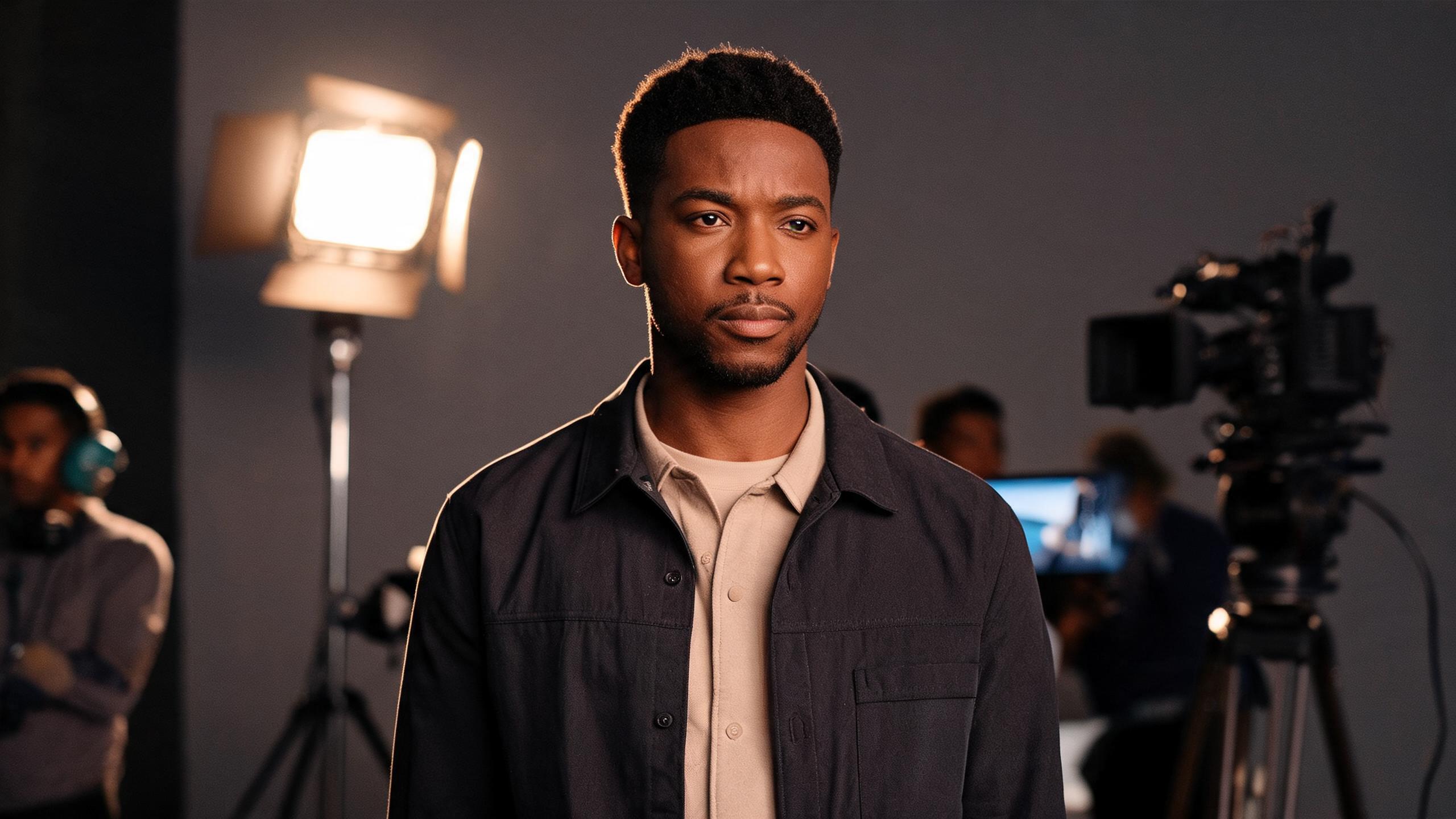
Emmanuel Iren has revealed that his latest feature, Meltdown, went through an unusual production process - the film was effectively shot twice. The director says the decision to reshoot large portions of the film came from a desire to rework the story's emotional core and to sharpen the performances. As part of that creative recalibration, Timini Egbuson was brought into the project in a new role.
Iren described the experience as a process of discovery. After completing an initial shoot, he and his creative team reviewed the material and decided the film was not communicating the intended arc. Rather than patch the problems in editing, they opted to return to set, retell crucial scenes, and alter narrative beats. The goal was to preserve the original vision while improving pacing, tone, and character dynamics.
Reshoots are not uncommon in filmmaking, but shooting an entire film or significant portions of it twice is rare. Iren framed the decision as one made in service of the story. "We realized that the emotional through-line needed to be more precise," he explained. "It was important to me that the audience felt what the characters were going through in a direct way." That emphasis on clarity and emotional fidelity guided the choice to rework the material.
Timini Egbuson's addition came during the second phase of production. Iren noted that after reassessing the film, he saw an opportunity to strengthen the ensemble by introducing a fresh presence. Timini was offered a role crafted to support the revised narrative, and he accepted. His involvement prompted the team to reshoot scenes that would integrate his character into the existing story world.
Egbuson is known for his versatility and the energy he brings to his roles. In Meltdown, he joins a cast that navigates complicated emotional terrain. Bringing a new actor into a project midstream changes the dynamics on set and in the editing room. Iren said the team worked deliberately to ensure that the new material meshed with what remained from the original shoot. The director emphasized collaborative problem solving between cast and crew, noting that chemistry is built as much in rehearsal and on set as it is in planning.
The decision to reshoot had practical consequences. Returning to set required additional scheduling, coordination with cast and crew, and budgetary adjustments. Iren acknowledged those challenges but framed them as part of the creative investment. "There is always a cost, but we felt it was necessary to achieve what we set out to do," he said. The team balanced logistical pressures with an eye toward delivering a cohesive final film.
Technical issues were part of the calculus as well. Iren mentioned wanting to reframe certain scenes visually and to take advantage of different camera setups that better served the storytelling. The second shoot allowed for new lighting approaches, camera movement, and staging. Those changes aimed to create a more consistent visual language across the film and to support the emotional beats of the script.
Meltdown's thematic focus centers on personal crisis and relationship strain. The director sought to avoid melodrama while maintaining intensity, a delicate balance that influenced the choice to reshoot. Rather than tightening the film into a shorter runtime, Iren used the reshoots to deepen character moments and clarify motivations. The addition of Timini Egbuson was part of that strategy; his role was meant to add texture and new angles to existing conflicts.
Industry observers will note that such a process requires clear leadership and trust from producers and financiers. Iren said the production team remained committed to the film throughout the revisions, indicating a shared belief in the project's potential. The director credited the cast and crew for adapting quickly to changes and for contributing ideas that improved scenes during the reshoot period.
With principal photography concluded, including the second pass, Iren and his editors are now in post-production. The director expressed cautious optimism about the film's prospects and said the team is focused on polishing sound design, music, and editing to match the refined structure established during the reshoots. Timelines for release have been adjusted to accommodate the new work, and details about distribution remain forthcoming.
The experience of shooting Meltdown twice illustrates a willingness to prioritize artistic clarity even when it requires significant effort. For Emmanuel Iren, the choice to re-envision parts of the film and to bring Timini Egbuson into the cast was a creative gamble intended to make the story stronger. Whether the revised version resonates with audiences will become clear once Meltdown reaches theaters.
Roundup opinion: The production story behind Meltdown highlights the often unseen labor of filmmaking. Reshoots can be a sign of problem solving and artistic refinement rather than failure. In this case, Emmanuel Iren took a deliberate approach to reshaping his film, balancing logistical hurdles and creative ambition. Adding Timini Egbuson mid-production represents a targeted effort to enrich character dynamics. The final measure of those choices will be audience response when the film is released, and until then the project stands as an example of how directors adapt their methods to serve a story better.






0 Comments