Cities across diverse climates are accelerating efforts to reduce the health and infrastructure impacts of more frequent and intense heat waves. From retrofitting rooftops with reflective coatings to expanding urban tree canopies and opening community cooling centers, local governments and neighborhood groups are rolling out practical measures aimed at lowering temperatures, improving public health and protecting energy systems.
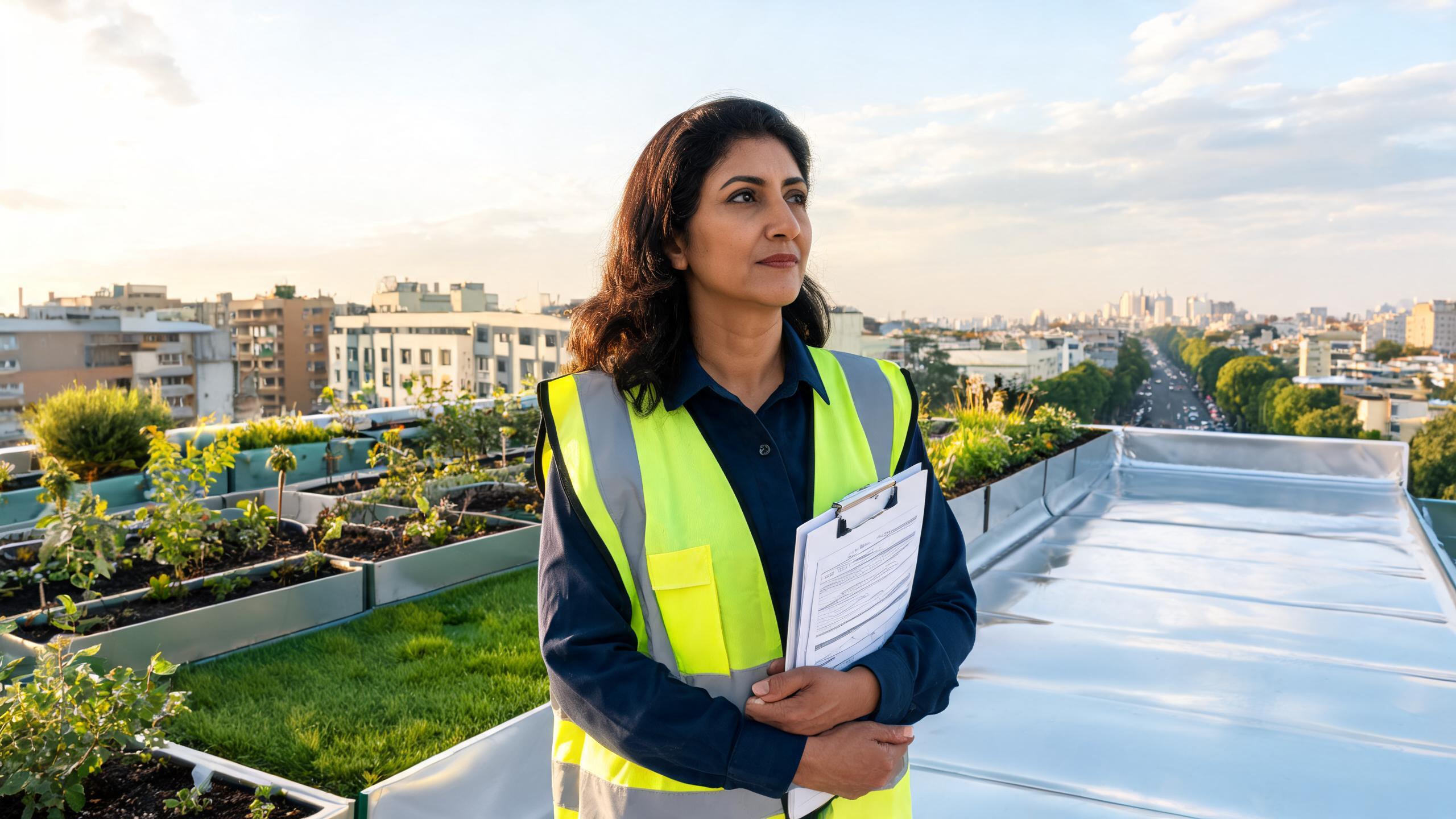
In Riverside, climate resilience officer Amira Hassan stood on the flat roof of a municipal building to inspect a recently installed cool roof membrane. Hassan described the installation as part of a larger program that combines building upgrades with street tree planting and revised zoning incentives. "This is not a single solution approach," she said. "We are layering measures that together reduce heat exposure for residents and ease strain on the energy grid." The city is encouraging property owners to adopt reflective materials and green roofs with rebates and technical support.
Urban greening is a central piece of many plans. Marco Alvarez, a landscape ecologist at the regional university, explained how planting corridors and pocket parks can change local microclimates. "Trees provide shade, reduce surface temperatures and improve airflow," he said. "When designed thoughtfully, green corridors can lower daytime heat and provide safer pedestrian routes." Cities are prioritizing tree planting in neighborhoods that historically lacked canopy cover so benefits reach the most heat-vulnerable communities.
Cooling centers and community hubs are also receiving renewed attention. In one suburb, social services coordinator Linda Okoye described how a network of libraries, community centers and churches is now part of a municipal cooling map. "We identify places that can operate longer hours during heat events and provide water, seating and access to health advice," she said. Okoye said local volunteers are trained to recognize heat illness signs and to help connect residents with medical help when needed.
Energy and infrastructure resilience are closely tied to cooling strategies. As air conditioner use increases during heat waves, electricity demand spikes and can lead to outages. Utility manager Daniel Greene said the city is working with power providers to shift demand through time of use pricing and incentives for energy efficiency. In addition, programs that pair battery storage with rooftop solar installations are being scaled to relieve peak load pressure. These measures make cooling more reliable and affordable for residents who otherwise face higher bills during extreme heat.
Community engagement is shaping how measures are deployed on the ground. In neighborhoods where senior residents live alone, outreach teams distribute cooling kits that include window fans, insulated curtains and plain guidelines for lowering indoor temperatures. Youth volunteers assist in setting up shade canopies in schoolyards and in teaching peers about heat safety. This local-level involvement helps ensure that interventions reflect daily realities and reach residents with limited mobility or access to transportation.
Cost and equity remain central concerns. City budgets are under pressure and not all building owners are able to invest in retrofits even with rebates. To address this, some municipalities are piloting targeted funding for low-income housing and small businesses. A municipal finance official, Priya Desai, noted that leveraging state grants and public private partnerships has allowed the city to stretch limited funds and prioritize retrofits where they will deliver the biggest public health gains.
Several cities are also adopting data-driven approaches. Heat vulnerability maps guide where to plant trees or place cooling centers. Sensors measuring surface and air temperatures help officials monitor program effectiveness in real time. These tools allow planners to adapt strategies over time and to quantify benefits for residents and energy systems.
Experts emphasize that built-environment changes yield long-term advantages beyond immediate heat relief. Reflective roofs and added vegetation lower building energy use year-round and improve urban biodiversity. Shaded streets promote walking and cycling which in turn supports local businesses and reduces vehicle emissions. For public health officials, reduced heat exposure means fewer emergency visits and better outcomes for people with chronic conditions.
Roundup opinion
Adapting to higher temperatures is emerging as a pragmatic element of urban planning rather than an optional add-on. The combination of technical upgrades, expanded green infrastructure and community-driven services presents a diversified toolkit that cities can tailor to local needs. While funding and implementation challenges persist, pilot programs show that coordinated action can reduce heat exposure, improve quality of life and make energy systems more resilient. Ongoing monitoring and inclusive planning will determine how equitably these benefits are shared across neighborhoods and populations.











0 Comments