The Future of Nollywood After Netflix and Prime – What Comes Next?

Share
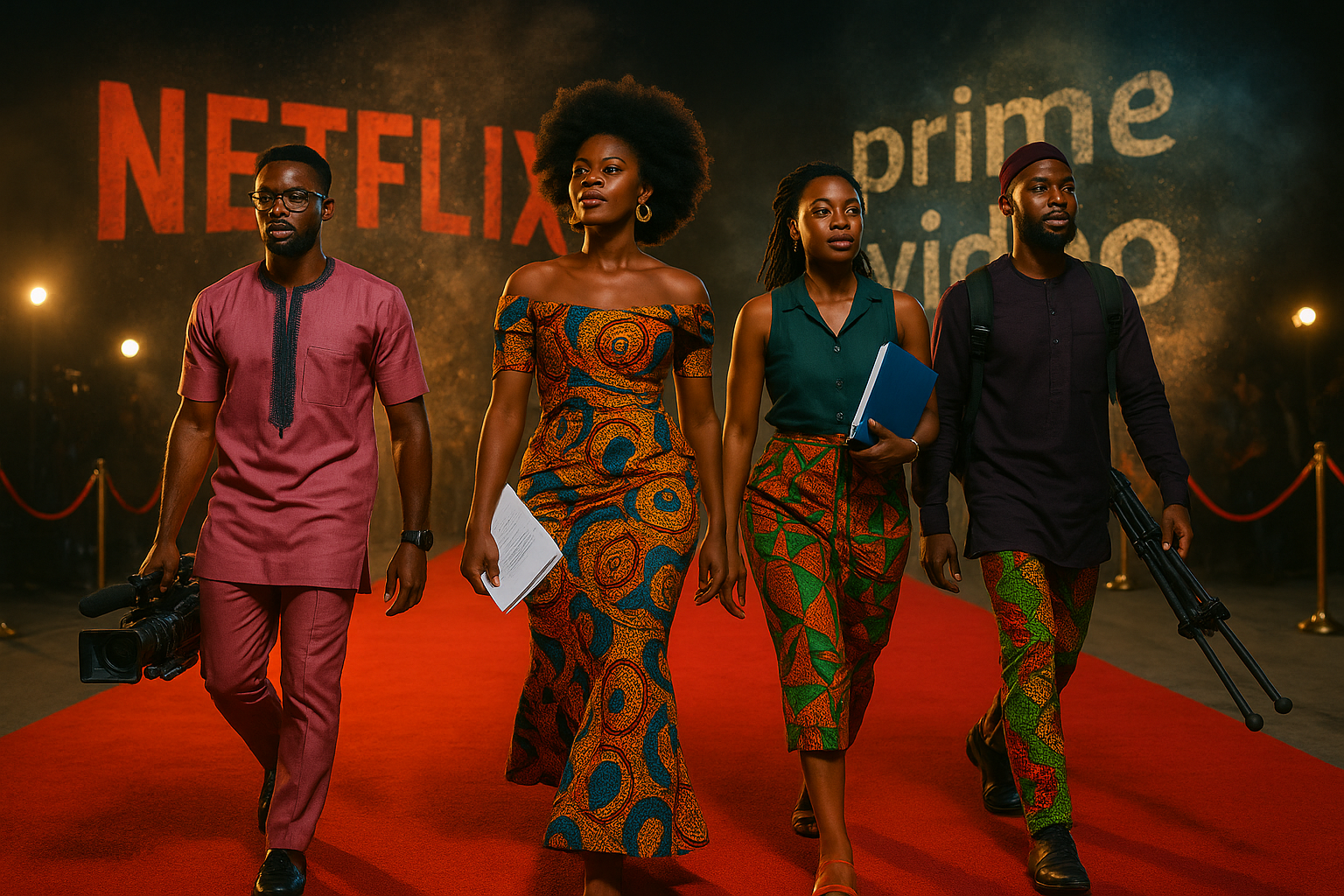
Netflix and Prime Video entered Nollywood with big promises—and for a while, delivered. They commissioned originals, licensed local content, and gave global audiences access to Nigerian stories. But by late 2024, both had begun scaling down direct investments and original commissions. Some panicked. Others saw opportunity.
At the 2025 NollywoodWeek Festival in Paris, where Biodun Stephen sat on a major panel, the mood was one of cautious optimism. The question wasn’t just “what now?” It was “what next?”
Here are five trajectories Nollywood must embrace in a post-streamer-sponsorship era:
1. Reclaiming Creative Control
For years, many films were shaped to please global platforms—tighter runtimes, limited local dialects, less spiritual or controversial themes. With international gatekeepers stepping back, creators can now return to bold, culturally resonant storytelling.
2. Rise of Independent Distribution
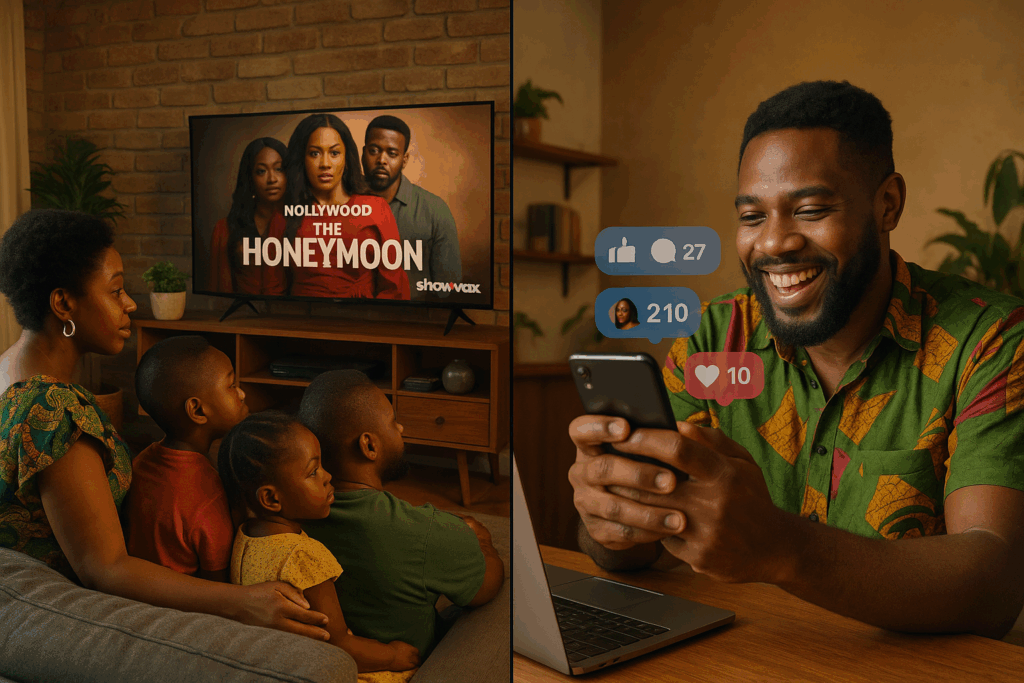
From YouTube to mobile-first platforms like AfroLandTV and Nollyland, independent digital distribution is gaining ground. Films like SISTA or web series like Back to School prove that creators can build direct, monetized relationships with audiences.
3. Local Streamers and The Diaspora
Expect more power from Showmax, Africa Magic GO, and diaspora-funded channels that understand the pulse of African stories. These platforms may lack Netflix’s budgets, but they understand cultural nuance—and that builds loyal viewership.
4. Agency-Led Promotion Models
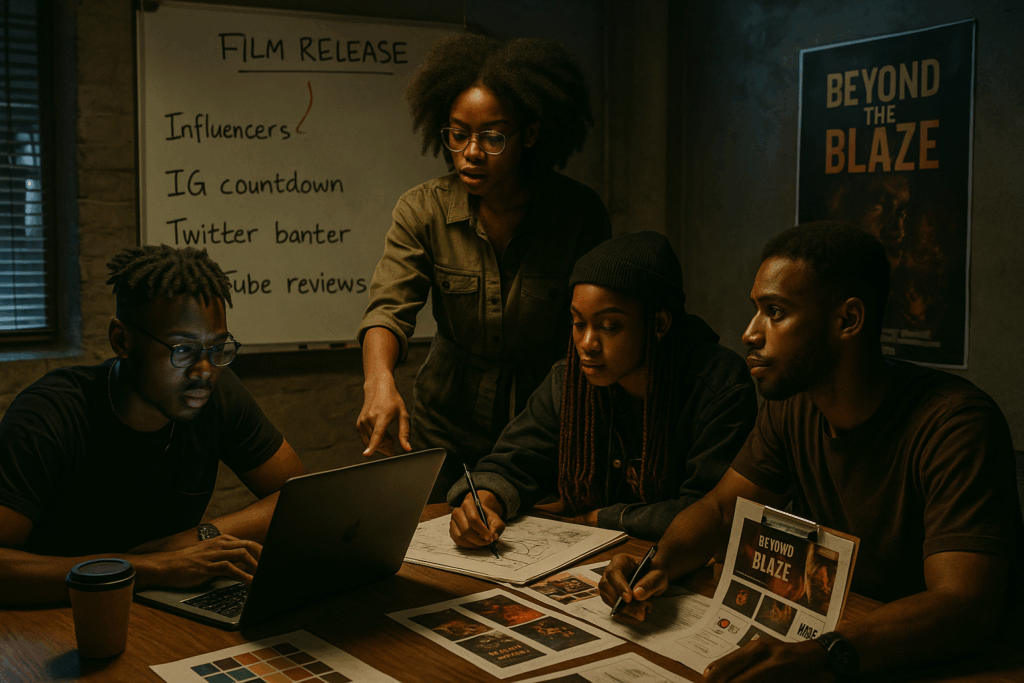
Without the marketing engine of Prime Video or Netflix, producers will need creative agencies like 96DegreesCreativeAgency to take charge—planning rollouts, handling influencer partnerships, seeding fan pages, and keeping content visible.
5. Brand & Festival Integration
NollywoodWeek showed how films can use festivals not just for prestige but for audience testing, brand partnerships, and media attention. Brands want emotion and reach. Festivals offer both.
In summary: Netflix and Prime helped light the fire. But Nollywood must now stoke it with its own oxygen—local understanding, flexible funding, and community-powered distribution.

