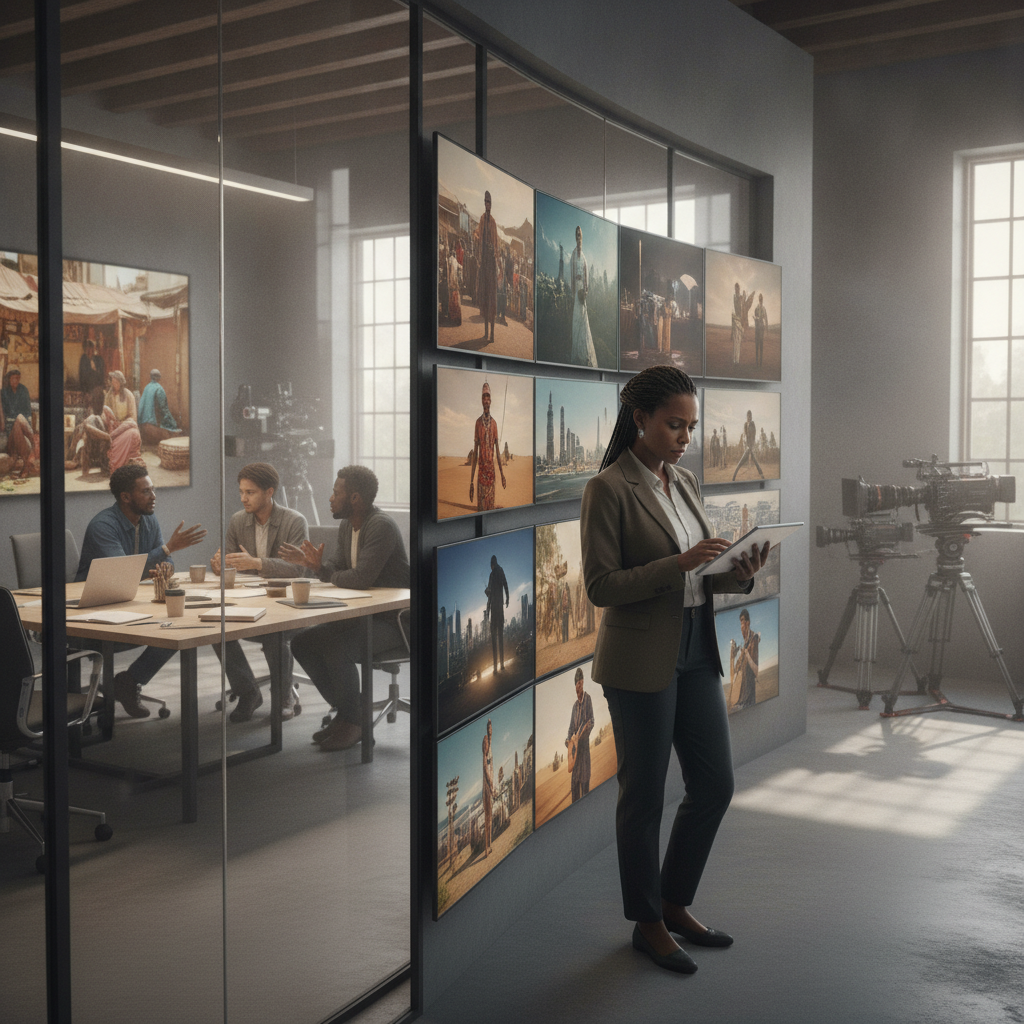
Nigeria’s screen industry has become synonymous with prolific film production, but a growing chorus of industry voices argues that the next phase of growth requires a deliberate shift toward high-quality television. In a recent interview published on Nollywire, Drikus Volschenk highlighted that expanding strong television production — not merely continuing the focus on standalone films — could unlock sustained cultural influence, steady employment and new revenue models for the country’s storytellers.
Why television matters now
Television and serialized storytelling operate differently from films. Series create ongoing relationships with audiences: characters grow over multiple episodes, story arcs can unfold at a measured pace, and viewers develop habits around weekly or binge consumption. For a market like Nigeria’s, that habitual engagement matters. Strong TV can transform one-off viewers into loyal fans, and loyalty is the foundation of long-term monetization — subscriptions, advertising, syndication and merchandising.
Beyond audience behavior, television also offers structural advantages for the industry. Producing series generates repeatable production workflows and steadier employment for cast, crew and writers. Where films produce bursts of activity tied to individual projects, serialized production fosters longer-term careers and skills development. Investment in TV infrastructure — writers’ rooms, episodic directors, post-production pipelines — raises the overall technical and creative standards across the sector.
Barriers that need to be addressed
Transitioning from a film-dominated market to a thriving TV ecosystem isn’t automatic. There are practical and strategic barriers to overcome:
- Financing models: Series often require longer production timelines and upfront capital commitments. Traditional film financing may not suit episodic projects without tailored funding structures or partnership models.
- Craft and capacity: Writing for series, managing continuity across episodes and sustaining narrative momentum are skills that benefit from professional development and writers’ rooms. Technical crews also need experience with faster turnarounds and episodic workflows.
- Distribution and measurement: Successful television depends on reliable distribution channels and audience measurement tools. Broadcasters, streaming platforms and advertisers need confidence that investments in series will reach engaged audiences and produce measurable returns.
- Market expectations: Audiences have access to high-quality global series, and local shows must compete on storytelling, production values and marketing to capture attention.
Practical steps for building a stronger television sector
The interview’s central message — that Nigeria needs strong television — implies a set of actionable priorities. Below are pragmatic steps that producers, distributors, policymakers and investors can consider:
1. Invest in writers’ rooms and serialized storytelling: Develop programs that train writers in long-form narrative structure, character arcs and season planning. Seed funding for pilots and writers’ room development can accelerate the learning curve.
2. Create financing vehicles tailored to series: Public and private investors can design funds or co-production models that spread risk across multiple episodes or seasons. Pre-sales to broadcasters and strategic partnerships with streaming platforms can provide guaranteed revenue streams.
3. Build production hubs and repeatable workflows: Standardize production pipelines for episodic content — schedules, post-production, VFX and sound workflows — so teams can scale efficiently across projects.
4. Strengthen distribution and data capabilities: Invest in platforms and measurement systems that show clear audience engagement metrics. Better data helps attract advertisers and justify subscription investments.
5. Encourage co-productions and international partnerships: Strategic partnerships with foreign producers can bring financing, technical expertise and distribution access while preserving local storytelling voices.
6. Support talent development and retention: Long-term careers in television require sustainable compensation, benefits and clear career paths for writers, directors and technical crew.
The role of platforms and broadcasters
Streaming platforms and domestic broadcasters both have roles to play. Streamers can finance ambitious series and offer global reach, while local broadcasters provide habitual viewing slots and direct advertising relationships. A healthy ecosystem benefits from a mix of both: platforms that are willing to take creative risks and broadcasters that can cultivate mass audiences.
Conclusion
Focusing solely on films has helped Nigeria build an internationally recognized screen industry, but the opportunity ahead lies in diversifying into strong television. As the industry matures, serialized storytelling offers deeper audience engagement, more sustainable careers for creatives and diversified revenue streams for investors. The shift will require new financing models, targeted training, repeatable production processes and reliable distribution — but the payoff is an entertainment ecosystem that can compete regionally and globally while telling richly local stories.
If the sector moves deliberately on these fronts, the next decade could see Nigerian television rise alongside its film industry — not as a replacement, but as a complementary force that secures cultural and economic value for creators and audiences alike.


0 Comments