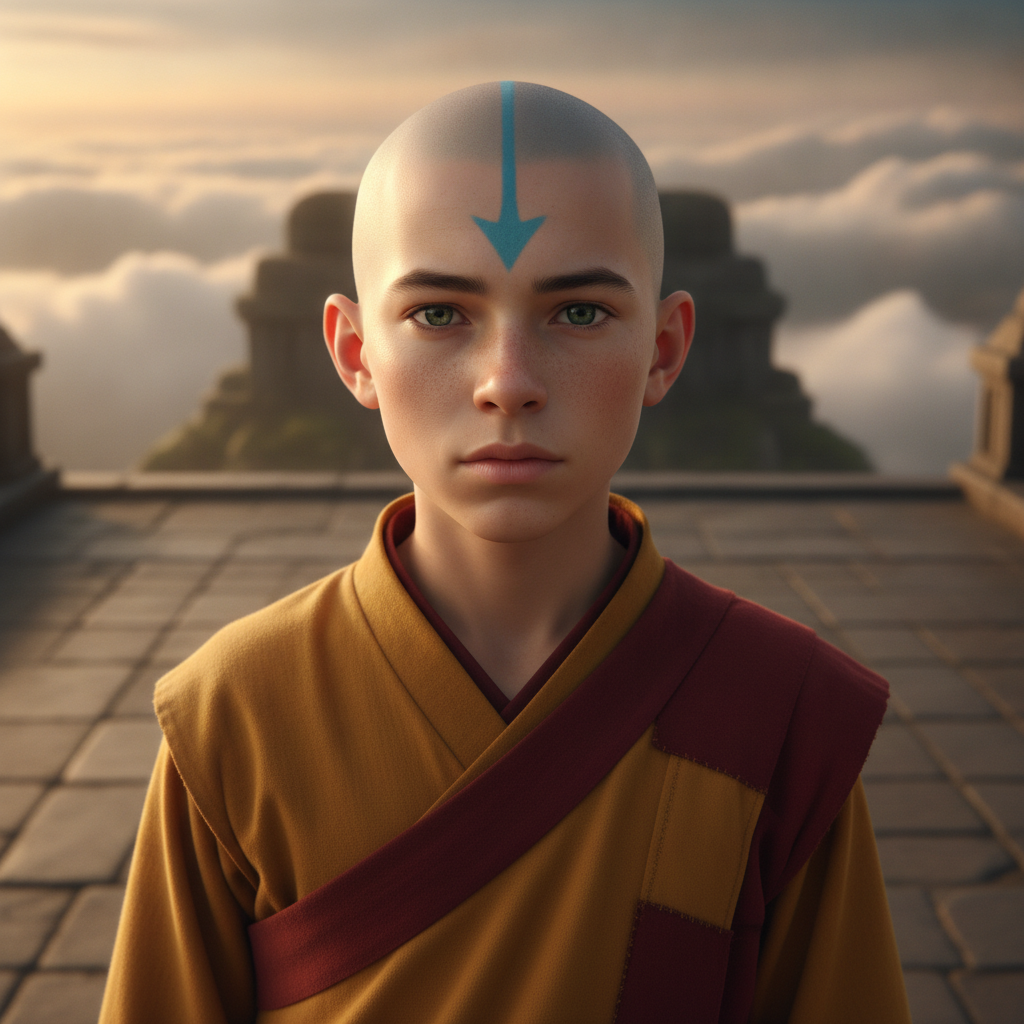
The animated series that inspired the film has a rare balance of humor, heart and intricate worldbuilding. That made the theatrical adaptation’s shortcomings feel less like missteps and more like erasure: a project that borrowed names and set pieces but shed the elements that made the original resonate.
From the start, the film’s ambition was obvious — translate a densely plotted, character-driven saga into a two-hour movie. The trade-off was compression. Arcs that unfolded over seasons become rapid beats; relationships that were allowed to breathe in episodes are reduced to shorthand. The result is a story that moves through familiar events without delivering the connective tissue that gives those events meaning. Viewers who loved the show for its emotional clarity and moral nuance found themselves watching plot points rather than characters.
Tone and voice also suffered. The animated series balances humor and pathos, using small moments to reveal growth. In the adaptation, the dialogue takes on an odd, stilted formality, and scenes that once revealed character now read like plot checkpoints. Directorial choices favor grand gestures and serious faces, which can work for cinematic spectacle but flatten the intimacy that made the source material compelling.
Another trouble is visual translation. Worldbuilding in animation often depends on stylized choreography, expressive design and a clear visual language for supernatural elements. The film leans into realism and spectacle, which occasionally produces impressive set pieces but often sacrifices clarity. Action sequences can feel muted; the sense of elemental playfulness is muted in favor of weightier effects.
Casting and cultural representation were also part of the conversation surrounding the film. Choices on-screen and the way the adaptation handled cultural textures invited scrutiny and highlighted how much of the original’s identity depends on thoughtful stewardship.
In the end, the real disappointment isn’t merely that the movie failed as an adaptation; it’s that it doesn’t feel necessary. A good adaptation can reinterpret and expand its source, offering a new perspective while honoring core truths. This film, by contrast, leaves many fans feeling it neither honored the original nor justified its own existence. That quiet void is its lasting legacy: an effort that exists on the calendar but not in the hearts of the audience it aimed to serve.

0 Comments