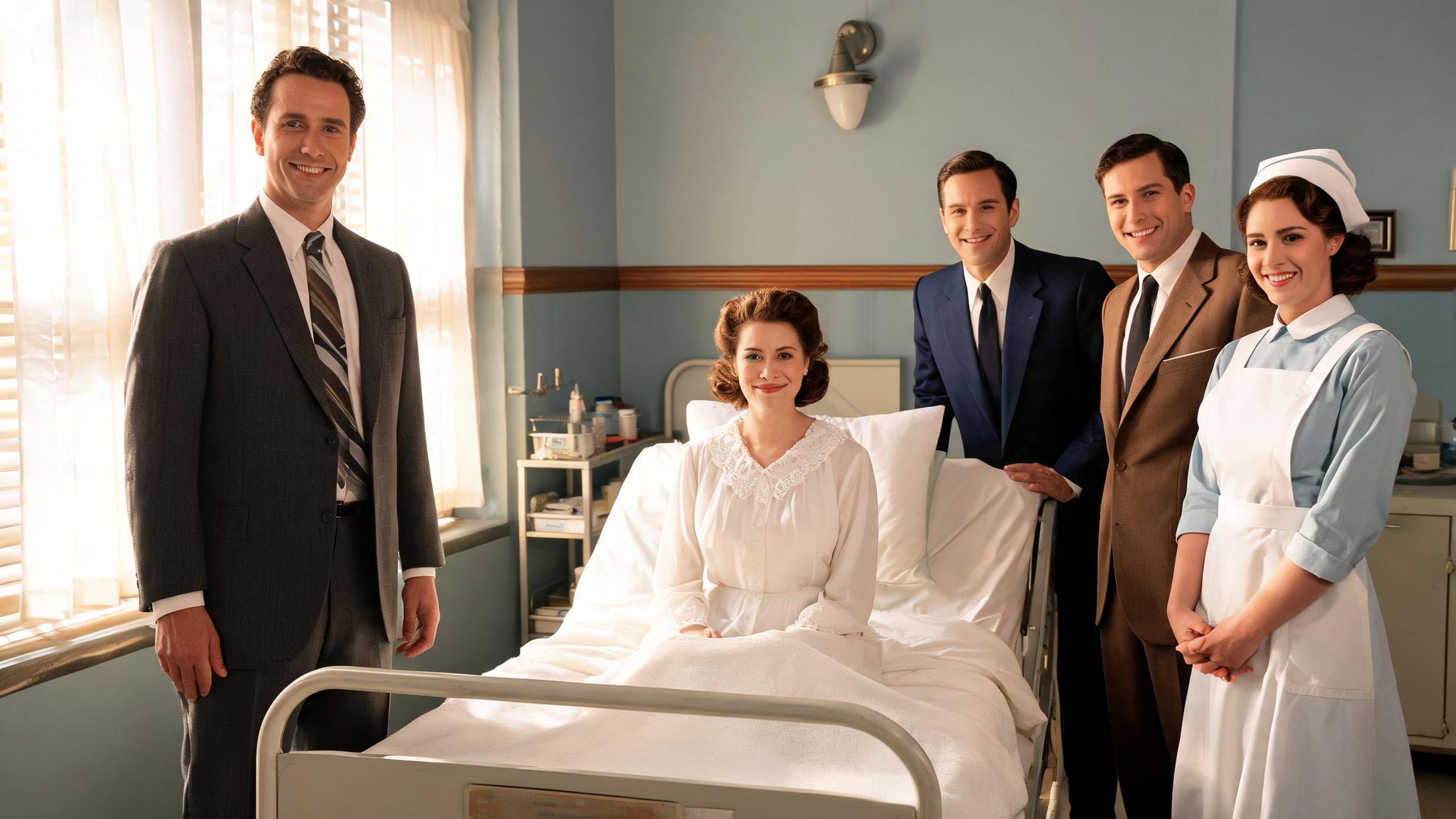
Television comedy has long used childbirth as a storytelling shortcut and a stage for both physical comedy and emotional clarity. Across a selection of 18 notable episodes that span the mediums early decades to contemporary streaming hits, sitcoms have treated births as comic set pieces, social commentary and turning points for character development. These moments trace how the genre has adapted to shifting audience expectations and broader cultural debates about family life.
The earliest household example remains iconic. Lucy Ricardo and Ricky Ricardo in I Love Lucy turned a real-life pregnancy into a television event with the episode "Lucy Goes to the Hospital." The scene combined careful staging, a live audience reaction and broad comedic beats while keeping the focus on marriage, motherhood and the comforts of domestic routine. That sequence set a template. Birth could be public spectacle without losing the intimacy of family life.
Sitcoms of the 1970s and 1980s began to use childbirth as a lens on social change. Writers moved from purely gag-driven scenes to plots that acknowledged shifting norms. A notable case came when Murphy Brown, centered on an ambitious journalist, grappled with single parenthood. The show made the decision to feature a working woman choosing to raise a child the centerpiece of an episode arc. The storyline elevated childbirth beyond punchlines, turning it into a narrative about workplace identity and the meaning of family.
In the 1990s sitcom boom, childbirth episodes split into two concurrent trends. One trend leaned into ensemble comedy and timing. Friends staged two major birth events in separate seasons. The episode titled "The One with the Birth" captures the comic logistics of friends trying to be supportive amid chaos. Later, the two-part season finale "The One Where Rachel Has a Baby" showed how birthing scenes could be sprawling events that affect multiple characters and set the course for future seasons. These episodes used laughter to humanize nerves, choices and relationships.
Cartoon sitcoms have their own grammar for birth. The Simpsons offered a memorable take in the episode "And Maggie Makes Three." The writers used a flashback structure to reveal how Maggie shaped Homer Simpsons life choices. Instead of focusing on medical details, the narrative concentrated on the emotional resonance of the moment and the compromises parents make. Animated shows can heighten sentiment without losing satirical edge, and this episode demonstrates that balance.
As cable and streaming matured, childbirth plots reflected greater diversity in family structures. Sitcoms began depicting same-sex parents, single mothers and blended households, integrating births into storylines that acknowledged legal, social and emotional complexity. Narrative arcs no longer ended once the baby arrived. Writers used pregnancy and birth to launch multi-episode developments that examined careers, expectations and identity.
Across these eras, certain recurring devices show how sitcom writers handle birth. Timing and interruption remain favorite tools. Sudden labor in a supermarket, traffic jams on the way to the hospital and misdirected phone calls keep stakes high while generating comedy. So does the workplace reaction, whether it is a newsroom scrambling to cover a birth or a group of friends trying to find a ride. Physical comedy endures, but it is often balanced by scenes of quiet connection, such as a parent holding a newborn or two characters reconciling in a hospital corridor.
Production realities have also shaped how birth is portrayed. Early television operated under stricter censorship and aesthetic norms, so shows leaned on suggestion and studio setups. Later productions with location shoots and single-camera formats staged births with more cinematic techniques. Casting choices, guest stars playing relatives and the presence of a live studio audience influence the rhythms of these episodes. Sometimes a birth scene becomes a ratings event; other times it functions as a quiet character study.
Sitcom childbirth episodes also reflect changing audience appetites. Viewers once tuned in for simple reassurance that families endure. Today they expect nuance, representation and continuity. Modern shows are more likely to show the work of parenting beyond the delivery room. They explore postpartum dynamics, career trade-offs and the ripple effects on immediate communities. Humor remains central, but it often sits beside earnest exploration.
Taken together, the 18 episodes spotlighted across television history map a clear trajectory. What began as a neat comic twist for a midcentury audience has become a flexible dramatic tool. Birth scenes now serve multiple functions: they can generate laughs, catalyze character growth and hold up a mirror to social expectations about parenthood.
Roundup opinion
Sitcoms have always sought to make the private public in a way that invites both laughter and reflection. From Lucy Ricardo stepping into a hospital gag to animated confessions about choosing family life, childbirth episodes provide moments that anchor series and expand their emotional range. As writers continue to experiment with format and representation, these episodes will likely remain a reliable place to test how comedy can respond to changing definitions of family and care.











0 Comments