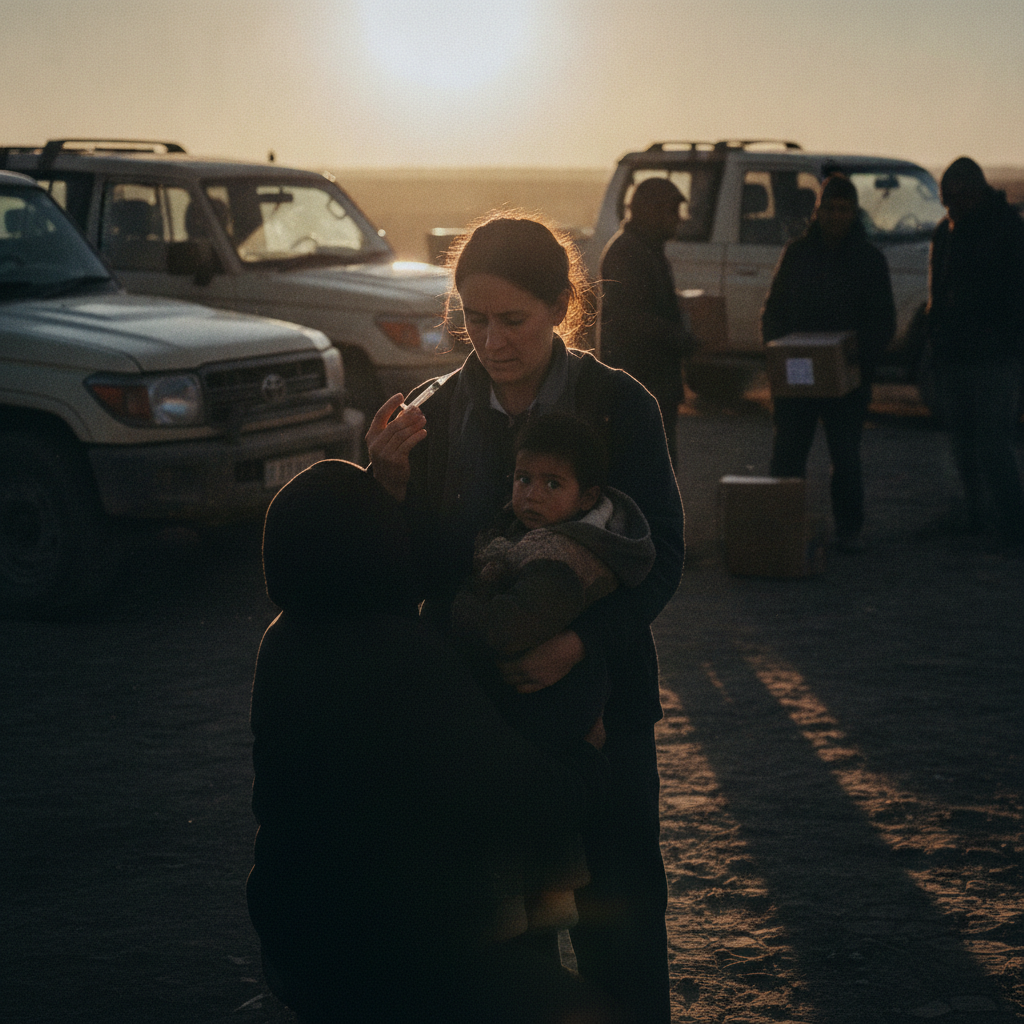
Documentary+ has acquired the feature documentary 'Shadows in Sunlight,' which chronicles a polio vaccination campaign operating under the shadow of violent unrest. The film follows health workers and community members as they navigate threats to safety, logistical obstacles and the fragile trust that underpins public-health outreach.
Shot largely on the ground, the documentary places viewers alongside frontline vaccinators whose work is repeatedly interrupted by conflict and security incidents. Rather than focusing on policy debates, the film centers the human dimension: the commitment of local health teams, the fears of families, and the ways in which violence both undermines and reshapes delivery of lifesaving vaccines. Intimate observational footage and personal testimony give the project a close, unvarnished feel that underscores the stakes of vaccination efforts in volatile environments.
The acquisition by Documentary+ positions the film for a wider audience through the distributor’s platform and programming channels. From a distribution standpoint, the deal will likely increase the documentary’s visibility among viewers interested in global health, human-rights stories and journalism-driven filmmaking. The move also reflects continued interest among niche distributors in films that explore the intersection of medicine, security and community resilience.
Beyond the immediate story of a single campaign, 'Shadows in Sunlight' raises broader questions about how public-health programs operate where access and trust are fragile. The film illustrates how sporadic violence can stall progress toward disease eradication and how public-health workers adapt to maintain services under threat. It does not prescribe policy solutions; rather, it documents the day-to-day realities that must be reckoned with by health systems, funders and communities alike.
In sum, the acquisition signals a chance for the film to reach audiences who may not be familiar with the complexities of vaccination work in conflict-affected settings. As viewers engage with the documentary, it offers a sobering look at the human cost behind prevention campaigns and a reminder of the perseverance required to keep essential health services running amid danger.



0 Comments