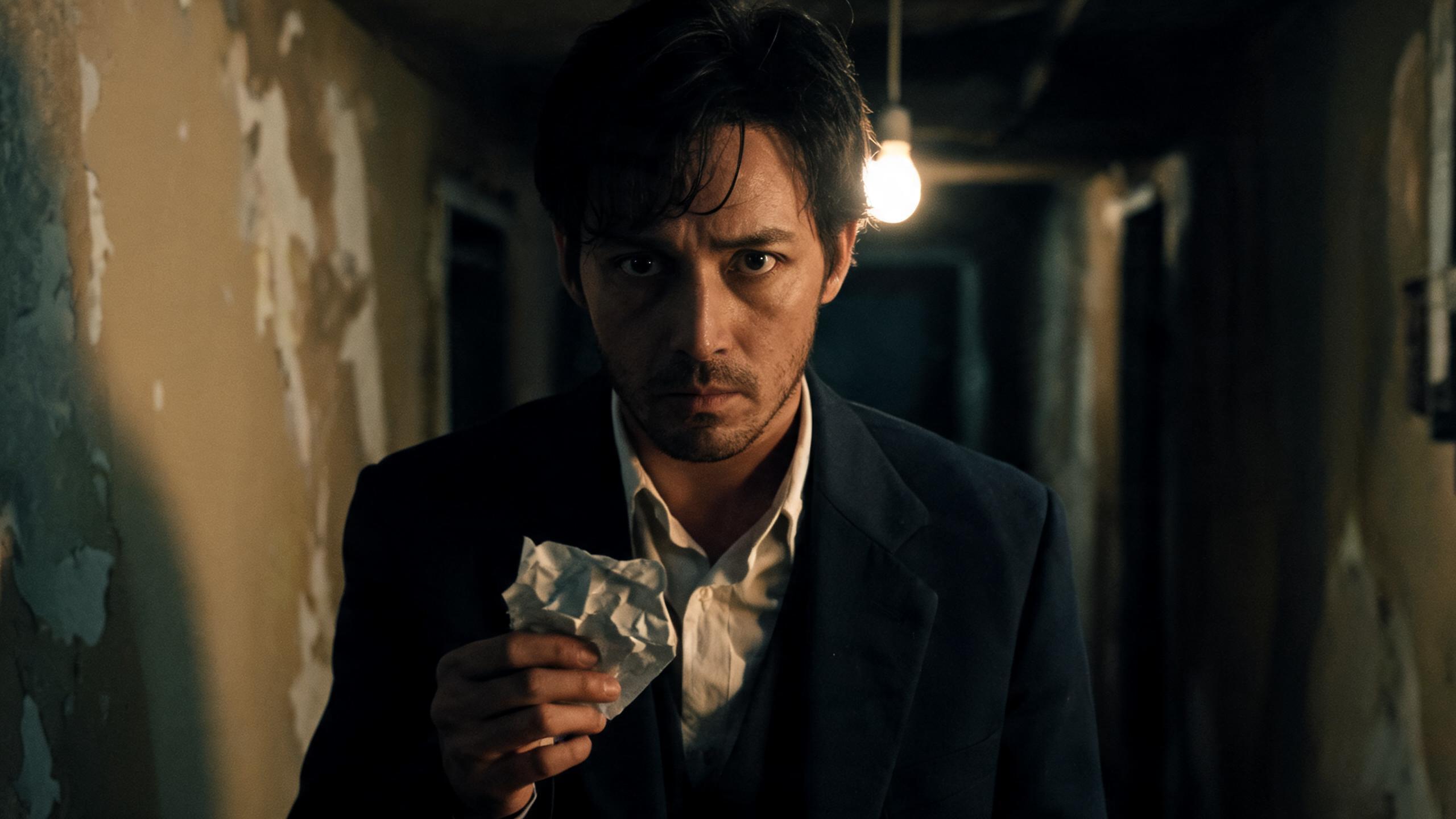
Twist endings have become shorthand for thrillers that refuse to let viewers leave the theater satisfied until every piece clicks into place. These seven films earned their reputations not only for surprising reveals but for how those revelations reframe character motives and narrative structure. The following ranking highlights the movies, the key characters at the center of each turn, and why the twists remain discussion points years later.
7. Memento (2000)
Christopher Nolan's Memento opens the list with Leonard Shelby as its focal point. The film’s puzzle is delivered through an inverted timeline that places viewers in Leonard’s shoes. The twist does not come as a single moment but as a gradual realization that Leonard's own memory system and self-deception have become tools that others can manipulate. It is a twist that asks the audience to question whether truth is salvageable when memory is fragmented.
6. Oldboy (2003)
Park Chan-wook’s Oldboy centers on Oh Dae-su, a man imprisoned for years without explanation. The revelation at the core of Oldboy alters the moral landscape of the entire film. The twist combines a grotesque intimacy with calculated revenge, forcing viewers to reckon with the consequences of curiosity and vengeance. Its emotional brutality and ethical complexity are what make the final turn linger.
5. Se7en (1995)
Directed by David Fincher, Se7en follows Detective William Somerset and Detective David Mills as they hunt a serial killer who uses the seven deadly sins as his blueprint. The twist arrives with the envelope and with the identity of the final sin. John Doe’s meticulous orchestration reframes every conversation and scene that preceded the ending. The film’s conclusion is effective because it ties the killer’s philosophy directly to the protagonists, leaving no easy moral ground.
4. The Prestige (2006)
Christopher Nolan’s The Prestige revolves around rival magicians Alfred Borden and Rupert Angier. The film’s revelations are delivered like layers peeled back from a trick hat. Each disclosure about duplicity, obsession, and the cost of secrecy reframes earlier moments of camaraderie and competition. The Prestige does not rely on a single moment of shock as much as a series of moral and technical surprises that recontextualize the characters’ sacrifices.
3. The Sixth Sense (1999)
Shyamalan’s breakout The Sixth Sense places child psychologist Malcolm Crowe and young Cole Sear at its emotional center. The film’s twist changes the meaning of small gestures and late-night scenes, transforming what seemed like straightforward therapy into something far more complex. The power of this reveal lies in its intimacy. It forces viewers to revise their understanding of every interaction between Malcolm and Cole, and it elevates the film’s emotional stakes.
2. Fight Club (1999)
David Fincher’s Fight Club is anchored by the Narrator and the charismatic Tyler Durden. The twist that links these two figures redefines the film’s critique of identity, consumerism, and masculinity. Once the connection is understood, the anarchic acts and confessional voice scenes gain a new sheen of unreliability. The film uses the twist to interrogate how self-construction can become self-destruction when fantasies are mistaken for freedom.
1. The Usual Suspects (1995)
Bryan Singer’s The Usual Suspects tops the ranking with the character Verbal Kint and the shadowy myth of Keyser Soze. The film’s final unmasking is both a narrative sleight of hand and a thematic statement on storytelling itself. The twist works because it relies on attentive detail and a portrait of performance. Verbal’s transformation from meek witness to the architect of the deception rewires everything viewers have accepted about truth in the preceding scenes.
Each of these movies uses revelation differently. Some employ unreliable narrators. Others slow-burn moral reckonings or structural puzzles. What they share is a commitment to making the twist matter beyond shock value. In each case the twist is not an ornament but a force that reshapes character arcs and viewer perspective.
The films listed here also show how a well-crafted twist can elevate genre filmmaking into something more than an exercise in surprise. By aligning narrative mechanics with character psychology, each movie turns its final revelation into a hinge moment. That hinge can make a thriller feel timeless or expose its anxieties about identity, justice, and truth.
Roundup opinion
Twists endure when they invite repeat viewings and reappraisals. The seven films named here remain relevant because their revelations do not simply end a story. They extend it. Whether through memory, manipulation, obsession, or confession, each twist forces an audience to revisit everything that came before. For viewers who love to be challenged, these thrillers demonstrate how a single reveal can change an entire film’s meaning and memory.










0 Comments