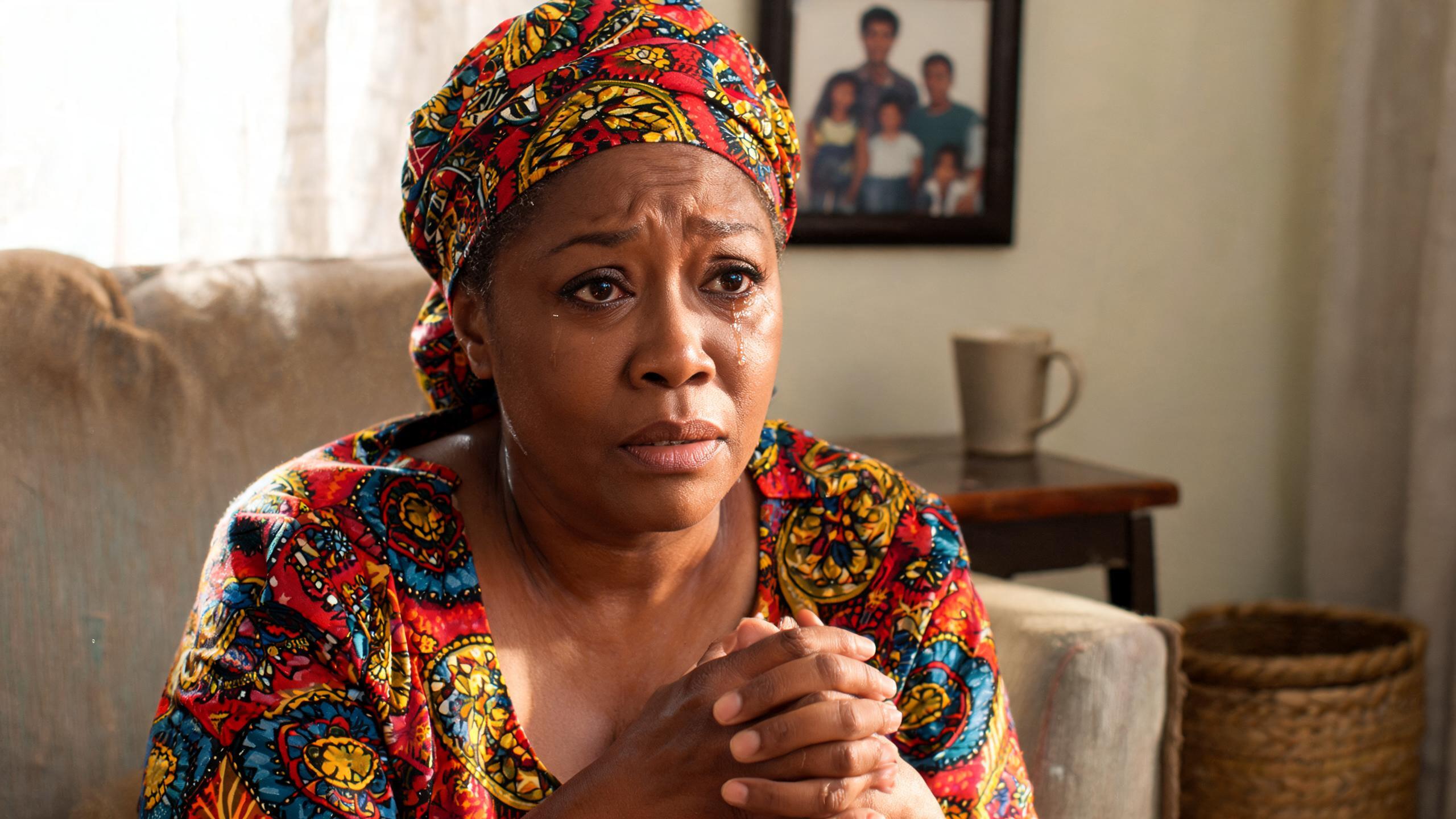
Mother's Love returns to a familiar Nollywood grammar: heavy sentiment, clear moral lines, and a central mother whose love drives the narrative. The film centers on Mama Nkechi, a tireless woman whose loyalty to her son, Ifeanyi, becomes the engine of a story built more on archetypes than surprise. Ifeanyi is written as the young man who trusts easily, his openness exploited by others around him. The filmmakers make no apology for steering the plot toward emotional catharsis rather than subtlety.
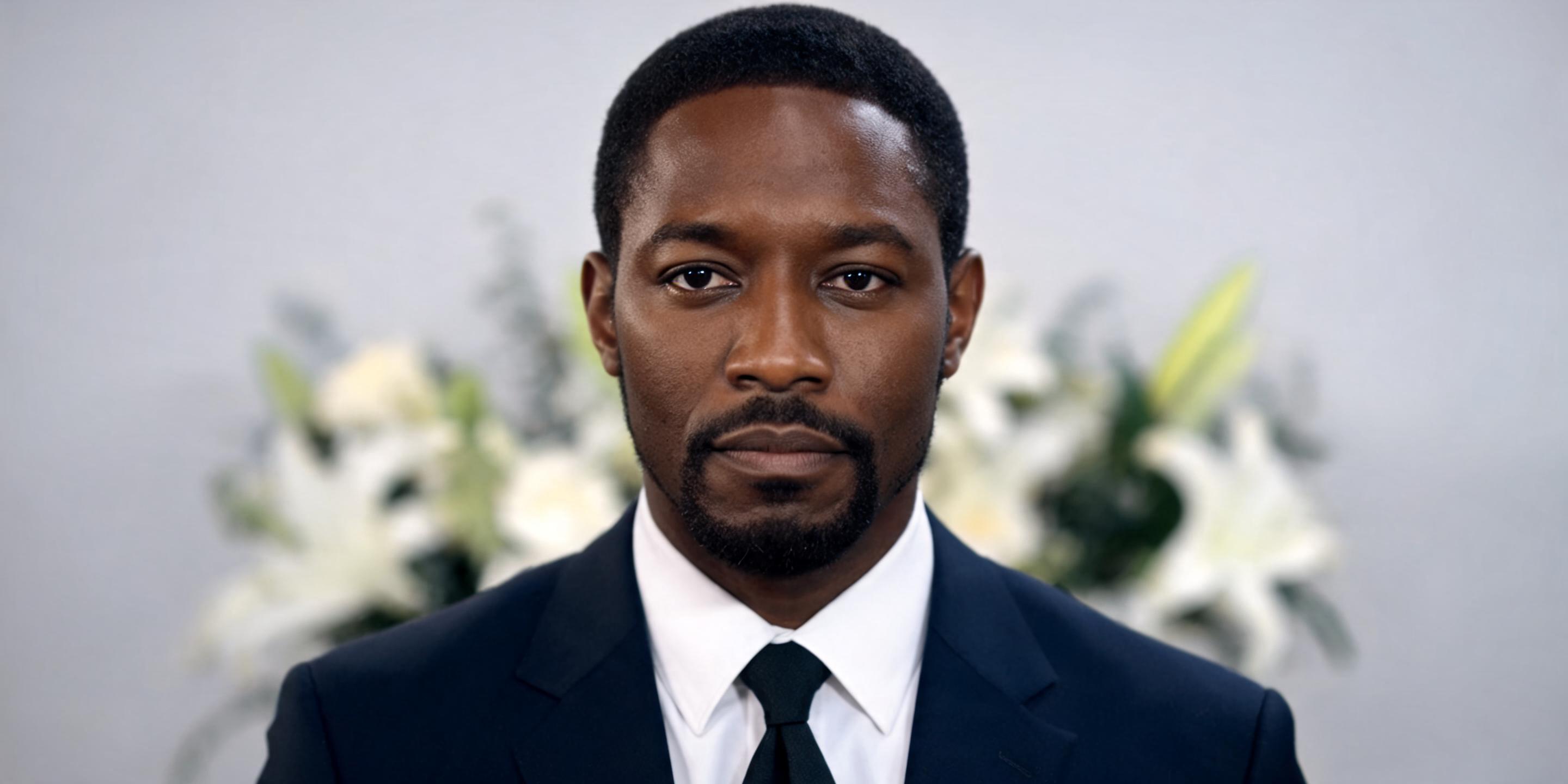
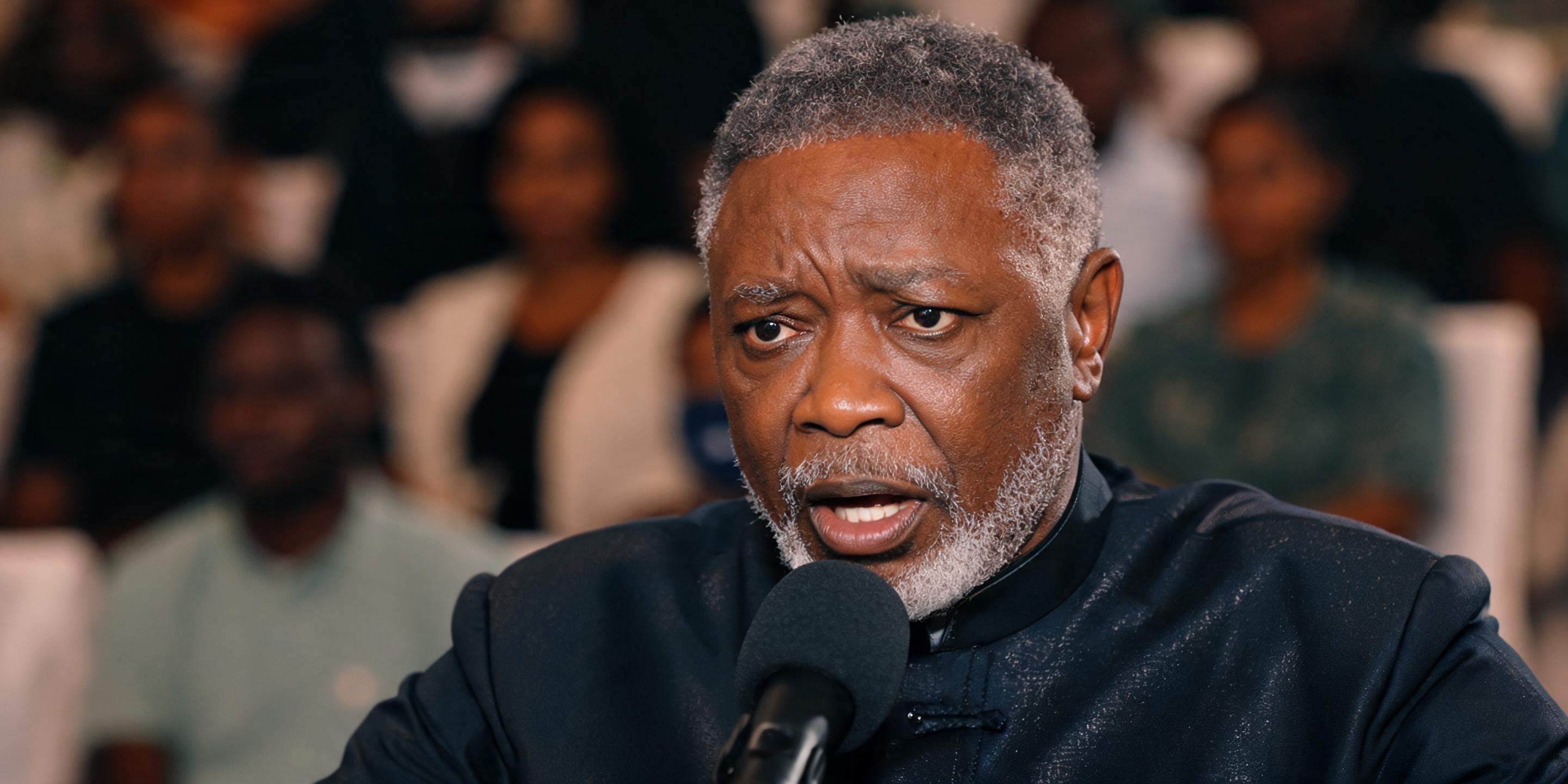
The film opens with scenes that sketch characters quickly. Mama Nkechi sacrifices to give Ifeanyi a chance at education. Ifeanyi falls in love with Amaka, whose intentions are unclear for much of the runtime. Chief Obi occupies the role of a calculating antagonist, while Pastor Daniel appears intermittently as a moral touchstone. These figures are familiar to long-time fans of Nigerian cinema: mother, dutiful son, scheming adversary, and community elder who offers counsel.
What stands out in Mother's Love is how deliberately it embraces older Nollywood conventions. The screenplay favors direct dialogue, repeated moral lessons, and heightened performances. Scenes often build toward a dramatic reveal or public confrontation. Music is used to underscore emotion rather than to create subtle atmosphere. Production values are modest, and the camera work prefers medium and wide shots that capture actors' expressions and the dynamics between them.
Ifeanyi is the movie's pivot. He is written as the kind of character who forgives too easily, believes in people against evidence, and keeps making choices that lead him into trouble. That portrayal will be satisfying for viewers who enjoy watching a flawed young man learn the hard way. For others, Ifeanyi's naivety may feel exaggerated and the film’s moral lessons heavy-handed. Amaka is painted with suggestive strokes rather than full development. Her arc functions to reflect Ifeanyi's growth and to test Mama Nkechi's endurance.
The heart of the film is Mama Nkechi. Her gestures, words, and choices are designed to remind viewers of the centrality of maternal sacrifice in many Nollywood narratives. When the plot asks the audience to respond emotionally, it does so by centering her losses and resilience. The actor who plays Mama Nkechi carries these sequences with a committed intensity that matches the script's demands. Chief Obi and Pastor Daniel occupy the expectation of their archetypes and move the plot forward in predictable ways.
Mother's Love will please viewers who favor clear moral arcs and overt emotional beats. It does not aim to innovate in form or to complicate its characters with ambiguous motives. Instead, it doubles down on a tried-and-true formula: make the audience feel the mother’s pain, then resolve inequities through confession, confrontation, or public restitution.
The film is not without charm. Its directness and unpretentious delivery offer a straightforward viewing experience. It also highlights why certain Nollywood formulas endure: they deliver clarity and catharsis. If you want nuance and modern reinvention, this may not be the film for you. If you want a melodrama anchored by a sacrificial mother and a son whose trusting nature leads to dramatic lessons, Mother's Love delivers what it promises.
In the roundup, Mother's Love stands as a competent example of classical Nollywood melodrama. It will resonate most with audiences who appreciate unambiguous moral storytelling and heartfelt performances. The movie is less likely to satisfy viewers searching for subtle character studies or stylistic experimentation. For what it seeks to be, it succeeds: a powerful ode to maternal devotion and the pitfalls of blind faith in others.









0 Comments