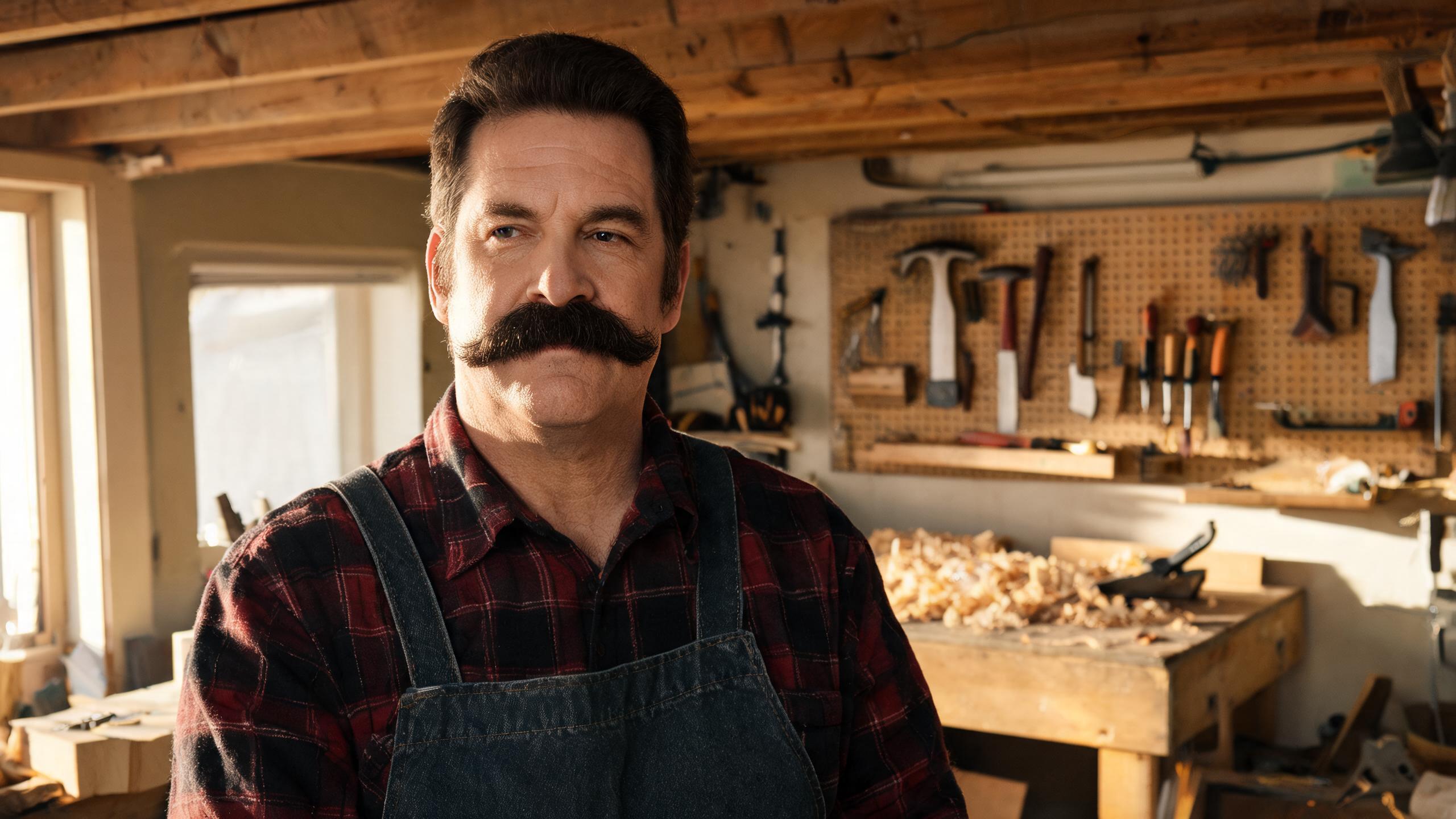
Nick Offerman, the actor known for his roles on television and his work as a craftsman, has publicly criticized commentator Ben Shapiro, labeling Shapiro's remarks on LGBTQ issues as homophobic and culturally illiterate. The exchange added a new chapter to a broader public conversation in which figures from entertainment and media comment on social and cultural debates.
Offerman is widely recognized for his grounded public persona and a career that includes both acting and woodworking. He has occasionally weighed in on cultural matters and has a following that pays attention when he speaks on social issues. Ben Shapiro is a conservative commentator, author, and podcaster whose commentary on cultural and political topics reaches a large audience. Both men command attention for their statements, making any public disagreement between them resonate more widely.
The disagreement began when Offerman addressed comments he described as dismissive of LGBTQ people and elements of contemporary culture. Offerman accused Shapiro of repeating talking points that he characterized as hostile to LGBTQ communities and of lacking basic cultural context when discussing certain forms of expression. Offerman framed his response as a critique of both language and tone, saying that public conversations about identity and art would benefit from attention to lived experience and historical context.
Shapiro has previously offered strong opinions on a range of social questions and has large followings who often engage in debates sparked by his remarks. Supporters say he raises difficult questions and defends free speech. Critics argue that some of his rhetoric marginalizes vulnerable groups. The exchange with Offerman fits into this ongoing pattern in which public commentary triggers responses from cultural figures who view those remarks as part of a broader pattern.
Reaction to Offerman's comments was visible across social platforms. Supporters of Offerman praised his willingness to speak up on behalf of communities he says are targeted by certain rhetoric. Others pushed back, defending Shapiro as a commentator who raises issues they see as important to public debate. The back and forth underscores how discussions in social media spaces quickly bring different constituencies into contact and amplify disputes between public figures.
Observers noted that exchanges like this highlight a persistent tension between two values. On one side is the interest in protecting open debate and a wide range of expression. On the other is concern about language that may single out, stereotype, or dismiss marginalized communities. Both impulses are present across many disputes involving public personalities. For cultural commentators and entertainers, the decision to speak publicly often invites both support and critique and reinforces the role of high profile voices in shaping public conversation.
For Offerman, the episode is another example of an entertainer engaging in a topic that extends beyond the screen and into civic life. For Shapiro, it is part of a longer record of exchanges in which his remarks prompt rebuttals from people in entertainment, academia, and other fields. The clash illustrates how cultural literacy itself can become a subject of debate. Questions about context, nuance, and interpretation of art and identity often sit at the center of these exchanges.
Moving forward, the immediate fallout appears likely to remain within public commentary and social media. There are rarely formal consequences for such exchanges beyond reputational effects and the amplification that each side receives from their supporters. The incident is another data point in the continuing pattern of high profile disputes over how the public talks about identity, culture, and values.
In sum, the public criticism from Nick Offerman directed at Ben Shapiro serves as a reminder that conversations about culture and identity are ongoing and that figures from different parts of public life will continue to intervene. The exchange underlines how language and context matter when public figures address sensitive topics. It also shows that debates over cultural literacy and the responsibilities of commentators will remain a durable feature of public discourse as long as prominent voices participate in it.





0 Comments