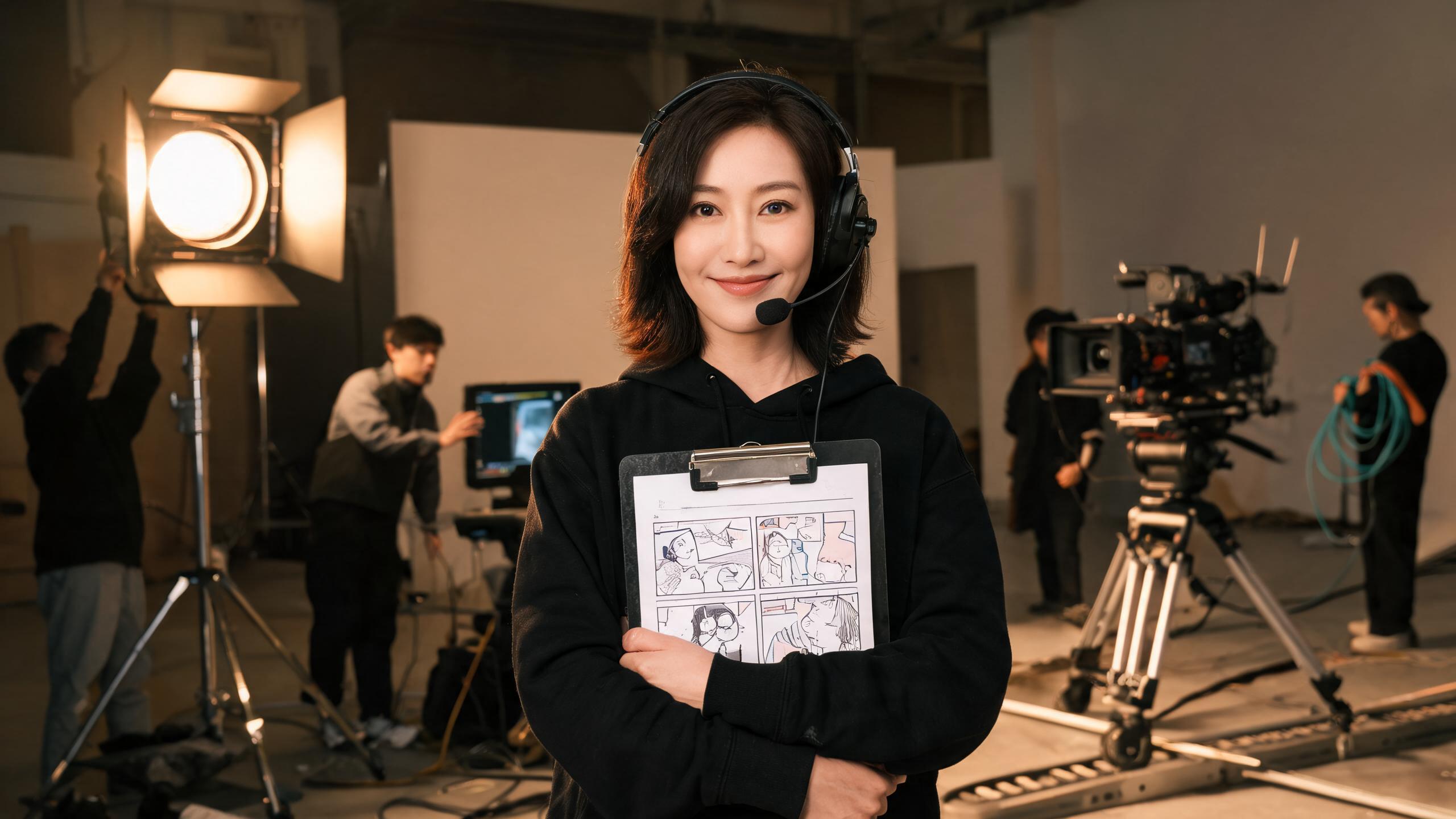
Happy Madison, the production company long identified with Adam Sandler's rowdy comedies and a male-dominated creative stable, is reshaping its identity. Once synonymous with bro-centric slapstick and a familiar roster of comic collaborators, the company has quietly broadened its slate to include films written, directed and led by women. The shift reflects changing audience appetites, the economics of streaming, and a deliberate effort to cultivate different kinds of voices within a well-known comedy factory.
When Adam Sandler founded Happy Madison, the imprint built its reputation on a string of mainstream comedies that leaned heavily into Sandler's persona and an ensemble of longtime friends and collaborators. Those earlier films established a recognisable tone and a loyal audience, but they also helped create the boys' club label the company later faced. Over the past several years the company has taken steps to diversify creative leadership and to produce stories that center female perspectives, from romantic comedies to workplace and family comedies that explore women's lives with greater nuance.
The transformation is part cultural and part commercial. Streaming platforms hungry for varied content have offered new outlets for mid-budget comedies, and companies that can supply dependable, accessible films have a market advantage. Happy Madison has used those opportunities to partner on projects with female leads and to work with women behind the camera. High-profile collaborations with major streaming services have broadened the company’s reach and made it easier to greenlight projects that might not have fit the earlier, narrower brand of the studio.
Key to the change is personnel. Happy Madison has added more women to its development and producing ranks and made room for female writers and directors to pitch and shepherd projects. That shift in staffing has led to scripts that place women at the center of the joke and the heart of the narrative rather than positioning them primarily as foils for male protagonists. The result is comedies that still retain Hook elements of the company's comedic style but add emotional range and characters whose arcs are grounded in modern experiences: parenting, career challenges, friendship dynamics and romantic relationships filtered through a female viewpoint.
On screen the company’s evolving slate has already shown variety. Newer releases and streaming collaborations have featured women in starring roles and rebalanced comic dynamics to highlight female chemistry and storytelling. The films range in tone from broad and whimsical to quieter and more character-driven, offering audiences alternatives to both the old Happy Madison template and the darker, more cynical comedies that have dominated other corners of the market. By giving women more room to shape the material, the company can tap into stories that resonate with diverse audience segments while maintaining the commercial instincts that built its brand.
This is not a total reinvention. Adam Sandler remains central to the company as a creative force and an executive producer on many projects. Some films continue to feature Sandler either in front of the camera or in an executive role, and the company still leans on the broad comedic instincts that made it successful. What has changed most visibly is the decision to broaden who gets to tell the stories and whose viewpoints get center stage. That shift matters not only for representation but for the kinds of jokes, relationships and comedic set pieces that reach audiences.
Industry observers point out that the move also mirrors a wider trend across production companies and studios aiming to diversify output. Audiences today are fragmented and global, and streaming platforms in particular reward producers who can deliver varied, reliable content. By investing in female-led comedies, Happy Madison increases its catalog of films that appeal to different demographics and viewing habits. The commercial case is straightforward: well-made comedies with clear target audiences can perform consistently on streaming platforms, and companies that offer them regularly can build favorable relationships with distributors.
The creative implications are notable as well. Writers and directors who previously struggled to sell female-centric comedies may find a new, familiar partner in Happy Madison. For emerging filmmakers, the company's resources and distribution connections can provide a clearer path from script to screen. For established stars and creators, the company’s willingness to collaborate on projects led by women opens opportunities for new kinds of partnerships, both in front of and behind the camera.
The shift is still unfolding. Some observers will assess it by the number of projects that reach wide audiences and by the critical reception those films receive. Others will watch staffing and development slates to see whether the initial commitments to women creators translate into long-term structural change. For now, Happy Madison’s pivot is meaningful because it demonstrates that a company with a distinct, decades-long identity can expand that identity to include a broader range of voices.
Happy Madison’s move toward female-led storytelling is not a rejection of its past but an expansion of it. The company keeps what worked before while inviting new collaborators and perspectives into its process. That approach produces comedies that are recognizably part of the same creative family yet different in tone and emphasis. If the past showed what the company could do when it focused on one kind of comedy, the present suggests it can do more by including more voices.
Going forward, the real test will be continuity and depth. Short-term experiments can refresh a brand, but lasting change requires sustained investment in development, hiring and relationships with women directors and writers. If Happy Madison follows through, the industry could see more comedies that combine the company’s crowd-pleasing instincts with stories that center women’s experiences. That would mark a pragmatic evolution for a well-known studio and a welcome expansion of what its comedies can be.






0 Comments