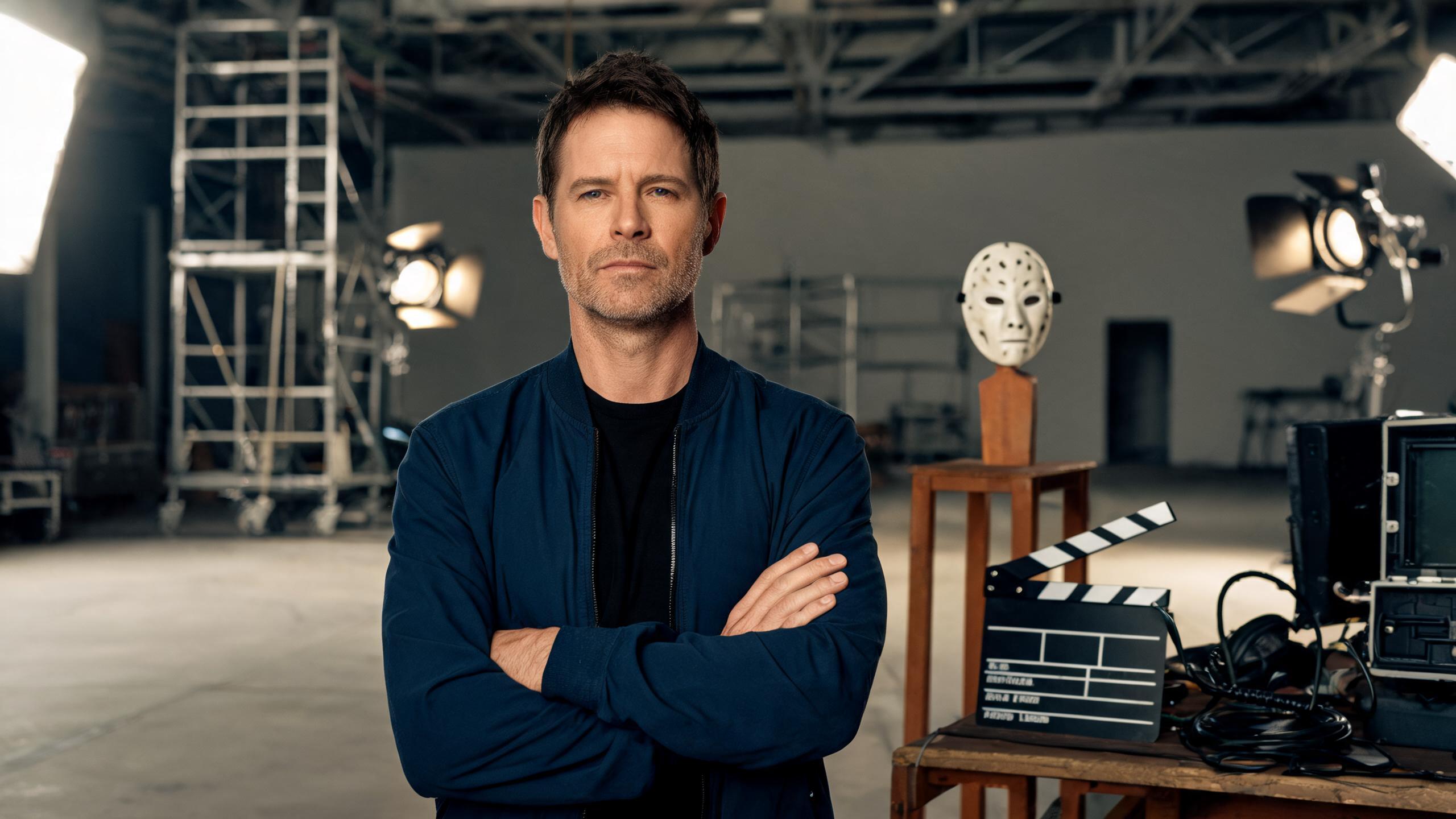
Plans for a new Friday the 13th reboot stopped suddenly just weeks before principal photography was due to begin. The project had attracted attention because producers Brad Fuller and Andrew Form, who have been linked to the franchise in recent years, were reported to be moving the film toward production. What emerged instead was a last minute halt that highlights how creative ambitions, legal complexity and studio planning can derail even well-known properties at the eleventh hour.
Fuller and Form had been developing a fresh entry in the long running horror series that centers on Jason Voorhees. The project was intended to deliver a contemporary take while retaining the essential elements that made the franchise a cultural touchstone. Creatives and executives had worked through early casting ideas, locations and script drafts. Yet despite apparent momentum, production was called off shortly before crews and actors were due to assemble on set.
People close to the project say several factors combined to prompt the stoppage. One persistent problem for any Friday the 13th project is the complicated history of the property, including a long running rights dispute involving the original 1980 screenwriter Victor Miller. Those legal uncertainties have repeatedly complicated plans to reboot or expand the franchise, and can affect what a studio can commit to, and when.
On top of intellectual property questions, industry insiders describe a series of business level conversations that failed to align. The window between green light and filming had already been narrow. When final clearances, budget measures and distribution details did not converge in time, the decision was made to pause. That pause became permanent as other release slots and production resources were reallocated to different titles.
The cancellation underscores a broader pattern in contemporary franchise filmmaking. Studios and production companies are increasingly cautious about mid budget genre pictures when there is uncertainty about return on investment. Even established names and familiar brands are not immune. Horror franchises can still be profitable, but they rely on clean ownership, clear marketing strategies and a production timeline that allows for talent and crew contracts to be honored without last minute changes.
For the creative team, the fallout is both practical and reputational. Brad Fuller and Andrew Form have navigated studio relationships and franchise development for years. Scrapping a high profile project so late complicates scheduling and financial commitments for everyone involved. It also produces an inevitable cycle of rumor and speculation among fans. People who had hoped to see a new vision for Jason Voorhees are left with little more than concept art and development notes.
Those development materials, and the public statements that followed the cancellation, suggest the filmmakers were aiming for a film that would respect the original while exploring new territory. The plan reportedly included a more character driven approach alongside the visceral set pieces fans expect. That blending of old and new is a frequent goal of reboots, and it is what often makes them challenging to finance and position in a crowded market.
The halt also reverberates through the business side of production. Vendors, location scouts, local crews and second unit teams typically plan months ahead when a production is announced. A cancellation on the verge of filming means those parties must quickly reconfigure, and local economies lose anticipated income. That knock on effect is one reason late breaks in production so often draw attention across trade publications and local reporting.
Where does this leave the franchise now? The immediate consequence is uncertainty. A project that looked as though it had tangible progress now returns to development limbo. For rights holders and potential producers, the case highlights the value of clearing legal and financial questions early, and building contingency plans in case a schedule slips.
At the same time, the enduring interest in the franchise suggests the story is not over. Jason Voorhees remains a recognizable figure in global popular culture, and horror continues to be a fertile area for both low budget surprises and franchise revivals. If the legal landscape becomes clearer and studios align on a distribution strategy that balances creative goals with risk, the property could return to development with new partners and a revised approach.
This cancellation is a reminder that modern filmmaking is as much a negotiation as it is an art. The idea of a new Friday the 13th film generated excitement because it represented an opportunity to refresh a legacy series. The abrupt halt shows how many elements must fall into place before a camera can roll. For now, fans must wait and see whether the chapter that was pulled will be rewritten.
In the meantime, the most concrete outcome is a pause in an anticipated production that had the right blend of talent and intent to raise expectations. Whether the film will be revived under the same team or reborn through a different set of creators depends on a mix of legal clarity, studio strategy and market appetite. The franchise’s next move will likely depend on those variables aligning more effectively than they did this time.



0 Comments