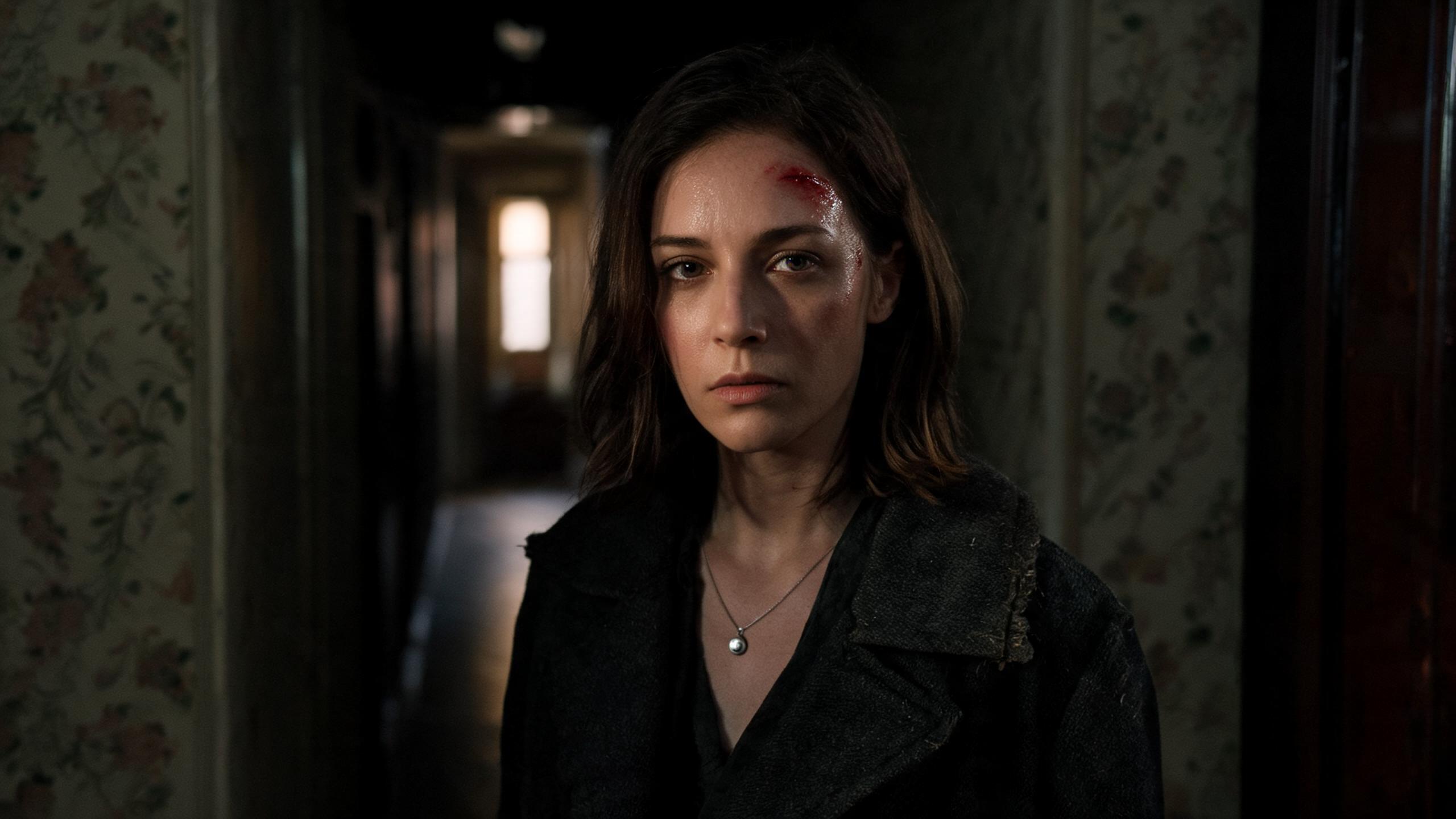
France has released the first full trailer for Minotaur, a film that positions itself as a serious awards-season contender with a focus on psychological tension and atmospheric filmmaking. The teaser gives a clear sense of a director aiming to blend mythic resonance with contemporary drama, while keeping the story grounded in intimate character work.
The trailer centers on Sophie Durand, played in striking fashion by Léa Rousseau, a woman haunted by a past she cannot fully recall. Scenes alternate between claustrophobic interiors and haunting exteriors, suggesting that the film will ask viewers to navigate both a literal maze and the emotional labyrinth of Sophie’s memory. Marc Renard plays Thomas, Sophie’s estranged brother, whose presence hints at fractures in family ties that may be central to the plot. The Minotaur in this story feels less like a creature of folklore and more like a metaphor for the inner monsters people carry.
Paced with care, the trailer offers a blend of whisper-quiet moments and sudden jolts. A recurring motif is the use of corridors and stairwells, captured in long, unbroken takes that emphasize disorientation. The cinematography favors muted palettes and textural lighting, placing faces in half-shadow and letting the frame breathe around them. Sound design appears to be a key element; the trailer layers sparse, low-frequency tones with naturalistic creaks and distant voices to create an uneasy, persistent pressure.
Minotaur’s writing, as hinted by the trailer, leans into ambiguity rather than tidy revelations. Dialogue is economical; much of the story is suggested through glances, objects left behind, and visual echoes of earlier scenes. This restraint signals a film that may reward repeated viewings and close attention, qualities often appreciated on the festival circuit. Director Celine Marchand seems to be prioritizing mood and character rhythm over plot mechanics, inviting audiences to assemble meaning from fragments rather than serving answers on a platter.
The supporting cast shown in the trailer includes Inspector Delarue, a measured presence who appears to be both an investigator and a moral compass, and Claire, a neighbor whose small acts reveal larger tensions around community and secrecy. Performances look rooted and deliberate, avoiding theatricality in favor of subtle, human details: a trembling hand, a paused phone call, the way characters avoid one another in a crowded room.
Production design and costume choices lean on a lived-in realism. The Durand family home is shown as both familiar and off-kilter, with anachronistic furniture, family photographs slightly askew, and traces of a life interrupted. These visual cues help turn ordinary spaces into potential sites of dread. There are also moments where the trailer pushes into the surreal: a hallway that seems to stretch impossibly, a view that doubles into itself, and a recurring image of a small labyrinth drawn on paper, worn at the edges.
The trailer’s restraint is a strength. By withholding clear answers, Minotaur sets expectations for a film that may prize psychological complexity over spectacle. This is the kind of storytelling that often finds traction with critics and festival programmers who favor films that challenge and unsettle. From a commercial perspective, the film’s combination of intimate drama and mythic undertones gives it a distinctive identity that could stand out amid crowded release schedules.
There are signals in the trailer that the filmmakers are conscious of awards-season timing. The visual craftsmanship, the emphasis on character-driven drama, and the measured performances all fit patterns recognized by juries and critics. At the same time, the film appears determined not to trade accessibility for art-house cachet; moments of emotional clarity in the trailer suggest viewers will find entry points even if the narrative remains elliptical.
Minotaur’s marketing will likely lean on festival premieres and critic attention to build momentum. For viewers who prize atmosphere and performance, the trailer offers enough promise to make the film worth following. The blend of mythic symbolism and intimate family drama may broaden its appeal beyond genre aficionados to audiences interested in character-driven cinema.
As the film heads toward its release window, expectations will hinge on how fully it delivers on the potential hinted at in the trailer. If the finished film matches the trailer’s tonal control and strengthens its narrative through clear emotional arcs, Minotaur could indeed emerge as a memorable entry in this year’s festival lineup. Regardless of awards outcomes, the trailer announces a filmmaker with a clear aesthetic voice and a cast prepared to inhabit the fraught emotional terrain at the heart of the story.
Roundup opinion: The Minotaur trailer introduces a film that is thoughtful, cautiously ambitious, and rooted in character work. Léa Rousseau’s performance, the film’s visual language, and the director’s apparent commitment to ambiguity combine to create an intriguing package. While the film will need to coalesce its themes into a satisfying whole to secure broad acclaim, the trailer marks Minotaur as a title worth watching for those following contemporary French cinema and the festival season.






0 Comments