Cinema history is full of influential horror films, but not all early entries still cause unease. Many pre-1960 productions feel quaint or theatrical to modern viewers. A handful remain unsettling because they rely on atmosphere, performance, and psychological pressure rather than shocks and spectacle. Here are four films made before 1960 that continue to unnerve audiences and why they still work.
The Cabinet of Dr. Caligari (1920) introduced a dreamlike, disorienting visual language that remains disturbing. Directed by Robert Wiene, the film centers on the somnambulist Cesare and the controlling doctor, Dr. Caligari. Distorted sets, skewed perspectives, and stark chiaroscuro photography create a world that refuses to behave like reality. That aesthetic is not merely ornamental. It places viewers inside a mind that cannot be trusted. The idea that authority figures might manipulate perception feels immediate even today. The film’s final revelation adds a layer of psychological ambiguity that unsettles longer than any single jump scare.
Nosferatu (1922) delivers a different kind of terror. F.W. Murnau’s unauthorized adaptation of the Dracula story makes the vampire Count Orlok into an unforgettable physical presence. Max Schreck’s performance transforms the predator into something distinctly inhuman, with elongated features, animal stillness, and a gaze that communicates hunger without melodrama. The silent film medium intensifies the menace because images and music must carry the full burden. Shadows crawl across frames and interiors are invaded by an unnatural quiet. The film’s coastal sequences and the slow spread of dread through a town feel like an early study of contagion and loss. Nosferatu works because it insists on fear as atmosphere, not commentary.
Cat People (1942) is a masterclass in suggestion. Jacques Tourneur’s film stars Simone Simon as Irena Dubrovna, a woman who fears she will transform into a panther when aroused. The narrative trades in implication. Cinematographer Nicholas Musuraca uses tight framing, offscreen sound, and carefully placed darkness to let the audience imagine the worst. The famous subway sequence uses silence and small details to escalate terror until the reveal becomes unnecessary. Cat People is also rooted in human vulnerability. Irena is isolated by shame and superstition, and the film lets viewers feel the pressure closing in on her. Because it trusts the imagination, the film still delivers chills decades later.
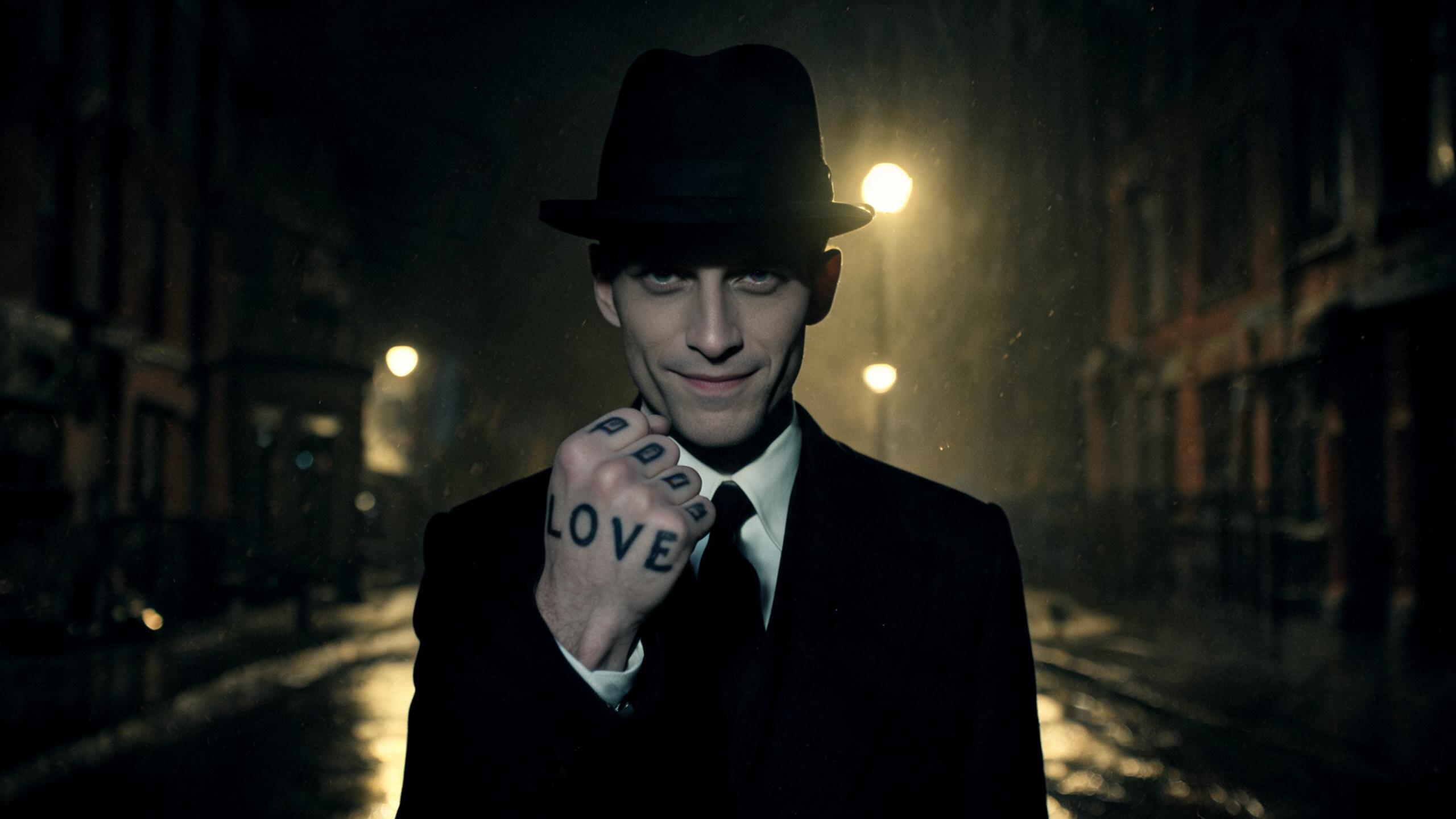
Night of the Hunter (1955) haunts the margins of horror and thriller genres. Charles Laughton’s only feature follows Harry Powell, played by Robert Mitchum, a charismatic preacher and serial killer who tattoos the words LOVE and HATE on his knuckles. Powell’s charm is the film’s weapon; his soft-spoken menace and sudden violence create an unpredictable atmosphere. The story is told largely from the point of view of children, which amplifies the moral stakes and the sense of vulnerability. Expressionistic cinematography and lullaby-like music turn everyday spaces into traps. The film’s fairy-tale quality, undercut by Powell’s predation, makes it uniquely disquieting. Rather than rely on gore, Night of the Hunter terrorizes through performance, imagery, and the fear of corrupted authority.
Across these four films there is a common thread. Each one limits what is shown and expands what is suggested. They use design, editing, and acting to let dread take hold inside the viewer’s imagination. Modern horror often foregrounds special effects and rapid cuts. The earlier works remain potent because they let silence, shadow, and a single committed performance do most of the work.
Watching these films now can be instructive for contemporary filmmakers and viewers. They remind us that horror can be sustained by mood and psychology. The absence of graphic detail does not equal the absence of intensity. In fact, restraint can be more frightening because it requires an active partnership between film and audience, one in which the viewer’s own mind finishes the scene.
These four titles are not the only pre-1960 films that unsettle, but they are prime examples of how different techniques can age well. Whether it is the slanted geometry of Caligari, the animal stillness of Count Orlok, the whispered implication of Cat People, or the predatory charisma of Harry Powell, each film uses its limitations to create a lasting sense of dread. For anyone curious about the mechanics of fear, they remain essential viewing.
In short, the scariest early horror films do not depend on modern tricks. They persist because they focus on the fundamentals of fear. The result is cinema that still has the power to disturb.






0 Comments