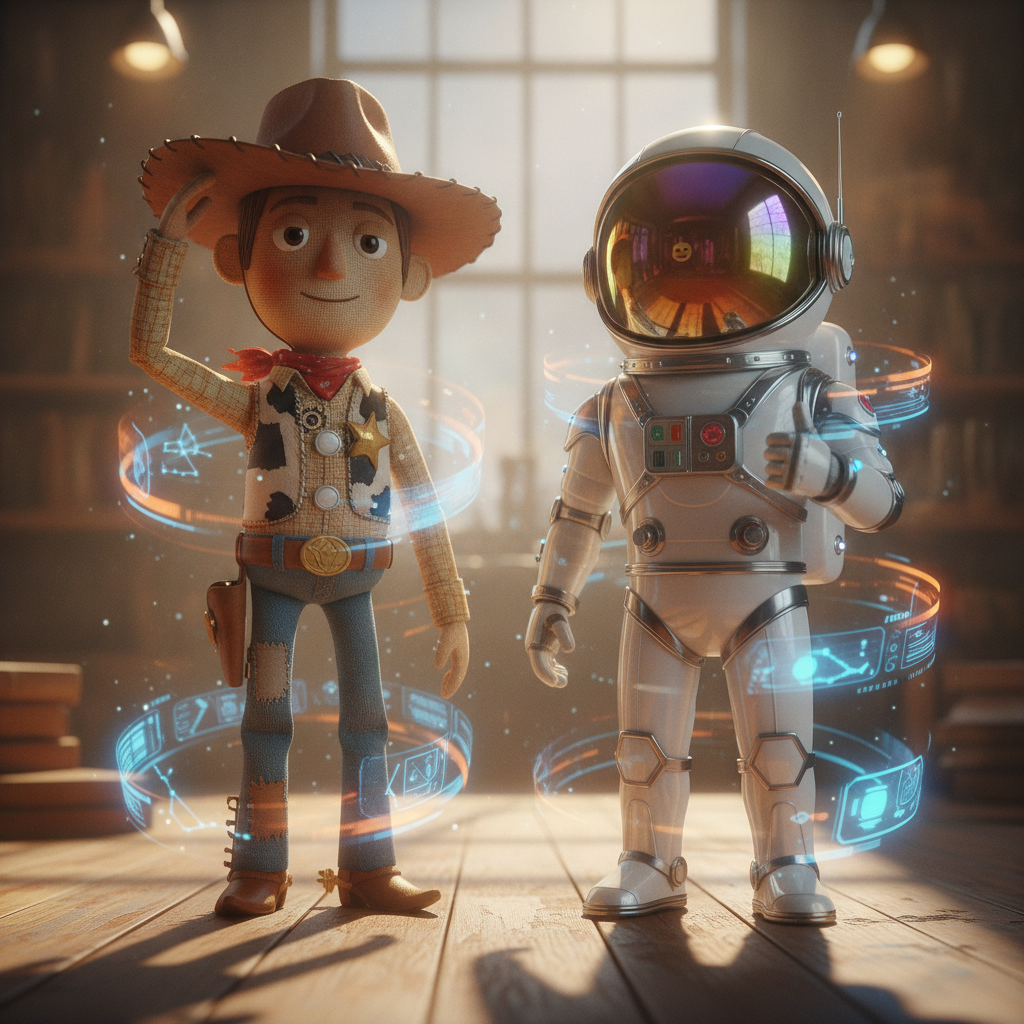
By now, any long-running franchise faces the same question: can a fifth entry still surprise, or is it destined to merely repeat what worked before? A recent critical take finds that this latest installment avoids the worst of franchise fatigue by doubling down on the two things that first won audiences over—character warmth and visual imagination—while using modern technical tools to make those elements feel fresh.
At its core, the film leans on the emotional shorthand the series has refined over decades. Rather than trying to reinvent the wheel, it revisits familiar relationships and gentle themes of belonging and purpose. The result is a story that feels like a reunion; there’s comfort in the patterns viewers recognize, and the filmmakers use that familiarity as a foundation rather than a crutch. The characters’ rhythms remain intact, which makes the emotional beats land with a quiet sincerity rather than an engineered tearjerker moment.
Where the new entry stakes its claim is in the technical domain. Advances in animation and rendering have given visual artists a wider palette for expression, and those upgrades are on display. Backgrounds, lighting, and subtle surface details receive a level of attention that rewards close viewing: reflections feel more tangible, fabrics hold realistic creases, and expressive micro-animations add nuance to reactions that used to rely on broader gestures. These refinements don’t overshadow the story; they enhance it, making moments of silence and small gestures feel lived-in.
The film also experiments with visual set-pieces that blend classic character-focused comedy with contemporary spectacle. Sequences that in earlier films might have been straightforwardly framed are now opportunities for technical showmanship—clever uses of depth, virtual camera movement, and layered effects create a sense of scale that wasn’t previously possible. Yet the spectacle rarely exists for spectacle’s sake. Instead, it’s tied to character motivation and emotional stakes, which helps preserve the franchise’s empathetic center even amid dazzling visuals.
Critically, the movie strikes a balance between novelty and restraint. It introduces new visual motifs and technological flourishes without abandoning the franchise’s trademark humor and heart. Some critics observe that the narrative choices are cautious rather than bold—the plot treads familiar territory and avoids radical departures. That conservatism will likely please long-time fans who want continuity and small evolutions rather than a full-scale reinvention. For viewers hoping the series would push into entirely new storytelling directions, this approach may feel safe; but for many, the comfort of a well-executed continuation is precisely the point.
One notable achievement is how the film uses technology to deepen character expression rather than merely to dazzle. Subtle eye movements, nuanced facial micro-expressions, and carefully timed physical reactions give the characters a new degree of emotional transparency. Those details make interpersonal beats more convincing and can elevate scenes that otherwise might rely on chatty exposition. In short, the upgrade in craft translates to an upgrade in emotional intelligence.
Pacing and tonal choices are also handled with care. The film alternates briskly between lighter, comedic interludes and quieter, reflective passages without feeling tonally inconsistent. This ebb and flow preserves the family-friendly spirit while still allowing space for quieter moments that reward viewers paying attention. The end result is a movie that’s easy to enjoy on a surface level for younger viewers, while offering textural depth for adults revisiting a beloved universe.
Of course, a film of this pedigree will face skepticism: is it necessary? Does it move the needle artistically? These are fair questions. The answer, as suggested by the review, is practical: it may not reinvent cinematic language, but it does what it sets out to do very well. It honors established characters and themes, embraces modern technical possibilities, and provides a satisfying, polished experience that feels respectful to its legacy.
For audiences worried about franchise dilution, the takeaway is optimistic. The film demonstrates that a long-running series can continue to feel alive by making careful, craft-focused choices rather than chasing novelty for its own sake. It’s a reminder that, sometimes, refinement and a clear emotional center are more effective than radical reinvention. Fans seeking a warm, visually impressive return to a beloved world will likely find a lot to enjoy; those looking for something wrenchingly new might feel the film is content to stay within the lines it’s always known.
Ultimately, this installment makes a persuasive case that the fifth time doesn’t have to be the last gasp of a story. With attentive pacing, heartfelt character work, and thoughtful use of modern animation techniques, it offers a polished continuation that’s both comforting and current. It won’t settle the debate about when franchises should end, but it does prove there’s still room for charm and craft when the priorities are clear.
0 Comments