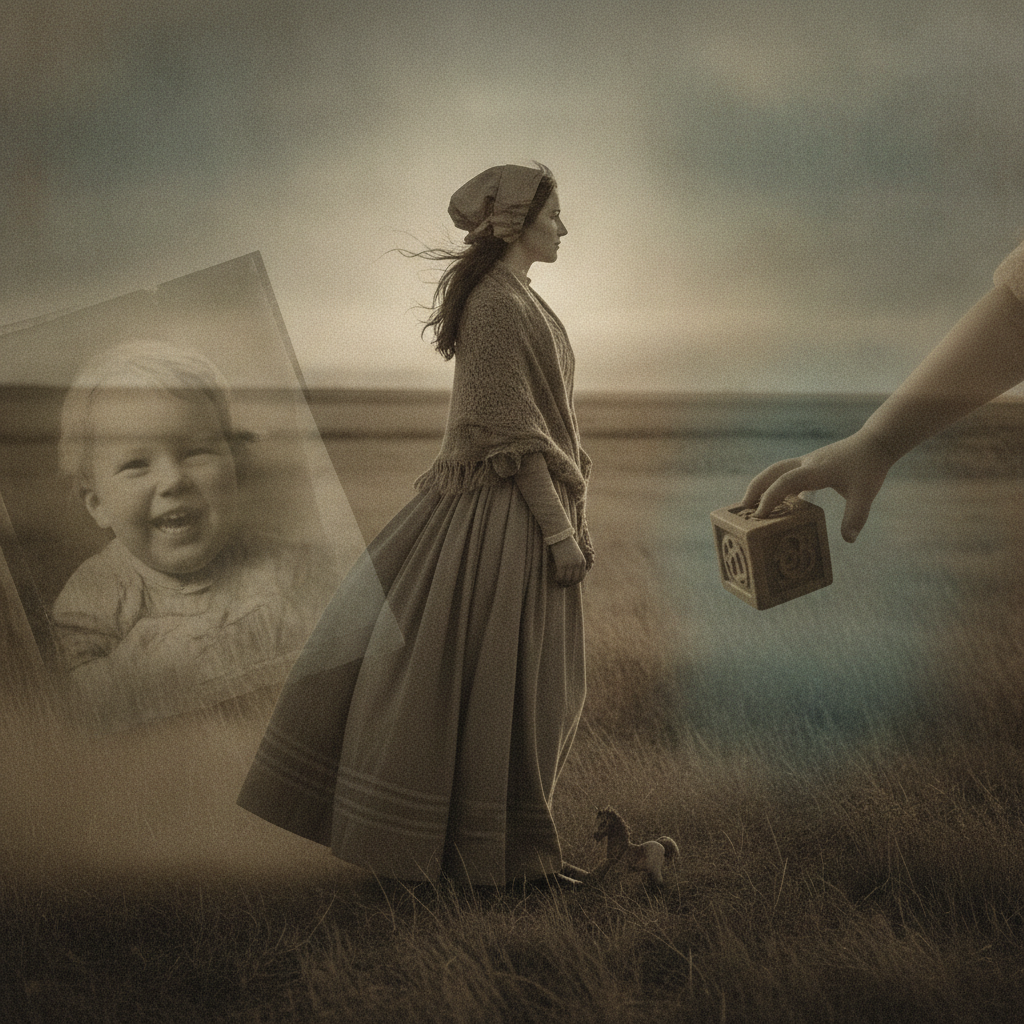
When a period series leans into surreal memory sequences, the result can be polarizing — or quietly powerful. In this case, the showrunner leaned into fever‑dream flashbacks to illuminate the emotional history of the Ingalls family, turning small moments of exposition into visceral, stake‑laden scenes that influence how viewers read every present‑day choice.
Rather than spelling out past events in tidy dialogue, the series layers fragmented images, distorted sound and rapid edits to simulate the way trauma and longing register in a mind shaped by hardship. Closeups on weathered hands, blurred children’s laughter echoing over scenes of empty rooms, and sudden shifts in color temperature all function as shorthand for loss and resilience. These sequences feel less like information dumps and more like invitations: they ask the audience to inhabit memory, not just observe it.
The effect is twofold. On a narrative level, the flashbacks supply context — why a character recoils from a particular routine, or why a family decision carries disproportionate weight. On an emotional level, the technique creates empathy by making the past sensory. Viewers aren’t simply told what happened to the Ingalls; they momentarily relive it alongside them, which raises the stakes of otherwise ordinary choices.
Technically, the approach relies on careful collaboration between writing, editing, cinematography and sound design. Nonlinear structure keeps revelations from arriving all at once, while a restrained palette and selective use of distortion avoid turning the sequences into melodrama. That balance is what makes the moments feel "compelling" rather than gimmicky: they enhance character motivation without derailing the episode’s present action.
There’s also a pacing benefit. By scattering these dreamlike interludes through episodes, the show turns background into foreground without halting momentum. Each flashback informs the next, creating a cumulative portrait rather than a single, burdensome origin scene.
In short: the decision to render backstory as sensory memory reframes exposition as emotional experience. It’s a stylistic gamble that, when measured and integrated into the episode rhythm, pays off by making the Ingalls family’s past feel immediate and consequential.



0 Comments