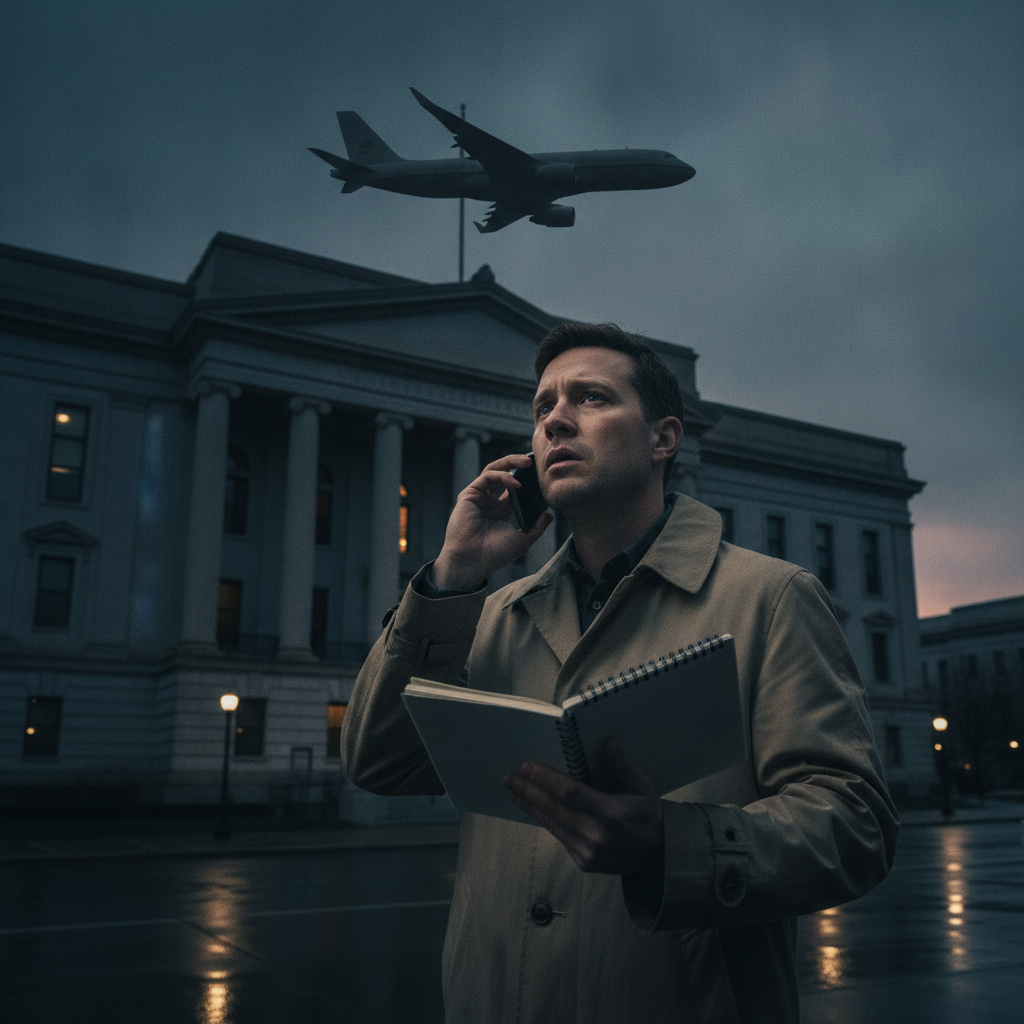
The Department of Justice has issued subpoenas to journalists at a major national newspaper after the outlet published reporting about plans for a new presidential aircraft. The subpoenas follow coverage that examined proposals and decision-making related to replacing or modifying the plane commonly referred to as Air Force One.
The legal step represents an uncommon confrontation between federal investigators and reporters. While departments of justice have, on occasion, sought information from members of the press in criminal investigations, subpoenas directed at journalists still prompt close scrutiny because of the competing public interests in law enforcement and newsgathering. The newspaper's reporting focused on procurement considerations and details surrounding the aircraft; officials have moved to obtain records and, in some cases, testimony connected to that reporting.
News organizations and legal observers are watching the situation closely. Media attorneys point to longstanding tensions between the need to protect confidential sources and the authority of prosecutors to compel evidence. The balance often turns on whether investigators can demonstrate a compelling need for materials that cannot be obtained by other means, and on internal guidelines that govern when and how the Justice Department seeks journalistic materials.
Beyond the legal questions, the subpoenas have practical implications for newsroom practices. Reporters and editors routinely rely on confidential sources to illuminate government decision-making; if reporters are subject to compelled disclosures in high-profile investigations, it could affect how sources engage with the press and how newsrooms handle sensitive information. At the same time, prosecutors argue that legitimate national-security or criminal inquiries sometimes require reaching beyond traditional investigative targets.
How the courts will weigh these competing interests remains to be seen. Any litigation over the subpoenas could produce decisions that clarify limits on compelled testimony and document production by journalists, or that reaffirm the authority of investigators under specific circumstances.
In sum, the subpoenas underscore an ongoing friction between investigative journalism and prosecutorial powers. The case is likely to prompt continued debate over safeguards for reporters, the scope of enforcement tools, and the public interest in transparency about government aircraft procurement and other matters of public concern.



0 Comments